GÖKBEY Safety Architecture: Twin Engines, One-Engine-Inoperative Ratings and Crashworthiness
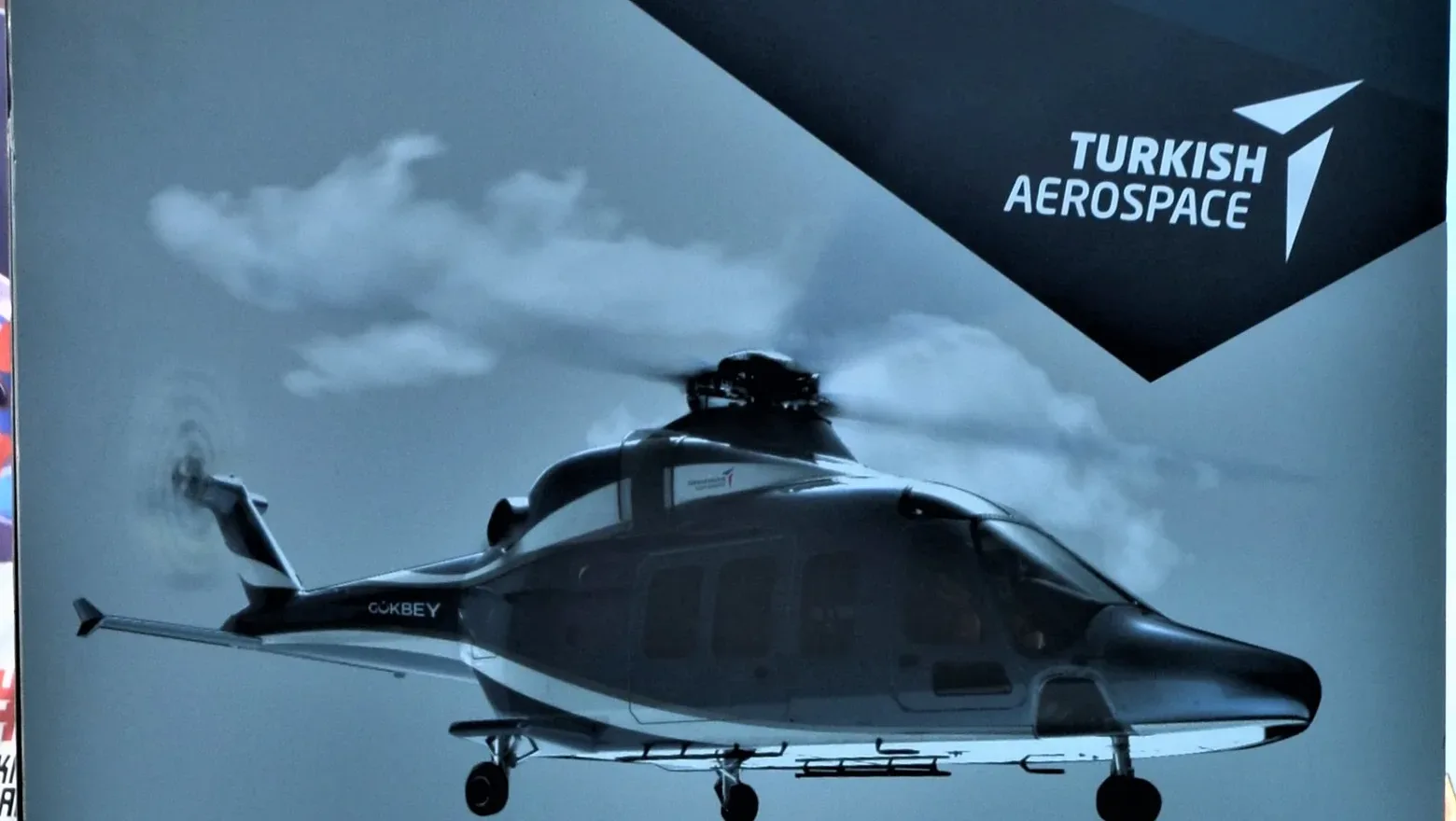
Helicopter safety is never a single component. It is a chain of design decisions that back one another up, and for the GÖKBEY (T625) the first link is a twin-engine power architecture, the second is the set of one-engine-inoperative (OEI) power ratings that becomes available when one engine drops out, and the third is a composite airframe shaped to absorb energy in a hard landing. TUSAŞ gives take-off power as 2×1,024 kW (2×1,373 shp) across the two engines.
Why a second engine is a structural safety decision
A single-engine utility helicopter is cheaper and lighter. The trade is unforgiving: an engine failure means an immediate autorotation to whatever surface lies below. A twin-engine layout changes the arithmetic — with one engine lost, the remaining engine can, for a limited period, deliver enough power to continue flight or reach a usable landing site.
For the mission set GÖKBEY was designed around, that is not an abstract preference. Over-water flight, night sorties, mountain search and rescue and air ambulance work all involve long stretches with no landing option underneath.
What OEI actually means
OEI — one engine inoperative — describes the condition in which one engine has failed or lost power and the remaining engine is permitted to exceed its continuous rating for a defined, short interval. Turboshaft engines are certified separately for each of these ratings, and the time spent at them is deducted from engine life.
The published OEI figures for the indigenous TEI-TS1400 are 1,740 shp for 30 seconds and 1,660 shp for two minutes. The two windows serve different purposes. The 30-second rating covers the sharpest moment — a failure during take-off or on final approach, where altitude and airspeed have to be bought immediately. The two-minute rating gives the crew time to assess the situation and commit to a landing site.
Payload under OEI conditions at given temperatures and altitudes, take-off decision speeds and Category A procedure data have not been released item by item for GÖKBEY. The OEI figures here are the engine manufacturer’s published ratings.
FADEC and the safety value of engine management
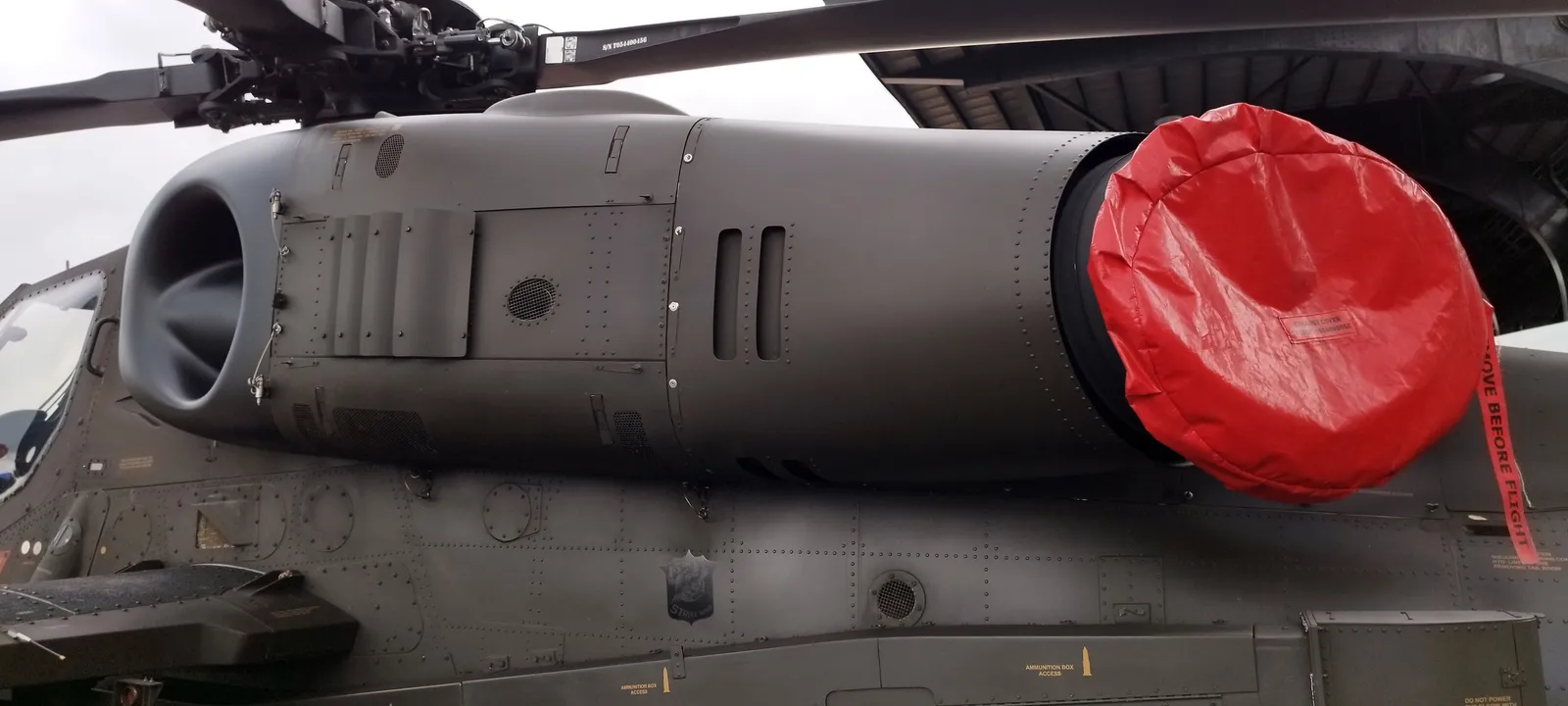
The TS1400 is governed by FADEC. The system continuously optimises fuel flow and engine parameters without pilot input, prevents the engine from exceeding its limits, and automatically raises the surviving engine’s output when the other fails.
From the cockpit, the effect is that engine management disappears exactly when workload peaks. In an engine failure the crew is dealing with flight decisions, not with throttle handling.
Crashworthiness: the job the airframe does
In modern rotorcraft design, crashworthiness is not about preventing an accident. It is about raising the probability that the occupants survive one. Civil certification rules define the subject through energy-absorbing substructure, stroking seats, landing gear that deforms rather than fails abruptly, and a fuel system designed to reduce post-impact fire risk.
GÖKBEY’s primary structure is largely composite. Beyond delivering equivalent strength at lower weight, a composite structure can absorb energy progressively rather than collapsing all at once when damaged. The damage-tolerant design of the rotor blades follows the same logic.
Autorotation: the final net
Even in a twin, the loss of both engines is not designed out of existence. In that case the main rotor keeps turning on the upward airflow through the disc, and the kinetic energy stored in it is traded at the bottom of the descent to arrest the rate of sink. The effectiveness of this manoeuvre — autorotation — is tied directly to rotor diameter and rotor inertia.
GÖKBEY’s main rotor is 13.20 metres in diameter, giving a comparatively generous disc area for its class. That geometry helps both hover efficiency and autorotation behaviour.
The avionics layer of safety
The glass cockpit and the 4-axis digital autopilot push safety past mechanical redundancy. Altitude hold, heading hold and hover modes reduce the risk of spatial disorientation at night, in poor visibility and over water. In search and rescue work, automatic approach modes make it possible to hold a stable reference over a moving sea.
The ASELSAN-sourced avionics suite consolidates navigation, communication and situational awareness into a single interface, which lowers pilot workload — a variable that shows up directly in rotorcraft accident statistics.
The safety architecture in the programme timeline
Reading the numbers properly
Safety figures mislead when they are separated from their test conditions. OEI ratings are defined at sea level in standard atmosphere; usable power falls as altitude and temperature rise. Crashworthiness, likewise, is engineered for a specific band of vertical impact velocities and guarantees nothing outside it. Differences between prototype and series configuration can also shift final values.
Frequently asked questions
Is the GÖKBEY twin-engined? Yes. It flies on two turboshaft engines; the series configuration uses the indigenous TEI-TS1400.
Can GÖKBEY keep flying on one engine? That is the purpose of the twin-engine layout. The TS1400’s published OEI ratings are 1,740 shp for 30 seconds and 1,660 shp for two minutes — power defined to reach a safe landing site on the remaining engine.
What does OEI stand for? One engine inoperative. It denotes the certified short-duration ratings at which the surviving engine may exceed its continuous power.
Is the airframe designed for crashworthiness? The primary structure is designed to absorb energy in a hard landing and is largely composite. Detailed certification values such as vertical impact velocity have not been published item by item.
Can GÖKBEY autorotate? Like any helicopter, it can descend in autorotation when engine power is lost. The 13.20 m main rotor gives a comparatively large disc area for the manoeuvre.