Pentagon’s New Autonomy Czar: Hegseth Consolidates Unmanned Systems Under One Roof

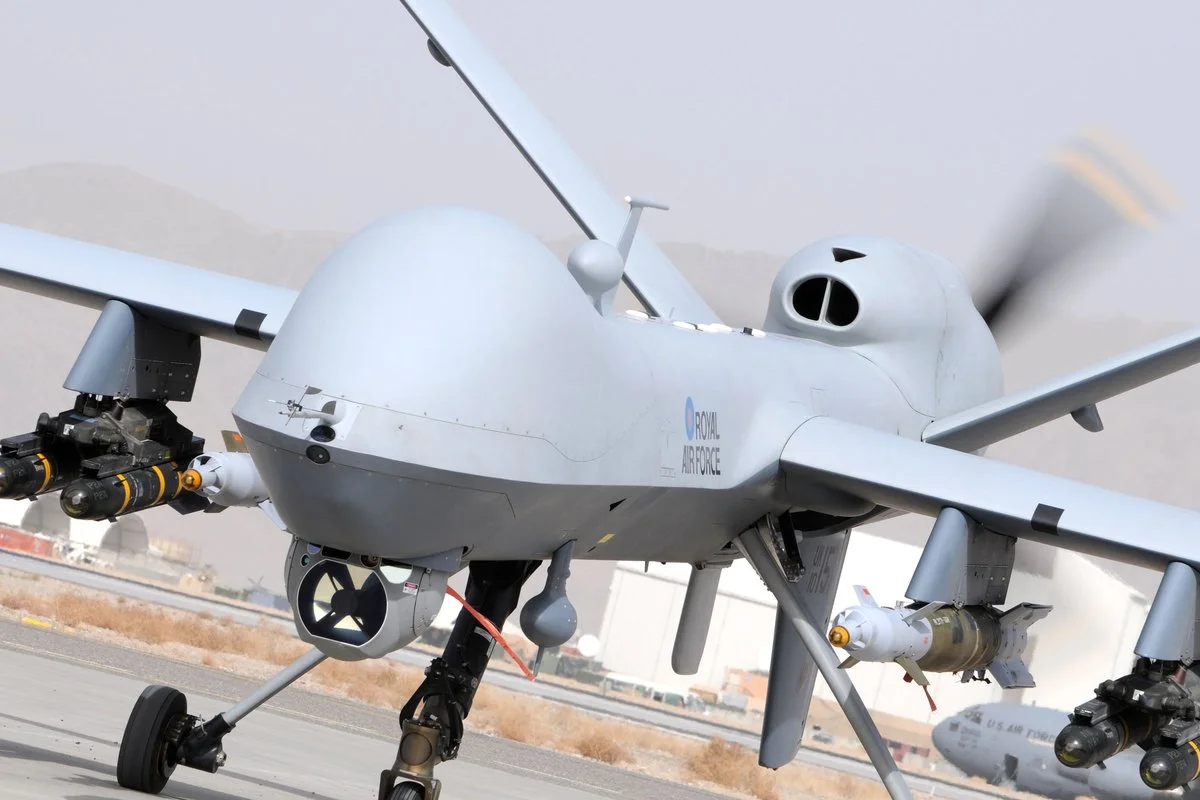
The Pentagon has created a new senior position to consolidate its sprawling unmanned systems programs under a single portfolio. Under a memo signed by Defense Secretary Pete Hegseth, nearly all ground, air and sea autonomous system programs will now report to one “autonomy czar.”
- What happened: Hegseth ordered the creation of a new centralized position overseeing unmanned systems.
- Who: Defense Secretary Pete Hegseth; the new role reports directly to Deputy Secretary of Defense Stephen Feinberg.
- When: The memo was signed on July 1, 2026.
- Why it matters: The U.S. is trying to cut through bureaucratic fragmentation as rival states produce millions of unmanned systems annually.
Consolidating a fragmented bureaucracy
Until now, Pentagon unmanned systems programs have been scattered across the services, with the Army, Navy and Air Force each running independent drone, ground robot and unmanned vessel projects on separate budget lines. The memo Hegseth signed on July 1 is meant to change that picture. The newly created Direct Reporting Portfolio Manager for Unmanned Systems (DRPM-UxS) position folds together all autonomous ground vehicles, the entirety of Group 1-3 unmanned aircraft systems — with the exception of large-scale platforms such as Collaborative Combat Aircraft — all unmanned surface vessels apart from the Medium Unmanned Surface Vessel class, and a portion of undersea systems, into a single portfolio. No one has yet been named to the role.
Hegseth’s stated rationale is blunt: “Rival states are producing millions of unmanned systems annually; as global military production has multiplied over the past three years, the U.S. has been slow to deliver capability at scale.” The line points both at China’s mass-production capacity and at the drone-saturated combat model that has emerged from the war in Ukraine.
The model is borrowed from Golden Dome
The DRPM structure is not new — it first appeared in July 2025, when Brig. Gen. Michael Guetlein was appointed to run the Golden Dome missile defense initiative. The autonomy czar effectively extends that model into unmanned systems. The new role will work directly with the Defense Autonomous Warfare Group (DAWG), the Joint Interagency Task Force 401 — previously focused solely on countering small UAS but now expanded to cover the full range of drone systems — and the Defense Innovation Unit (DIU), which handles industry outreach. The goal is to compress layered approval chains and get new capabilities fielded faster.
The practical upshot is that the services will no longer independently shape their own unmanned systems budgets; program prioritization and procurement decisions will now flow through a central portfolio manager. It underscores a question that has surfaced across defense bureaucracies worldwide — including Turkey’s — over whether fast-iterating, frequently updated unmanned systems can be managed through traditional multi-year procurement cycles, a race in which manufacturers like Baykar and TUSAŞ have moved ahead on sheer production tempo, and which Washington is now trying to close through organizational reform rather than output alone.
| Detail | Information |
|---|---|
| New role | Direct Reporting Portfolio Manager for Unmanned Systems (DRPM-UxS) |
| Signed | July 1, 2026 |
| Reports to | Deputy Secretary of Defense Stephen Feinberg |
| Ground scope | All autonomous ground vehicles |
| Air scope | All Group 1-3 UAS (excluding CCA) |
| Sea scope | All unmanned surface vessels (excluding Medium USV), partial undersea |
| Model | Extension of the Golden Dome DRPM structure |
| Appointee | Not yet announced |
Sources
- Breaking Defense, “EXCLUSIVE: Hegseth creates autonomy czar to manage almost all drone efforts”
- U.S. Department of Defense official statements