US Navy Awards Northrop Grumman $1.2 Billion for Three E-2D Advanced Hawkeye Aircraft


The US Navy has placed a fresh order with Northrop Grumman for three E-2D Advanced Hawkeye airborne early warning and control (AEW&C) aircraft, the platform often described as the eyes and ears of a carrier strike group. Announced on 22 July 2026, the deal is valued at up to $1.196 billion including support services.
According to Northrop Grumman’s statement and US defense reporting, the three aircraft will be delivered in the Block II configuration, with contract completion expected by December 2031. At award, the Navy obligated an initial $583.39 million from its fiscal 2026 aircraft procurement funds.
What the contract covers
The agreement bundles aircraft production together with associated engineering and logistics support. E-2D output has increasingly moved through multi-year block buys and incremental lots rather than one-off purchases, and this three-aircraft tranche is framed as part of the Navy’s effort to refresh and expand its Hawkeye fleet.
In May 2026 the Navy accepted its 70th E-2D from Northrop Grumman, a milestone underscoring the maturity of the program. The new lot is intended to serve both carrier-based squadrons and shore-based units.
Why the E-2D matters
The E-2D Advanced Hawkeye carries the APY-9 radar inside its distinctive rotating rotodome, allowing it to detect and track air and surface targets far beyond a task group’s own horizon. It is not a weapon in itself but a flying command center, passing tracks to ships and fighters through the Cooperative Engagement Capability (CEC) data network so the fleet can see threats far earlier.
The Block II standard is distinguished by advanced sensor fusion and aerial refueling capability. In-flight refueling extends the aircraft’s mission time, letting a strike group hold uninterrupted radar coverage for longer. The manufacturer says this markedly increases early-warning time against cruise missiles and low-altitude threats.
Operators and the export dimension
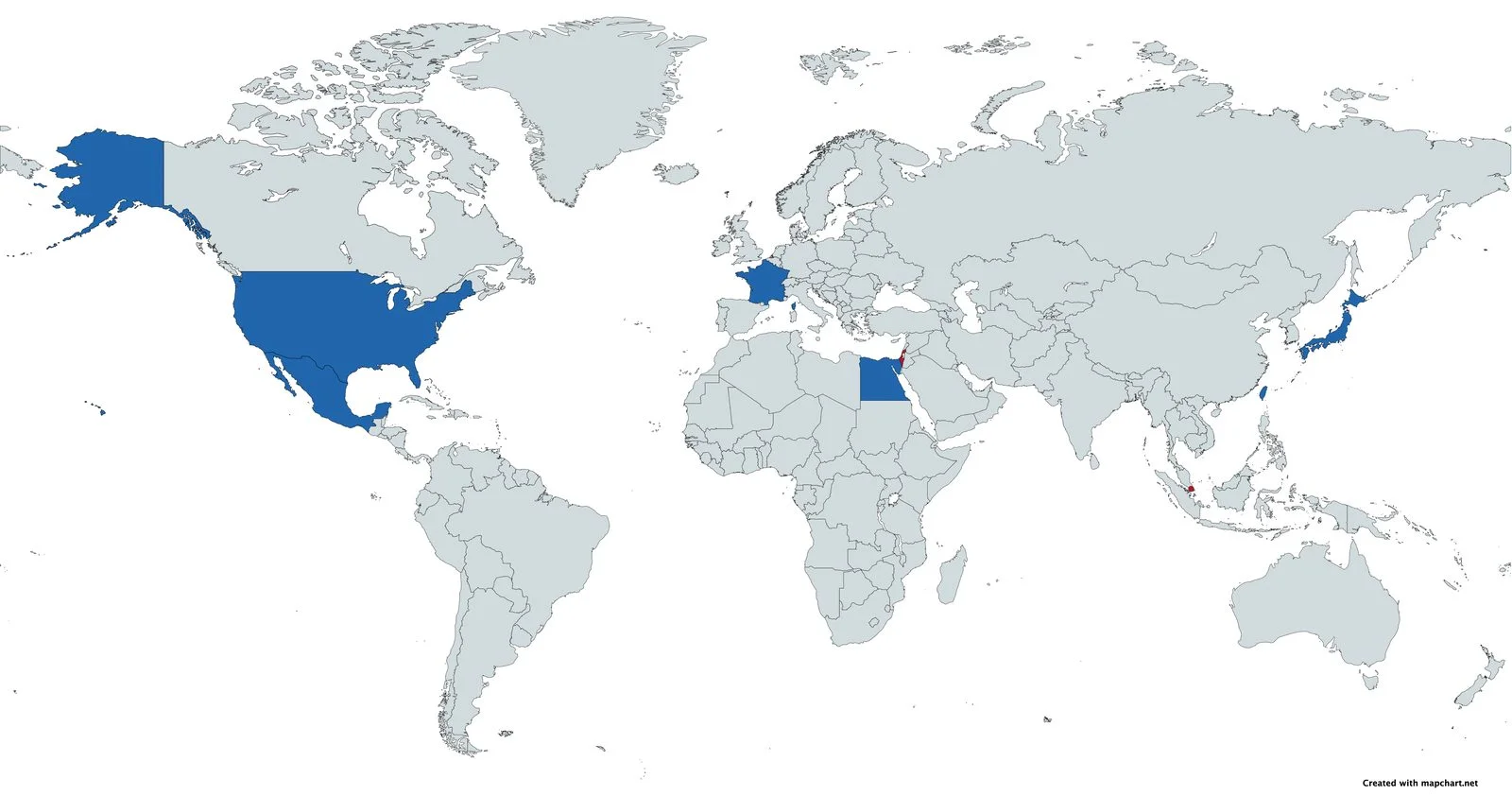
Beyond the United States, the E-2 family is operated by allies with carrier or strategic air-defense needs, including France and Japan. The French Navy flies the E-2 from its carrier Charles de Gaulle, while Japan is modernizing its land-based early-warning fleet with the E-2D. That broad user base reinforces the platform’s long-term sustainment and spares ecosystem.
The broader significance
Carrier-based early warning remains a decisive capability for large navies, and the Navy’s continued Hawkeye procurement signals that a sensor-network-centric approach to fleet air defense retains its weight. For nations fielding or seeking comparable capability, the deal highlights how the balance is shifting toward distributed, networked battle management rather than platform-by-platform defense.
Sources
- US Navy / Northrop Grumman official statement – 22 July 2026. Used for contract value, aircraft count, completion date and funding.
- ClearanceJobs – “Navy Awards Northrop Grumman $1.2B E-2D Hawkeye Block II Production Contract” – 22 July 2026. https://news.clearancejobs.com/2026/07/22/navy-awards-northrop-grumman-1-2b-e-2d-hawkeye-block-ii-production-contract/
- The Defense Post – “US Navy Accepts 70th E-2D Advanced Hawkeye” – 5 May 2026. Used for fleet maturity.