US Army Picks Five Firms for PrSM Increment 4, Aiming to Push Strike Range Past 1,000 km

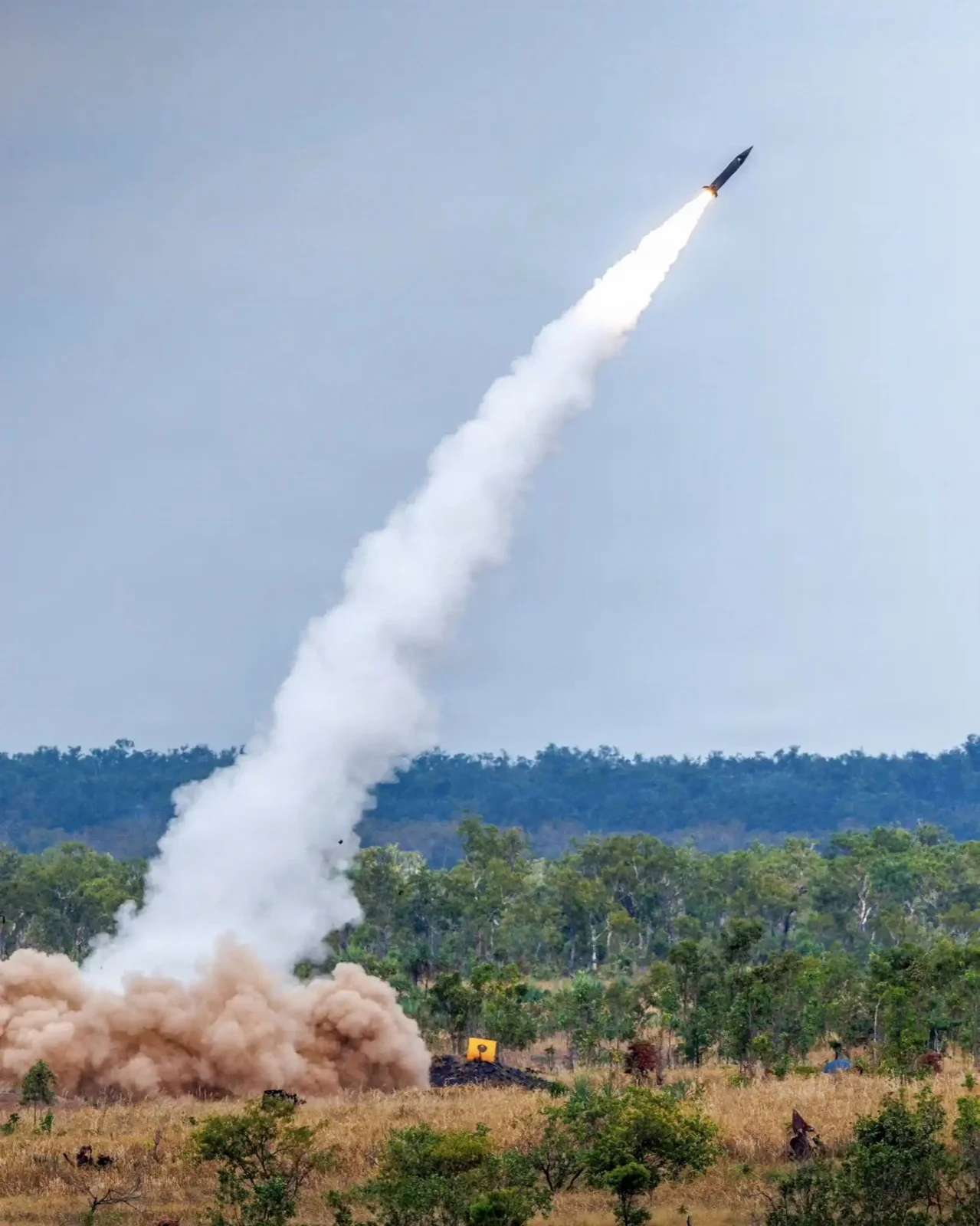
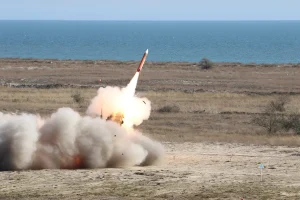
The U.S. Army has selected five companies — Anduril, Castelion, Lockheed Martin, RTX and Mach Industries — to build competing prototypes for Precision Strike Missile (PrSM) Increment 4, the service announced on September 30, 2026. The award opens a multi-vendor prototyping phase meant to roughly double the reach of the PrSM family already fielded with ground forces. Rather than committing to a single contractor at the outset, the Army is running five parallel design tracks before deciding which missile, or missiles, move toward production.
PrSM Increment 1, with a range in the 400-500 km band, is already in service with Army artillery units, giving commanders a modern replacement for the aging ATACMS missile. Increment 2 adds a maritime-strike seeker for moving naval targets, and that effort reached its own milestone just over a week earlier: on September 21, 2026, the Army awarded Lockheed Martin a roughly $1.2 billion production contract for Increment 2 after a second successful test against a maritime target. Increment 4 is a separate, later-stage effort and should not be conflated with that production deal.
The new Increment 4 prototypes are meant to reach 1,000 km (about 620 miles) or more, while retaining the ability to hit both fixed land targets and moving ships at sea — a dual-target requirement that sets it apart from the shorter-range PrSM variants already in the field. Crucially, the missiles are being designed to fire from launchers the Army already operates, the M142 HIMARS and the tracked M270 MLRS, avoiding the cost and schedule risk of fielding an entirely new launch platform alongside a new round.

The program is built around an open systems architecture, an approach the Army has leaned on increasingly across its modernization portfolio to avoid vendor lock-in. In practice, that should let the eventual missile, or missiles, share common launcher software and interfaces regardless of which company builds the round, giving the service room to mix vendors or switch suppliers over the program’s life rather than being tied to one proprietary design.
Under the schedule the Army laid out, the five competitors are due to fly their prototypes for the first time in fiscal year 2027, with a final round of fly-off testing in fiscal year 2028. A down-select decision determining which design or designs proceed toward a program of record is expected by fiscal year 2030, giving the Army roughly four years to compare performance data before committing to volume production.
The field of five competitors mixes established prime contractors with newer entrants that have pushed into Army missile work in recent years. Lockheed Martin and RTX bring decades of experience building guided munitions at scale, while Anduril, Castelion and Mach Industries represent a newer wave of defense-technology companies competing for programs once reserved almost exclusively for legacy primes. Running all five through parallel prototyping lets the Army compare approaches directly instead of betting the program on a single design from the start.
Strategically, PrSM Increment 4 fits into the Army’s broader push to extend the range of ground-launched precision fires, a priority shaped heavily by potential contingencies in the Indo-Pacific, where anti-access/area-denial defenses would force land-based fires to engage targets from greater standoff distances. The program also reinforces a rocket-artillery ecosystem shared with NATO and partner forces: HIMARS and M270 launchers are already fielded by countries including Poland and Romania, and Ukraine has used HIMARS extensively since the start of the war, meaning any future missile compatible with those launchers carries implications well beyond the U.S. Army’s own formations.
Sources
- Breaking Defense, “Army taps 5 companies for PrSM Inc 4 prototypes”, September 30, 2026, https://breakingdefense.com/2026/09/army-taps-5-companies-for-prsm-inc-4-prototypes/ — used for program details, contract context and the testing timeline.
- Defense News, “US Army selects five companies for PrSM development”, September 30, 2026, https://www.defensenews.com — used to confirm the five selected companies.