US Army Delays MV-75 Tiltrotor Delivery Past 2026 Amid Funding Setbacks

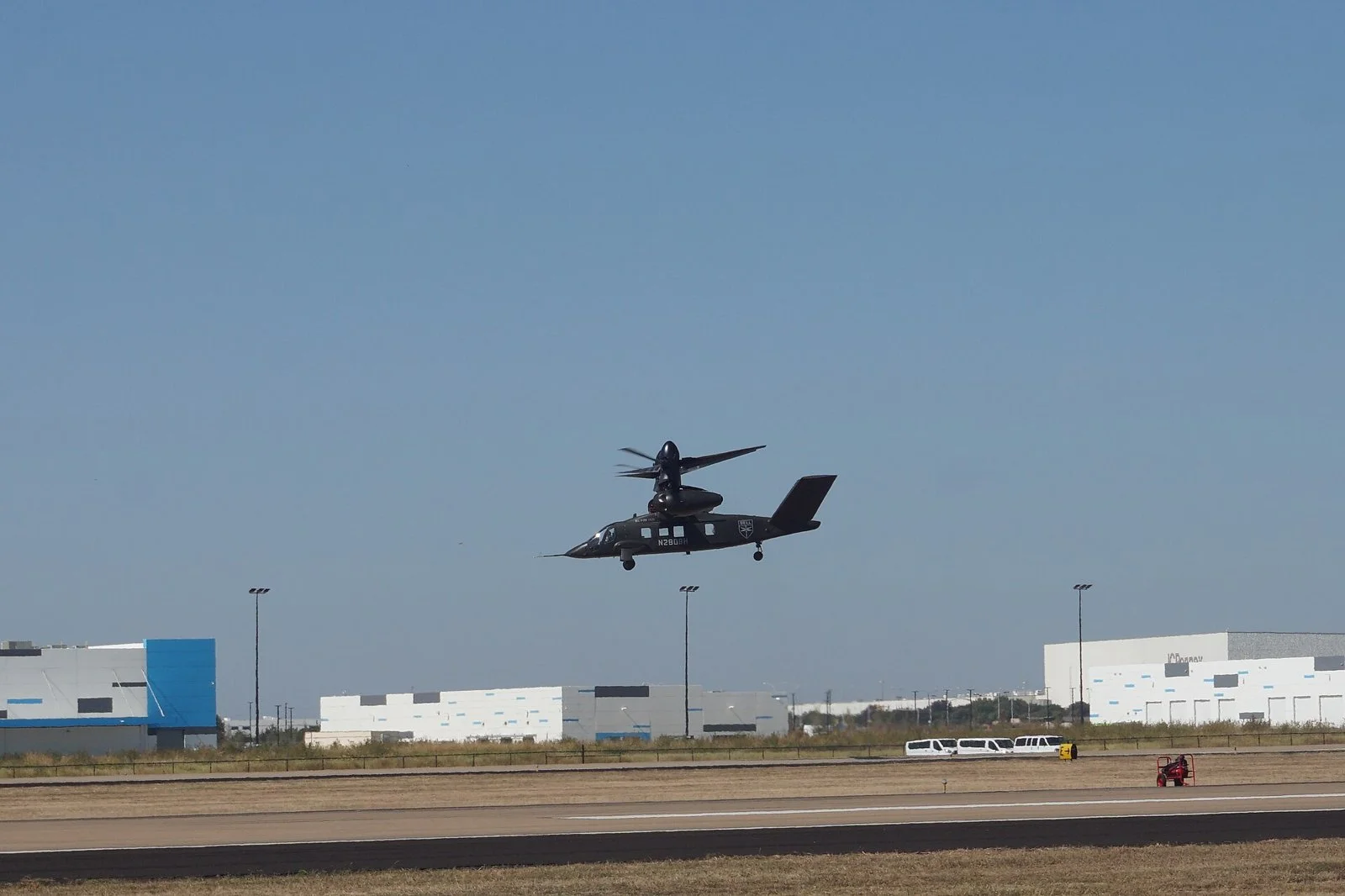
The U.S. Army has formally abandoned its goal of delivering the first MV-75 “Cheyenne II” tiltrotor for testing by the end of 2026. A spokesperson for the Army’s Acquisition, Logistics and Technology office (ASA(ALT)) told Breaking Defense on November 20 that “delivery of the MV-75 for testing will not occur by the end of 2026,” without offering a replacement date.
The slip traces back to money, not engineering. The Army burned through nearly all of its fiscal 2026 MV-75 funding by July, a shortfall that disrupted communication with prime contractor Bell, a Textron subsidiary. Contact resumed only on September 28, once reprogrammed funds arrived.
MV-75 is being developed under the Future Long-Range Assault Aircraft (FLRAA) program, positioned as the long-term successor to the Army’s UH-60 Black Hawk fleet. The program’s money troubles are not new: a stop-work order hit in July, and the Pentagon rushed through $200 million in reprogrammed funding just two days before the fiscal year closed. For fiscal 2027, the Army is requesting more than $2.1 billion for MV-75 development — contingent on Congress passing a budget on time.
The target date itself has already slipped once. Former Army Chief of Staff Gen. Randy George had pushed for delivery by the end of calendar year 2026. But in August, Maj. Gen. Clair Gill, the portfolio acquisition executive for maneuver aviation, said the first prototype delivery was now expected by the end of fiscal 2027 — a signal the schedule had already moved months before this latest confirmation.
Bell, for its part, has not fallen behind on production: the company says it has opened lines to build wings and other components for the first three MV-75 prototypes. The Government Accountability Office, meanwhile, has previously found that the Army ignored schedule risk in its plan to accelerate MV-75. A bipartisan group of lawmakers has urged senior leadership to keep funding flowing for the program.
The underlying technology isn’t the bottleneck. The Bell V-280 Valor demonstrator, which the MV-75 design is based on, has been flying and proving the tiltrotor architecture for years. The real variable is budget predictability and the recurring friction of Congress’s annual appropriations process, which has repeatedly interrupted the program’s cash flow.
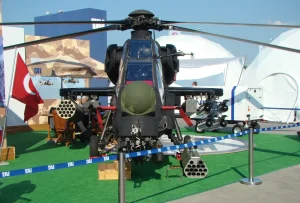
Türkiye has no tiltrotor program of its own; Turkish Aerospace’s rotorcraft lines, including the ATAK attack helicopter and the Gökbey utility helicopter, are built around conventional helicopter architecture. Even so, the FLRAA/MV-75 saga is worth watching as an indicator of how — and how expensively — tiltrotor technology will enter NATO inventories over the next decade. How quickly and at what cost the U.S. fields this capability could shape how allied forces think about future air-ground maneuver concepts.