Israel Adds $5 Billion to Defense Budget as Total Spending Reaches $55 Billion

Israel’s Joint Committee on the Defense Budget has approved a $5 billion addition (roughly 15 billion shekels) to the 2026 defense budget. The decision was made Tuesday, and Defense Minister Israel Katz welcomed it as a step that would strengthen the Israel Defense Forces’ capacity in the years ahead.
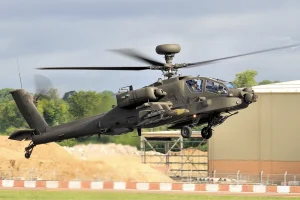
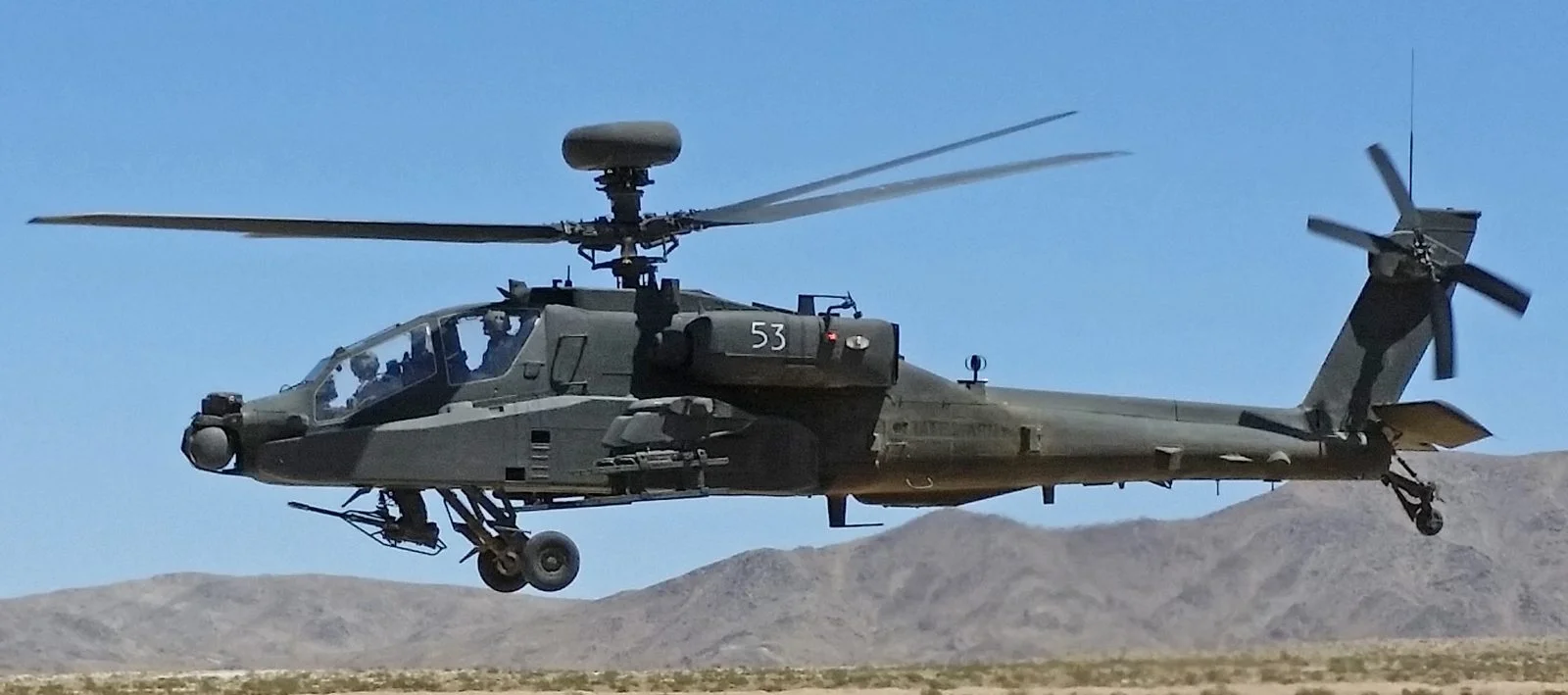
The increase pushes Israel’s total 2026 defense budget to roughly $55 billion, on top of the $45 billion figure approved as a record in March. Katz said the new funds would advance “blue-and-white” — domestically sourced — procurement in space systems, attack helicopters, air defense, and several classified programs, adding: “We will continue to act decisively to ensure Israel’s military superiority.”
According to Breaking Defense, this is only the latest in a string of supplemental additions made throughout 2026: roughly $300 million was transferred in August, and an Apache attack-helicopter deal was signed in October. Budget shortfalls are expected to persist into 2027, and officials say the new $5 billion only partly closes the gap.
Israeli outlet Ynet, reporting separately, fills in how the deal was reached: the Defense Ministry had actually requested 40 billion shekels, and a compromise brokered by the National Security Council and the Finance Ministry settled on roughly a third of that, 15 billion shekels. A remaining gap of about 25 billion shekels could be transferred in stages later in the year, depending on actual spending. Ynet traces the shortfall to operations in Iran and Lebanon running far longer than planned and to reserve mobilization that peaked above 100,000 troops at once — more than triple what the original plan assumed.
The budget strain is also visible in Israel’s relationship with its own state-owned defense contractors. Israel Aerospace Industries and Rafael Advanced Defense Systems are reportedly owed billions of shekels by the government, and IAI has publicly pressed for the debt to be settled. The prospect of reduced U.S. military aid, though its timing remains unclear, is cited as an additional source of pressure on future budgets.
Political uncertainty compounds the fiscal picture. Israel’s October 27 elections left the government unformed, with the opposition now holding a majority in the new Knesset — a dynamic that could complicate the 2027 budget negotiations still to come.
For Türkiye, the story carries no direct procurement implications — there is no contract or partnership link between the two countries here. It is, however, a useful comparative data point: both regional defense-industrial hubs have leaned hard into expanding domestically sourced procurement in recent years. Türkiye’s own defense and aerospace exports grew 48% in 2025, while Israel is pushing to raise its “blue-and-white” sourcing share, particularly in air defense and drones. Katz’s specific mention of air defense funding also tracks with Israel’s layered missile-defense architecture — Iron Dome, David’s Sling and the Arrow family — a conceptual parallel, though not an operational one, to the SİPER-Hisar-Gürz layers Türkiye is building with entirely separate systems and supply chains.