





What Is the TUALCOM Radar Altimeter? An FPGA-Based Sensor Rated to Mach 1.5

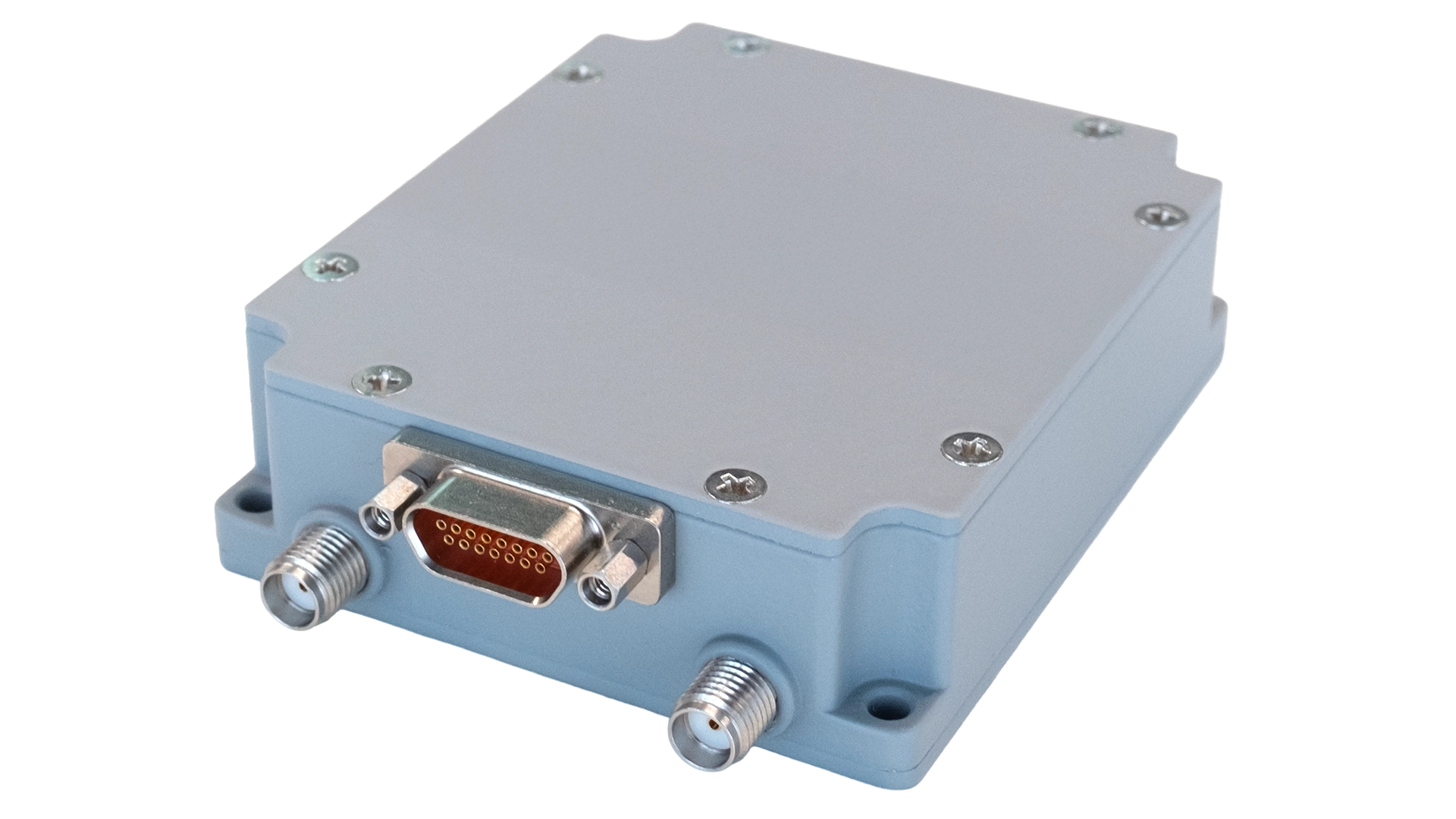
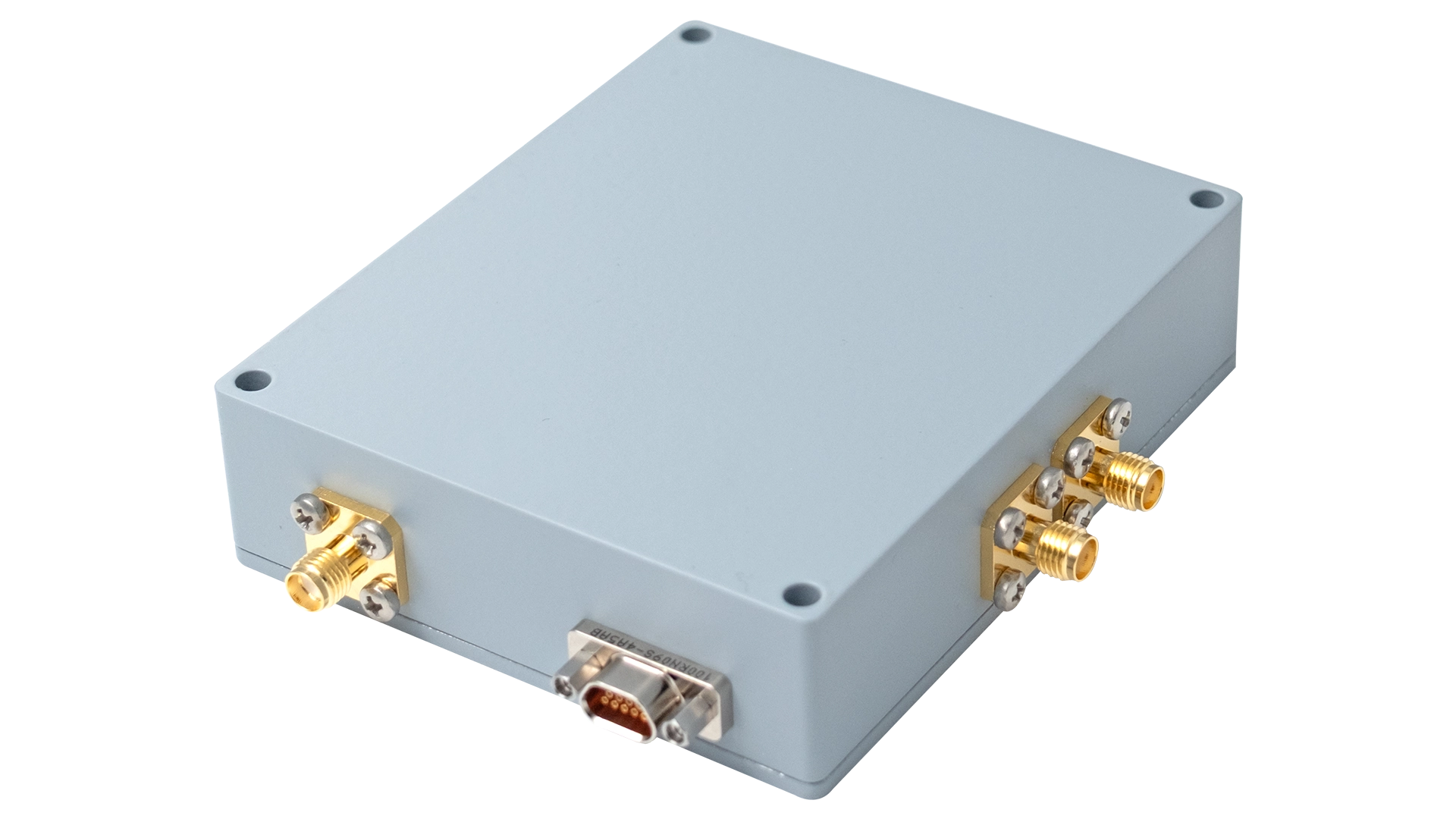
The TUALCOM Radar Altimeter is an FPGA-based, lightweight and ultra-compact height-above-ground measurement system developed by Turkish defense electronics company TUALCOM. Usable on unmanned aircraft, helicopters, airplanes and missiles, the system — according to the company’s official literature — delivers precise altitude measurement even on ultra-high-speed platforms flying at up to Mach 1.5, thanks to advanced digital signal processing (DSP) techniques.
What a radar altimeter is, and why it matters
A radar altimeter is a sensor that sends a radio wave at the surface directly below the platform and measures true height (AGL, above ground level) from the echo’s return time. Unlike a barometric altimeter, it reads height relative to the terrain itself, not to sea level. That data plays a vital role in three missions:
- Low-altitude flight: letting terrain-following UAVs and missiles fly a low profile without striking the ground
- Autonomous takeoff and landing: giving UAVs the precise altitude data needed for automatic landing
- Munition fuzing logic: triggering mission steps at a set altitude
Because GPS-derived height becomes unreliable under jamming, an independently operating radar altimeter also matters in operations conducted under jamming.
Characteristics of the TUALCOM Radar Altimeter
According to the company’s official product page and the SSB 2026 Product Catalogue:
| Feature | Value |
|---|---|
| Architecture | Modular FPGA-based design, advanced DSP techniques |
| Form factor | Lightweight, ultra-compact; low SWaP |
| Speed envelope | Precise measurement on platforms up to Mach 1.5 |
| Platforms | UAVs, helicopters, aircraft, missiles |
| Cost positioning | Described by the company as “low-cost, high-performance” |
| Numerical range/accuracy figures | Not officially disclosed |
The Mach 1.5 speed envelope shows the product is designed not only for UAVs but also for supersonic missile applications; echo processing at high speed is the hardest part of altimeter design and demands high computation rates.
Counterparts in Turkey and worldwide
In Turkey, the radar altimeter field includes the solutions Meteksan Defence has developed alongside its MİLSAR family and ASELSAN’s avionic sensor portfolio. In the global market, Honeywell (US), Collins Aerospace (US) and Thales (France) are the established manufacturers of civil and military radar altimeters. TUALCOM differentiates itself by targeting a missile-class speed envelope and mini-UAV-class SWaP values in the same product, and by offering an option within a domestic supply chain that is free of US ITAR components subject to export licensing.

Frequently asked questions
What is the TUALCOM Radar Altimeter?
An FPGA-based, lightweight and compact height-above-ground measurement system for UAVs, helicopters, aircraft and missiles.
Up to what speeds does it work?
Per company data, it delivers precise measurement on platforms flying at up to Mach 1.5.
How does a radar altimeter differ from a barometric altimeter?
A radar altimeter gives true height above the terrain; a barometric altimeter gives pressure altitude relative to sea level.
What are the range and accuracy figures?
Not officially disclosed.
Who uses it?
The company does not share a user list.
What are its foreign counterparts?
The military radar altimeter families of Honeywell, Collins Aerospace and Thales.
Sources and verification note
- TUALCOM official radar altimeter product page — architecture, speed envelope and platform information
- SSB 2026 Product Catalogue — product description and the Mach 1.5 figure
Range, accuracy and user information is not publicly disclosed by the manufacturer and is therefore absent from this article.