Trump Orders Navy Back to Steam Catapults on Future Ford-Class Carriers

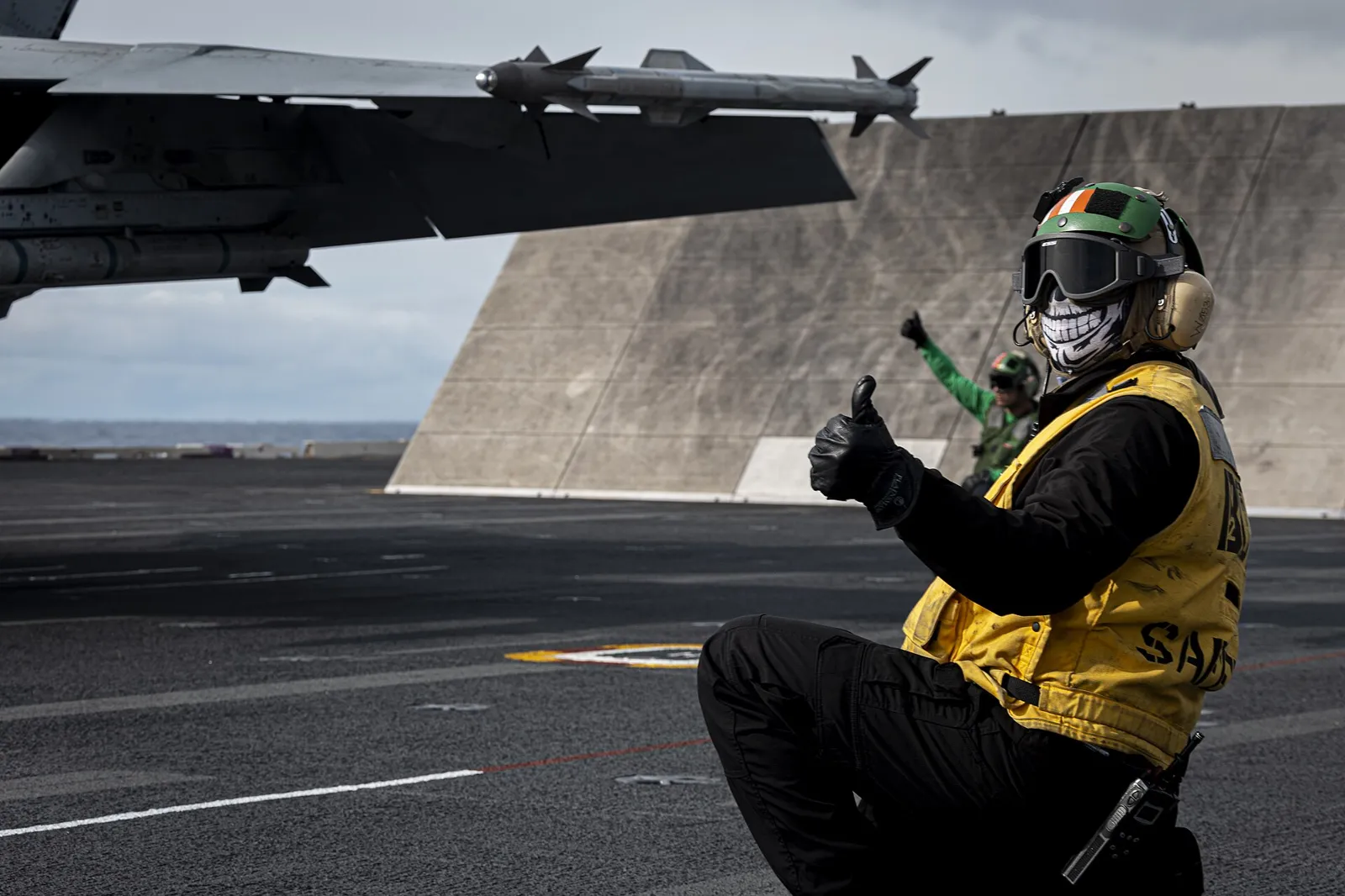
President Trump has directed the US Navy to abandon EMALS in favor of steam catapults on Ford-class carriers built after USS Doris Miller.
President Donald Trump has directed the US Navy to scrap the electromagnetic launch system EMALS and the Advanced Weapons Elevators on future Ford-class aircraft carriers, ordering a return to conventional steam catapults and hydraulic systems. The directive, issued in an executive order in August 2026, has drawn heavy attention across the defense press.
The order draws a clear line: the in-service USS Gerald R. Ford and the carriers currently under construction, USS John F. Kennedy and USS Enterprise, will keep EMALS as originally designed. The change applies starting with the next hull, USS Doris Miller (CVN-81), which is currently under construction, and every Ford-class carrier built after it.
Trump’s skepticism toward EMALS dates back to his first term, when he repeatedly described the system as needlessly complex, costly and prone to maintenance headaches. Steam catapults powered the Navy’s carrier fleet for decades aboard Nimitz-class ships with a well-established track record, while EMALS, introduced with Gerald R. Ford, offered electrically driven, more finely tunable launches with a promise of lower long-term upkeep.
The engineering challenge is significant. CVN-81’s internal layout was designed around EMALS specifically to eliminate steam piping, boiler capacity and related launch hardware that the Ford class was built to remove. Reintroducing steam infrastructure now means re-engineering large sections of the ship, a shift that could pressure both cost and schedule. CVN-81 is currently projected to enter service around 2034, and how much the redesign will affect that timeline remains unclear.
Opinion within the defense community is split. Some analysts argue EMALS has matured well past its early teething problems and that reverting to steam represents a step back roughly a decade in capability. Others, including some Navy officials and procurement specialists, contend steam remains simpler, better proven, and less exposed to the kind of electronic failures that plagued EMALS in its early years at sea.
The same order also calls for establishing a fifth public shipyard, part of a broader push to expand US naval construction capacity, though details on that component remain limited for now.
The decision marks a notable reversal in the Navy’s carrier launch technology roadmap, and debate over its cost, schedule and performance implications is expected to continue as CVN-81 construction proceeds.
The broader history of the Ford-class program adds context to the dispute. From the outset, the class was built around fielding EMALS and the Advanced Weapons Elevators simultaneously, an ambitious approach that has since become closely associated with schedule slippage and cost growth across the program. Rolling back one pillar of that architecture now introduces a fresh variable into an already delicate engineering balance, raising the stakes for coordination between contractors and the Navy.
The operational implications of reverting to steam are also being weighed. Supporters point out that steam infrastructure is backed by decades of accumulated fleet experience, with training and maintenance crews already well versed in it. Critics counter that EMALS offers finer control over launch force across a wide range of aircraft, from lighter jets to heavier unmanned systems, and that reverting to steam could limit flexibility for future aircraft types. With that trade-off still unresolved in CVN-81’s design process, the issue is expected to draw further scrutiny from congressional defense committees in the months ahead.
Sources
- Breaking Defense, August 2026
- The Hill, August 2026
- Navy Lookout, August 2026
- Army Recognition, August 2026