Sierra Leone’s Military Power: Which Armoured Vehicles, Helicopters and Patrol Boats Are in the Inventory? (2026)

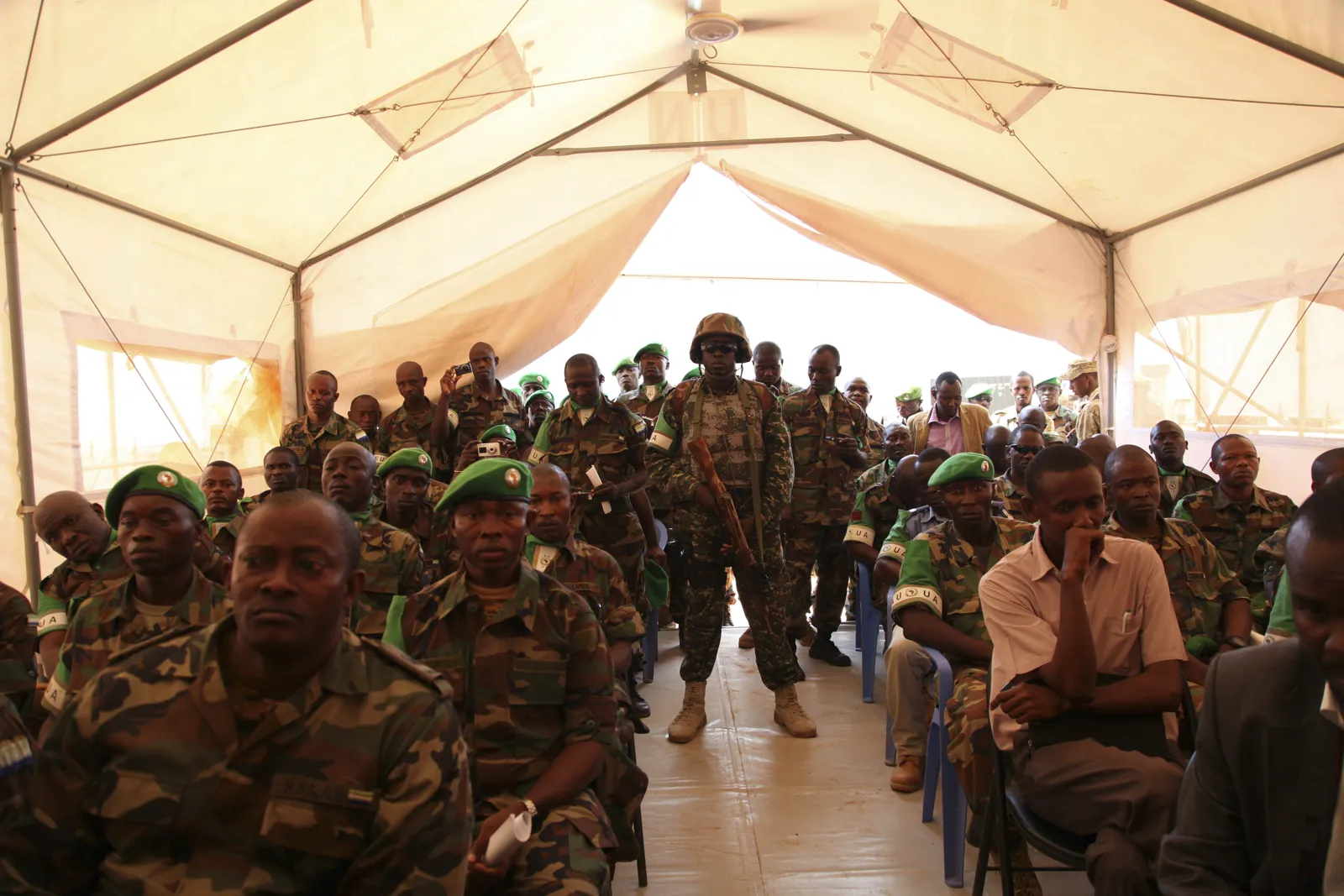
Sierra Leone’s military inventory reflects a small army shaped by the legacy of the 1991-2002 civil war and by a long-running British security sector reform effort. Today the Republic of Sierra Leone Armed Forces (RSLAF) concentrate on peace support, border security and internal stability rather than heavy weapons; much of their equipment is second-hand or donated.
At a Glance
- Active personnel: About 8,500-13,000 active personnel (estimates vary by source), overwhelmingly in the Army, with very small naval and air components
- Tanks: Effectively none; the operational status of two T-72s ordered from Ukraine in 1994 is unknown
- Armoured vehicles: At least ten ex-Slovak OT-64 and three Casspir armoured personnel carriers (approximate)
- Military aircraft: No combat aircraft; the air component lists a single Mi-17 helicopter reported as not operable (approximate)
- Navy: About 500 personnel; a Chinese-built 26.7-metre patrol boat, four South Korean-built speedboats and two rigid inflatable boats delivered by the EU in June 2026
- Defence budget: No single current, reliable figure; independent estimates are in the tens of millions of dollars, and the force depends heavily on foreign assistance
Note: The inventory figures below are approximate values drawn from open sources such as Global Firepower, the IISS Military Balance and SIPRI.
About the Sierra Leone Armed Forces
The Republic of Sierra Leone Armed Forces grew out of the Sierra Leone battalion of the Royal West African Frontier Force after independence in 1961. The Navy was created in 1979 and the Air Wing in 1995; all branches were merged under one command in 2002. Lieutenant General Amara Idara Bangura was appointed Chief of Defence Staff on 19 November 2024. Personnel numbers range from about 8,500 to 13,000 depending on the source, with the large majority in the Army.
There is no single current, reliable defence budget figure; independent estimates are in the tens of millions of dollars. Pay is low, and fuel, maintenance and barracks investment are chronically underfunded. The inventory therefore rests less on the budget than on donor support and the British training team.
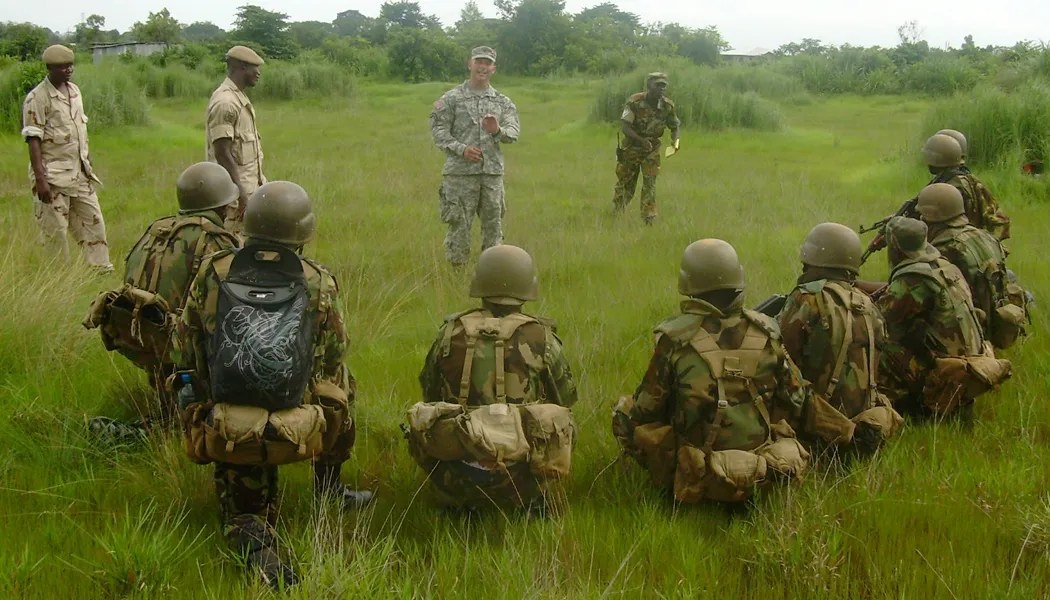
The land inventory is light and ageing. Two T-72 tanks ordered from Ukraine in 1994 were delivered via Poland in 1995 and briefly maintained by Executive Outcomes, but their current status is unknown. The armoured fleet consists of at least ten ex-Slovak OT-64 and three South African-built Casspir vehicles. Fire support is limited to about 31 mortars and Carl Gustav recoilless rifles, and special forces use the British L85 rifle.
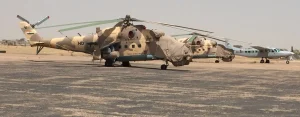
The air component is effectively without capability. Starting in 1973 with two Saab MFI-15 trainers donated by Sweden, it is today listed with a single Mi-17 helicopter reported as not operable. Older listings mention a Mi-24, a Bo 105C and AS 355s, but their currency is unconfirmed; no new aircraft acquisition was reported in 2024-2026.
The missile and air-defence layer is almost non-existent. Air defence consists of three anti-aircraft guns, and anti-armour capability is limited to Carl Gustav and RPG-7. No guided anti-tank, anti-ship or surface-to-air missile system is documented in open sources.
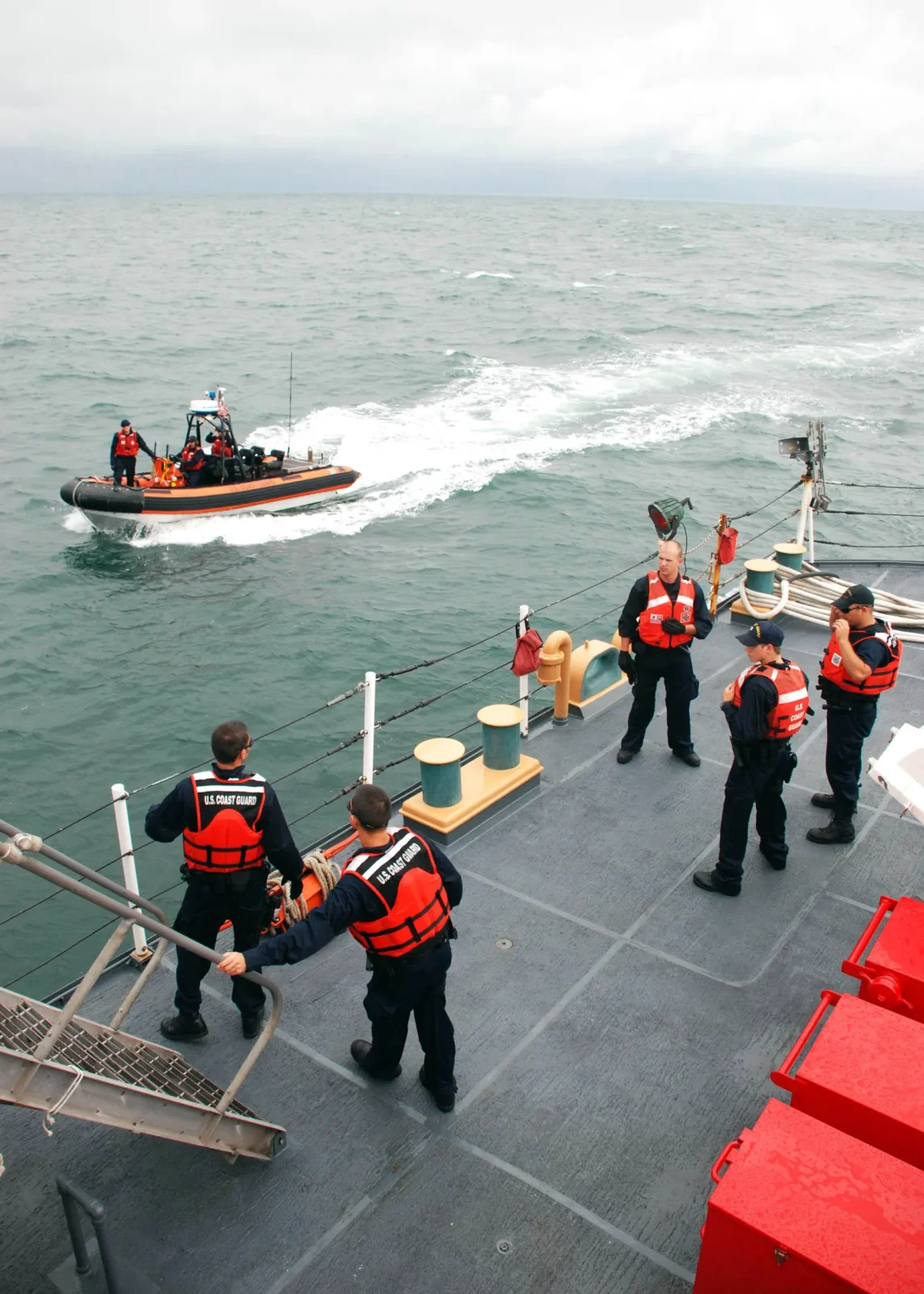
The navy, with about 500 personnel, tries to monitor illegal fishing and piracy in the country’s exclusive economic zone. A 26.7-metre patrol boat with a 14.5 mm weapon donated by China in 2023, four South Korean-built speedboats commissioned in October 2020 and two rigid inflatable patrol boats handed over by the European Union on 23 June 2026 form the current core of the fleet. The service status of the Type-62 fast attack craft and Pompoli-class landing ships found in older listings is uncertain.
Land Forces Inventory
| System type | Est. quantity |
|---|---|
| Tanks | T-72 (two): ordered from Ukraine in 1994 and delivered via Poland in 1995; briefly maintained by Executive Outcomes, current status unknown |
| Armoured personnel carriers | OT-64 (at least ten, ex-Slovak stock) and Casspir (three, South African-built mine-protected vehicles) (approximate) |
| Mortars and recoilless weapons | About 31 mortars and Carl Gustav recoilless rifles (IISS 2020 listing); battalion-level fire support is limited to these |
| Small arms | Heckler & Koch G3, FN FAL, AK-47, RPD and RPG-7; special forces use the British L85 rifle |
| Ground-based air defence | Only three air-defence guns (IISS 2020); no missile battery is documented |
Air Force Inventory
| Platform | Est. quantity |
|---|---|
| Combat aircraft | None; the air component, which began in 1973 with two Saab MFI-15 trainers donated by Sweden, is today almost entirely without capability |
| Helicopters | One Mil Mi-17 (Russian-built transport/utility) listed as not operable. Older listings also mention a Mi-24, a Bo 105C and AS 355s, but their currency is unconfirmed |
| Transport and training | No confirmed fixed-wing transport or trainer aircraft in service; pilot training and air transport depend largely on foreign partners |
| UAVs and radar | No armed UAV or air-surveillance radar has been documented in the inventory in open sources |
Missile and Air-Defence Systems
| System | Type / Note |
|---|---|
| Anti-ship missiles | None; naval armament is limited to machine guns and light cannon (a 14.5 mm weapon on the Chinese-built boat) |
| Air defence | No missile-based air defence; only three air-defence guns |
| Anti-tank weapons | Carl Gustav recoilless rifles and RPG-7s; no guided anti-tank missiles are documented |
Naval Power
| Class / Type | Est. quantity |
|---|---|
| Patrol boats | A 26.7-metre patrol boat donated by China (14.5 mm weapon, 2023) and four South Korean-built speedboats commissioned in October 2020 |
| EU-donated boats | Two rigid inflatable patrol boats handed over on 23 June 2026 at Navy headquarters in Freetown, for territorial-water and maritime-border patrols |
| Older fast attack and landing craft | Seven Type-62 fast attack craft delivered between 1973 and 2006 and three Pompoli-class landing ships from Japan (1980) appear in listings; their service status is uncertain |
| Base | Navy headquarters at White Man’s Bay in Freetown, with about 500 personnel and British-trained officers |
The Turkey Angle: Turkish Defence Industry
The defence relationship between Türkiye and Sierra Leone has taken an institutional shape in recent years. Sierra Leone’s Parliament ratified a defence industry cooperation agreement on 11 November 2021, and the first Defence Industry Cooperation Meeting was held on 1 April 2022. The Military Framework Agreement that was signed was ratified by Parliament on 26 March 2024.
In July 2025 Deputy Defence Minister Muana Brima Massaquoi visited Türkiye for the IDEF fair and signed a new financial aid agreement covering defence and medical needs, with technology transfer, capacity building and medical equipment for the 34 Military Hospital among the headline items. Wikipedia lists Türkiye among Sierra Leone’s foreign suppliers.
That said, open sources do not currently document any major Turkish-made platform in Sierra Leone’s inventory; this is a framework-and-training stage, not a delivered procurement contract. The country’s needs do overlap with proven Turkish products: light and mine-protected armoured vehicles, patrol boats for maritime surveillance, tactical UAVs and training services. The Bayraktar TB2 experience in Mali, Burkina Faso and Niger and the Turkish armoured-vehicle presence in Côte d’Ivoire serve as regional precedents that make Sierra Leone’s options concrete.
Frequently Asked Questions
How many tanks does Sierra Leone have? Sources mention two T-72 tanks, ordered from Ukraine in 1994 and delivered in 1995. Their current operational status is unknown, so effective tank strength is close to nil.
Does Sierra Leone have fighter jets? No. The Air Wing has no combat aircraft; the inventory lists only a single Mi-17 helicopter reported as not operable.
How many soldiers does Sierra Leone have? Roughly 8,500 to 13,000 active personnel depending on the source. Most are in the Army, and the navy has about 500.
What ships does the Sierra Leone navy have? The main units are a 26.7-metre patrol boat donated by China, four South Korean-built speedboats and two rigid inflatable boats delivered by the EU in June 2026. There are no major warships or anti-ship missiles.
Is there defence cooperation between Türkiye and Sierra Leone? Yes, at framework level: a 2021 defence industry agreement, the first meeting in 2022, a Military Framework Agreement ratified in 2024 and a financial aid agreement signed at IDEF in July 2025. No major Turkish-made platform is documented in the inventory.
Bottom Line
The Sierra Leone inventory shows a post-conflict, heavy-weapon-poor army that depends on outside support. Its strengths are peacekeeping experience and British and US training; its weaknesses are gaps in air power, air defence and naval capability. For Türkiye this is not a market claim but a potential field where framework agreements could turn into products: UAVs, patrol boats, light armoured vehicles and training are the country’s evident needs.