Rheinmetall Buys Croatia’s Unmanned Ground Vehicle Maker DOK-ING

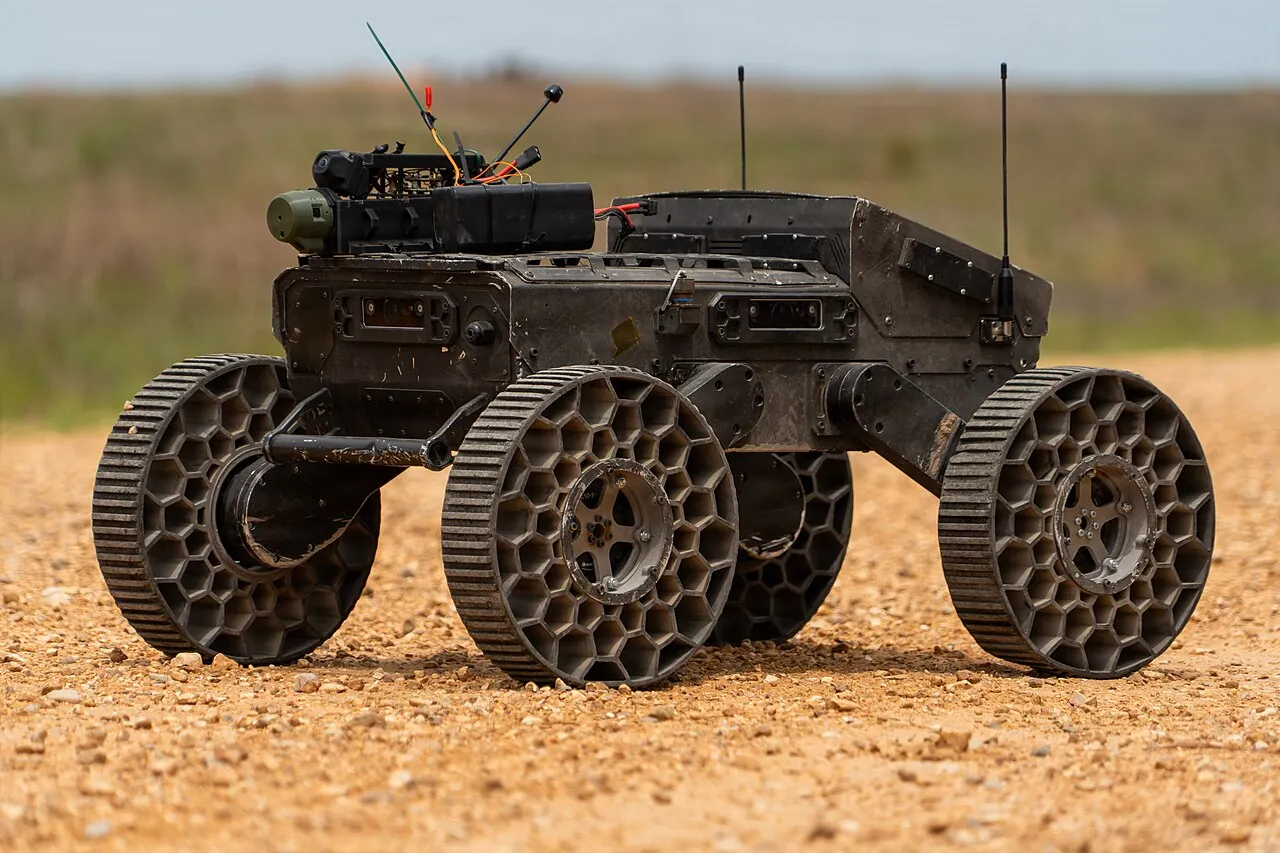
A new consolidation has taken place in Europe’s unmanned ground systems field. According to Rheinmetall, the company acquired a 51 percent stake in Croatia-based DOK-ING; founder and previous sole owner Vjekoslav Majetić retains 49 percent. The purchase price was not disclosed.
With the deal signed in March 2026 and closed on 1 July after all required regulatory approvals, DOK-ING takes the name ‘Rheinmetall Unmanned Vehicles d.o.o.’. The partnership’s goal is to develop unmanned combat support solutions, particularly for mine clearing and mine laying.
DOK-ING and the Framework of the Deal
DOK-ING is a Croatia-based maker known for unmanned ground vehicles and especially mine-clearance robots. Since its founding it has delivered around 500 platforms to more than 40 countries; its mine-clearance solutions have proven effective in the field, particularly in Ukraine. The company is one of Europe’s experienced players in this area.
Rheinmetall’s acquisition reflects a consolidation trend in Europe’s unmanned ground systems field. Germany’s largest land systems maker aims to add DOK-ING’s mine-clearance know-how to its broad portfolio and step up in unmanned and autonomous systems. The war in Ukraine has markedly raised demand for such systems.
Komodo and ‘Wingman’: The Systems in Focus
Two systems sit at the center of the partnership. The first is DOK-ING’s newly developed Komodo: a modular heavy-duty hybrid platform able to carry a payload of more than 8.5 tonnes. Aimed at tasks such as mine clearing and laying, this vehicle forms the backbone of unmanned combat support.
The second system is the unmanned armed support vehicle known as ‘Wingman’. It is being developed for reconnaissance and fire support, to be used together with main battle tanks and infantry fighting vehicles. In other words, the unmanned ground vehicle is becoming an element that, like the ‘loyal wingman’ in the air, serves alongside crewed vehicles on the ground.
| Item | Detail |
|---|---|
| Buyer | Rheinmetall (Germany) |
| Target | DOK-ING (Croatia) |
| Stake | 51% |
| New name | Rheinmetall Unmanned Vehicles d.o.o. |
| Closed | 1 July 2026 |
| Main system | Komodo (8.5+ tonne payload) |
| Second system | Wingman (unmanned armed support) |
| Use | Mine clearing/laying, recon, fire support |
Why Do Unmanned Ground Vehicles Matter?
Unmanned ground vehicles (UGVs) hold the promise of carrying out the battlefield’s most dangerous tasks without human risk. In missions such as mine clearing, reconnaissance, logistics and fire support, they multiply capability while keeping personnel away from danger. The war in Ukraine has concretely shown both the mine threat and the need for such vehicles.
A consolidation is under way in Europe in this field. Large defense companies are absorbing specialized unmanned-systems makers to gain both technology and production capacity. The Rheinmetall-DOK-ING combination is the latest example of this trend; the aim is to become Europe’s leading player in unmanned ground systems.
For Türkiye: Indigenous Unmanned Ground Vehicles
The unmanned ground vehicle is one of the areas where Türkiye is rapidly advancing. HAVELSAN’s BARKAN is an indigenous UGV designed for missions from reconnaissance to fire support, standing out with its ability to operate in swarms. MKE’s ALPAY is an unmanned, electric mine-clearance vehicle, a direct Turkish counterpart to the area DOK-ING specializes in.
The Rheinmetall-DOK-ING combination shows how strategic mine clearing and unmanned combat support have become. Türkiye is also developing indigenous systems in this segment, both to meet its operational need and to gain export capability. ASELSAN, HAVELSAN, MKE and various firms are working on unmanned ground vehicles across different weight classes.
The ‘loyal wingman’ concept on land, just as in the air, is part of the future combat doctrine. Türkiye has the potential to carry the know-how it built in unmanned aircraft over to the ground; platforms such as BARKAN and ALPAY are the first steps on this path. The DOK-ING case shows that the consolidation in Europe opens both a competitive challenge and a window of opportunity for Turkish makers.
Frequently Asked Questions
How much of DOK-ING did Rheinmetall buy?
What does DOK-ING make?
What are Komodo and Wingman?
Does Türkiye have an equivalent?
Conclusion
Rheinmetall buying DOK-ING shows the consolidation in Europe’s unmanned ground systems field and the rising strategic importance of mine clearing and unmanned combat support. Türkiye is advancing in the same area with indigenous platforms such as BARKAN and ALPAY; its potential to carry its unmanned superiority in the air over to the ground makes the country ambitious in this segment too.