Pakistan Deploys 8,000 Troops, JF-17s and HQ-9 to Saudi Arabia: New Pressure on Turkish Air-Defence Exports


Pakistan has deployed roughly 8,000 troops, JF-17 Thunder fighters, the Chinese-built HQ-9 long-range air-defence system and two unmanned aerial vehicle squadrons to Saudi Arabia. The package, in country since early April 2026, is meant to harden Riyadh’s air-and-missile shield at a moment of escalating US-Iran tension.
What is on the ground
According to Army Recognition and Reuters, the force package includes:
- ~8,000 personnel: primarily air-defence operators, fighter ground crew and UAV support teams.
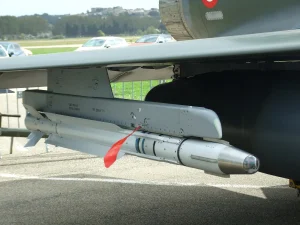
- One JF-17 Thunder squadron (~16 aircraft): the Pakistan-China co-produced multirole fighter, configured for medium-range air-to-air and air-to-ground missions.
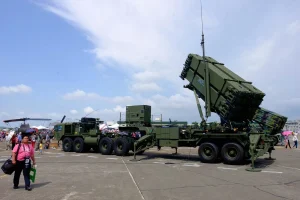
- HQ-9 air-defence system: the Chinese S-300 derivative, range up to ~200 km, operated by Pakistani crews.
- Two UAV squadrons: for ISR and operational support.
Open-source reporting indicates that a bilateral mutual defence treaty signed in September 2025 allows for the deployment of up to 80,000 Pakistani troops during a major regional crisis, and contemplates naval deployments in the Red Sea and Persian Gulf.
Regional read
Two features make this move notable. First, Islamabad simultaneously plays mediator between Washington and Tehran while putting a combat-capable package on Saudi soil — a balancing act with real political cost.
Second, HQ-9’s deployment in Saudi Arabia is a tangible export-credibility win for China’s air-defence portfolio. The system was already fielded by Pakistan, Turkmenistan, Uzbekistan and Algeria; Saudi territory adds a high-profile new node.
The Turkish angle
Three threads run directly into Türkiye’s defence industrial interests:
- Air-defence competition: ASELSAN-Roketsan’s SİPER long-range SAM sits in the same threat segment as HQ-9. With Saudi Arabia considered a prospective customer for Turkish HİSAR/SİPER families, the visible HQ-9 footprint raises the competitive bar.
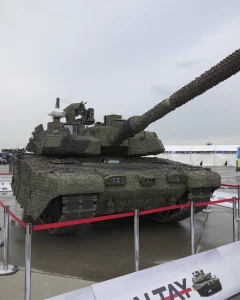
- Fighter market: JF-17 Thunder targets the same mid-segment market as Türkiye’s HÜRJET light combat jet and the KAAN 5th-generation platform. Operational experience accumulated in the Gulf becomes a sales reference for follow-on export campaigns.
- Türkiye-Saudi defence ties: Baykar AKINCI and Bayraktar TB2 entries into the Saudi inventory, Roketsan KARAOK and TRG-122 sales, and Aselsan EW conversations are ongoing. Pakistan’s Chinese-systems supply channel will pressure Turkish firms to recalibrate the “NATO-interoperable + cost-effective” pitch.
Sources
- Army Recognition, “Pakistan Boosts Saudi Arabia Air Defense With HQ-9 Missiles and JF-17 Fighter Jets”, 19 May 2026
- Reuters / Bloomberg, Pakistan-Saudi Arabia troop deployment report, 18 May 2026
- Middle East Eye, “Pakistan deployed 8,000 troops, a Chinese air defence system and warplanes to Saudi Arabia”
- Open-source technical references: HQ-9, JF-17 Thunder product documentation