Reis-class (Type 214TN) vs Scorpène: Full Technical Comparison of Two Export AIP Submarines
Summary Not Found.
Two of the Western world’s most successful conventional submarine designs go head to head: Türkiye’s Reis-class, a Type 214TN built under license with deep local content, and the Franco-Spanish Scorpène, a proven export champion in service across four navies. Both are air-independent boats, but they reflect different industrial philosophies and procurement track records.
The Reis-class fields eight 533 mm tubes, two more than the Scorpène, giving it a larger ready-to-fire salvo and reload flexibility. It deploys heavyweight torpedoes such as the DM2A4 and Mk 48 Mod 6, the Sub-Harpoon anti-ship missile and mines, with the indigenous AKYA heavyweight torpedo and submarine-launched ATMACA missile planned for later boats. That growth path toward fully national weapons is a strategic strength NATO buyers increasingly value.
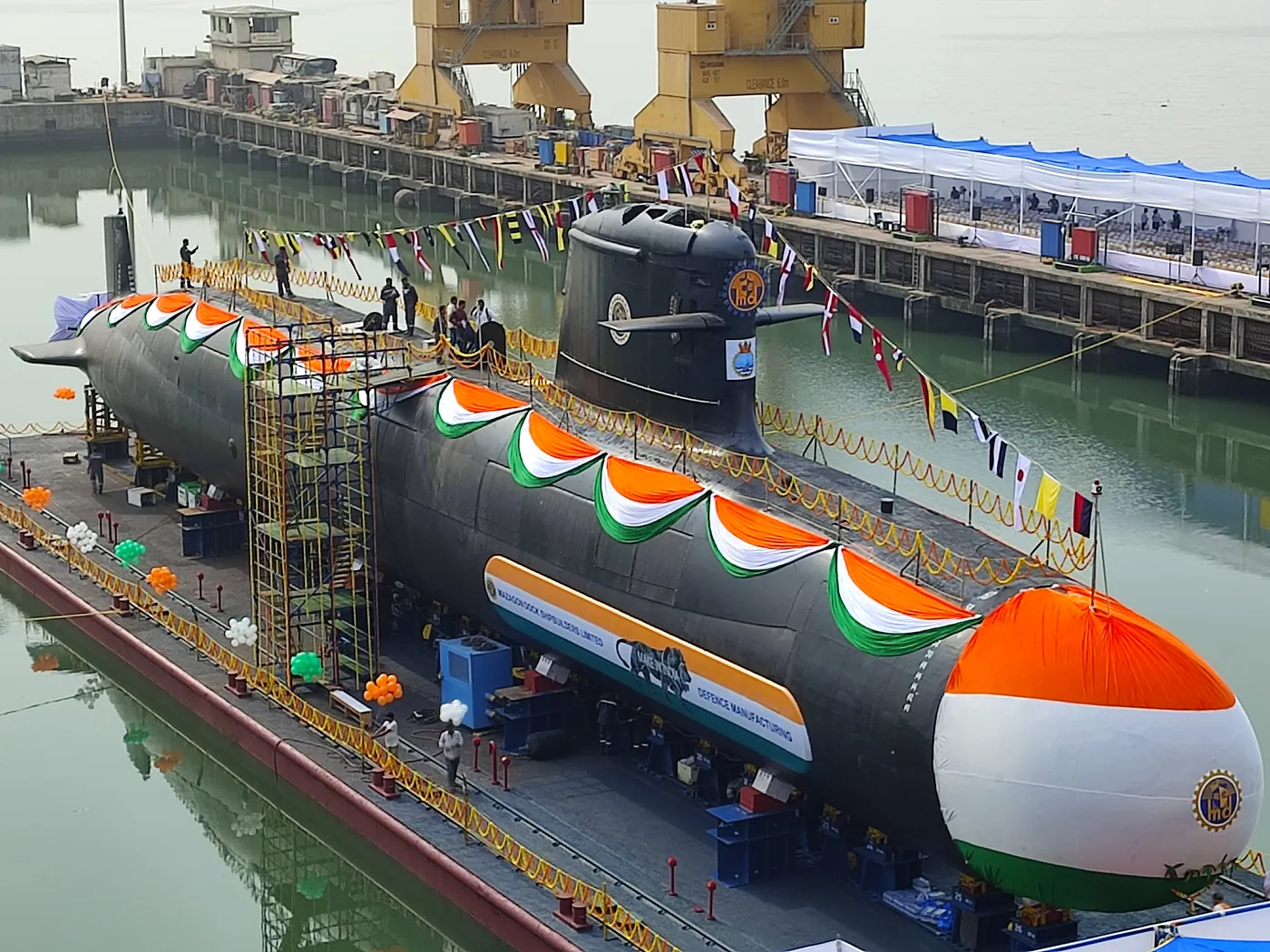
The Scorpène carries six 533 mm bow tubes firing the Black Shark torpedo family and, critically, the SM.39 Exocet anti-ship missile launched from the tube. With up to eighteen reloads it sustains a heavy magazine, and the combat-proven Exocet integration gives it a credible long-range surface-strike punch out of the box. The two boats are closely matched on firepower; Reis leads on tube count, Scorpène on the maturity of its weapon integration.
Sensors and Combat System
As a Type 214 derivative, the Reis-class benefits from a modern German-origin sensor suite combined with Turkish subsystems, including bow, flank and towed-array sonars and a contemporary combat management system. The Type 214 lineage is one of the most advanced conventional designs in NATO service, and the TN variant’s local integration of ASELSAN electronics keeps the platform current and supportable without third-party dependency.
The Scorpène pairs a mature S-Cube/SUBTICS-class combat system with a well-balanced sonar fit refined across multiple export programs. Its strength is integration maturity: the sensor-to-weapon chain has been validated in four navies over nearly two decades. Both boats are technologically excellent; the Reis edges ahead on raw newness and digital architecture, while the Scorpène wins on proven, fleet-validated integration.
Survivability and Stealth
Both designs are built around acoustic quieting and AIP-enabled covert endurance. The Reis-class uses PEM hydrogen fuel cells delivering up to three weeks submerged without snorkeling, which is among the longest air-independent endurance figures for a Western non-nuclear boat in this size class, and its anechoic treatment and quiet propulsion make it a difficult target in the littoral.
The Scorpène’s MESMA AIP plant offers around three weeks of submerged operation in its stretched variant and benefits from a low acoustic signature optimized over years of operational feedback. The MESMA section adds length and mass, whereas the fuel-cell approach is generally more efficient at low loads. On stealth and endurance the two are broadly comparable, with the fuel-cell Reis holding a slight efficiency edge and the Scorpène the longer combat-proven record.
Cost, Production and Export
This is where the Scorpène’s pedigree shows. It is in service with Chile, Malaysia, India and Brazil, with active construction lines and a robust export support network, making it one of the most commercially successful conventional submarines of its generation. For an allied navy seeking a turnkey, low-risk acquisition with an established user community, the Scorpène is a benchmark.
The Reis-class is newer to the export conversation: its primary user is the Turkish Navy, with the lead boat commissioned in 2024 and the class still being delivered. However, the deep localization of the Type 214TN positions Türkiye to offer derivative designs and the follow-on national MİLDEN program to partner nations. Today the Scorpène leads decisively on export footprint and installed user base; the Reis-class is the rising platform with strong industrial backing but a thinner track record.
Operating Nations
System
Operators
Reis-class (Type 214TN)
Türkiye (two boats in service, six planned)
Scorpène
Chile, Malaysia, India, Brazil
Verdict
On today’s balance the Scorpène (84/100) leads on the strength of its four-navy export record, mature weapon integration and proven production line. The Reis-class (71/100) is technologically excellent, fields more torpedo tubes and offers a clear path to fully national weapons, but its narrower user base and limited combat history keep it behind a proven export champion.
Frequently Asked Questions
Which is better, the Reis-class or the Scorpène?
For a low-risk, proven acquisition the Scorpène currently leads thanks to its four-navy export base and mature integration. The Reis-class (Type 214TN) is technologically on par and carries more torpedo tubes, making it the stronger choice for navies prioritizing the latest fuel-cell AIP and a path to indigenous weapons.
What AIP system does the Reis-class use?
The Reis-class uses a PEM hydrogen fuel-cell AIP system (2×120 kW) with high-capacity batteries, enabling submerged operation of up to roughly three weeks without snorkeling.
How many torpedo tubes does each submarine have?
The Reis-class has eight 533 mm tubes, while the Scorpène has six 533 mm bow tubes. The extra two tubes give the Reis-class a larger immediate salvo.
Can the Scorpène fire anti-ship missiles?
Yes. The Scorpène launches the SM.39 Exocet anti-ship missile from its torpedo tubes alongside Black Shark heavyweight torpedoes, giving it a proven over-the-horizon surface-strike capability.
Is the Reis-class available for export?
The primary operator is the Turkish Navy, but the deep local content of the Type 214TN and the follow-on indigenous MİLDEN program position Türkiye to offer submarine solutions to allied navies in the future.