
North Korea’s Military Strength: Nuclear and Missile Inventory (2026)

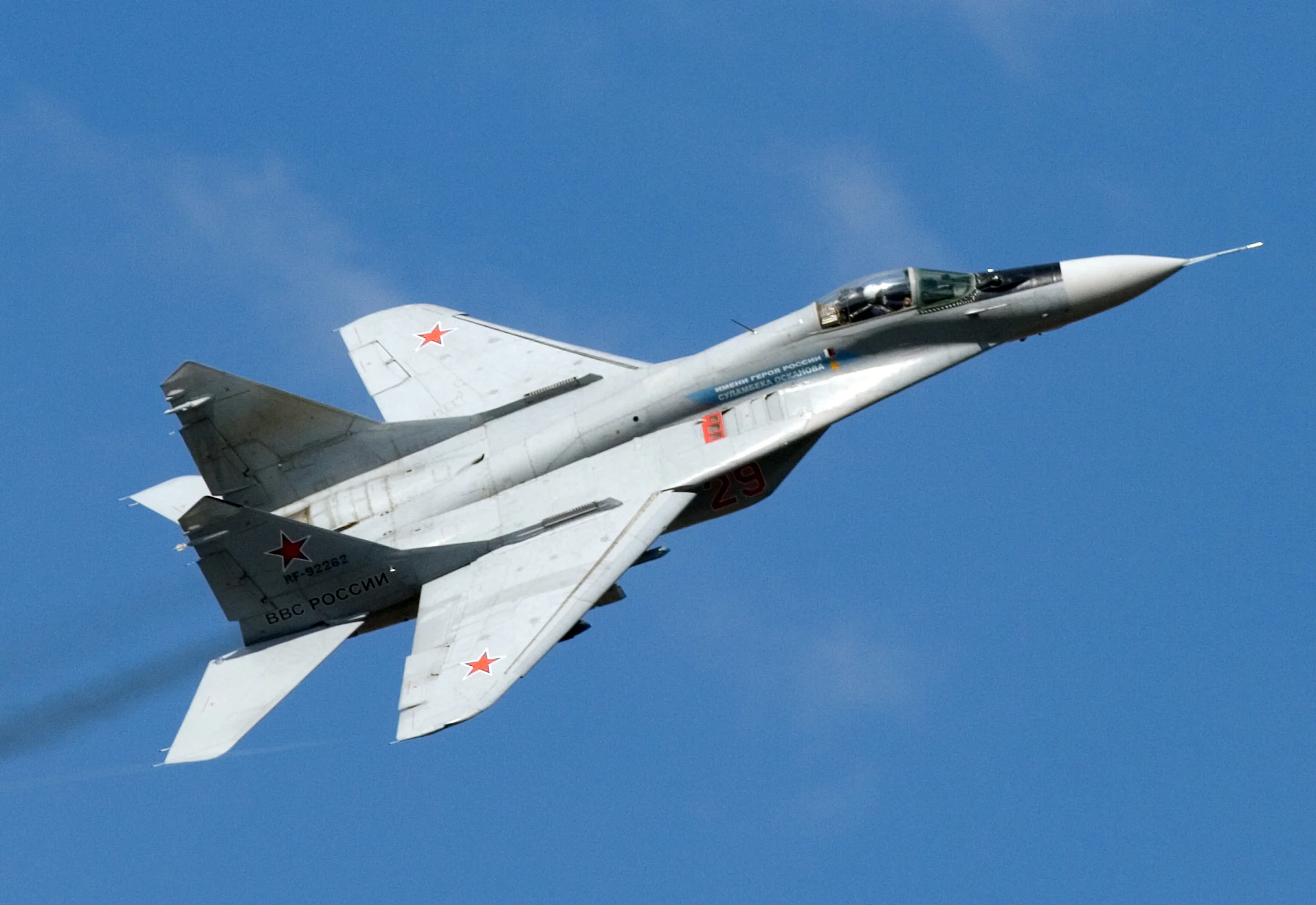
North Korea’s military inventory rests on mass and nuclear deterrence. Despite an ageing tank and aircraft fleet, the country seeks to guarantee regime security through massive artillery, a broad ballistic-missile programme and nuclear weapons.
At a Glance
- Active personnel: ≈ 1,280,000 (among world’s largest)
- Main battle tanks: ≈ 3.500
- Military aircraft (total): ≈ 950 (çoğu eski)
- Nuclear weapons: Yes (Hwasong ICBM)
- Highlights: Hwasong, KN-23
- Strategy: Nuclear + missile-heavy
Note: The inventory figures below are approximate values drawn from open sources such as Global Firepower, the IISS Military Balance and SIPRI.
About the North Korea Armed Forces
The Korean People’s Army is one of the world’s largest militaries by personnel, and much of the country’s resources go to defence. A large share of the conventional air and armoured force is of Soviet/Chinese heritage and ageing.
The real deterrent is nuclear weapons and a fast-developing ballistic-missile programme. Hwasong-series ICBMs and tactical systems such as the KN-23 sit at the centre of strategic doctrine.
Land Forces Inventory
| System type | Est. quantity |
|---|---|
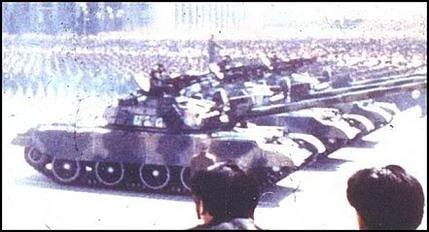
| Main battle tanks (Pokpung-ho, Chonma-ho) | ≈ 3.500 |
| Armoured fighting vehicles | ≈ 5.000 |
| Howitzers & artillery (numerous) | ≈ 8.500 |
| MLRS (KN-09, large inventory) | ≈ 5.500 |
Air Force Inventory
| Platform | Est. quantity |
|---|---|
| Total military aircraft | ≈ 950 |
| Fighters (MiG-29, MiG-23, MiG-21, Su-25) | ≈ 450 (mostly old) |
| UAV (indigenous recce/loitering) | Growing fleet |
| Helicopters | ≈ 200 |
Missile and Air-Defence Systems
| System | Type / Note |
|---|---|
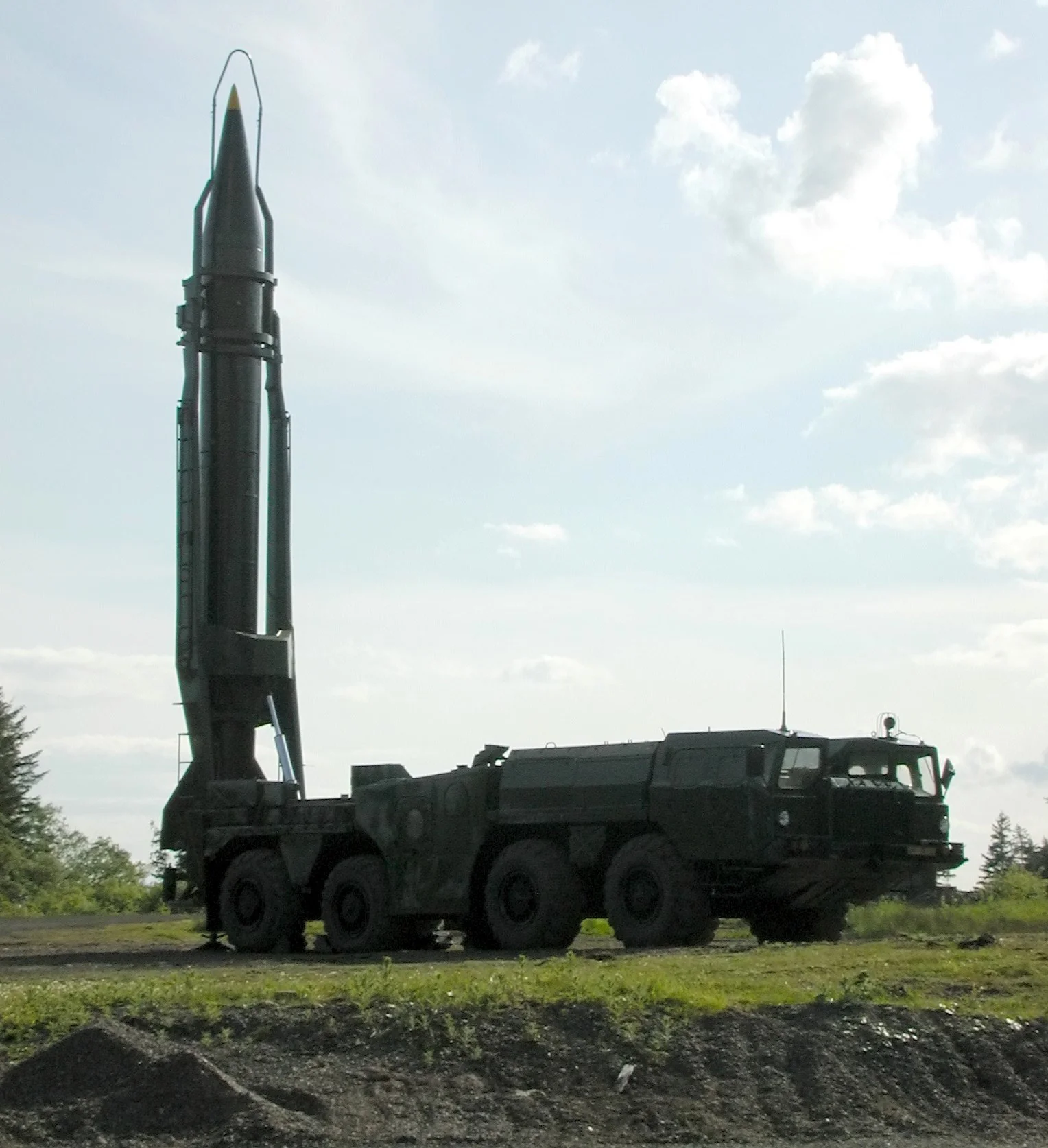
| Hwasong-17 / Hwasong-18 | ICBM |
| KN-23 | Short-range ballistic (Iskander-like) |
| Pukguksong | SLBM |
| KN-25 | Super-large MLRS |
Naval Power
| Class / Type | Est. quantity |
|---|---|
| Total naval platforms | ≈ 400+ (kıyı ağırlıklı) |
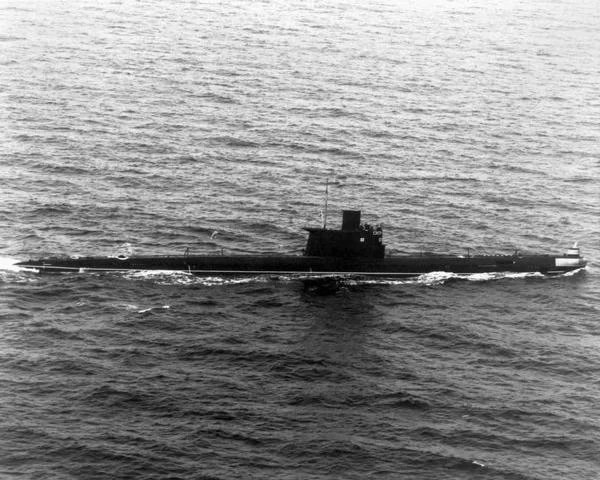
| Submarines (Romeo, Sinpo, midget) | ≈ 70 |
| Fast-attack & patrol boats | Numerous |
| Frigates / corvettes | ≈ 10 |
International Isolation and Procurement
Owing to international sanctions and its closed regime, North Korea has no defence relationship with most countries, including Turkey. Its inventory rests largely on indigenous production and Soviet/Chinese heritage, with deterrence centred on nuclear weapons and ballistic missiles.
This closed model stands in direct contrast to Turkey’s path of indigenous production built on open exports and international cooperation. North Korea illustrates both the deterrent capacity and the technological and economic limits of a defence industry developed under isolation.
Frequently Asked Questions
Does North Korea have nuclear weapons? Yes; it has conducted nuclear tests and developed delivery capacity with the Hwasong-series ICBMs.
Why does North Korea’s artillery stand out? Large numbers of artillery and MLRS deployed along the border form an asymmetric deterrent capable of threatening Seoul.
What is the Hwasong? The name of North Korea’s family of ballistic missiles reaching intercontinental range; the Hwasong-17 and -18 are the most advanced.
Bottom Line
Through mass, massive artillery and a nuclear-missile programme, North Korea has achieved deterrence far above its budget. But isolation has limited modernisation of its conventional inventory, leaving it heavily dependent on nuclear and missile deterrence.