North Africa’s Strongest Militaries (2026): Egypt on Top

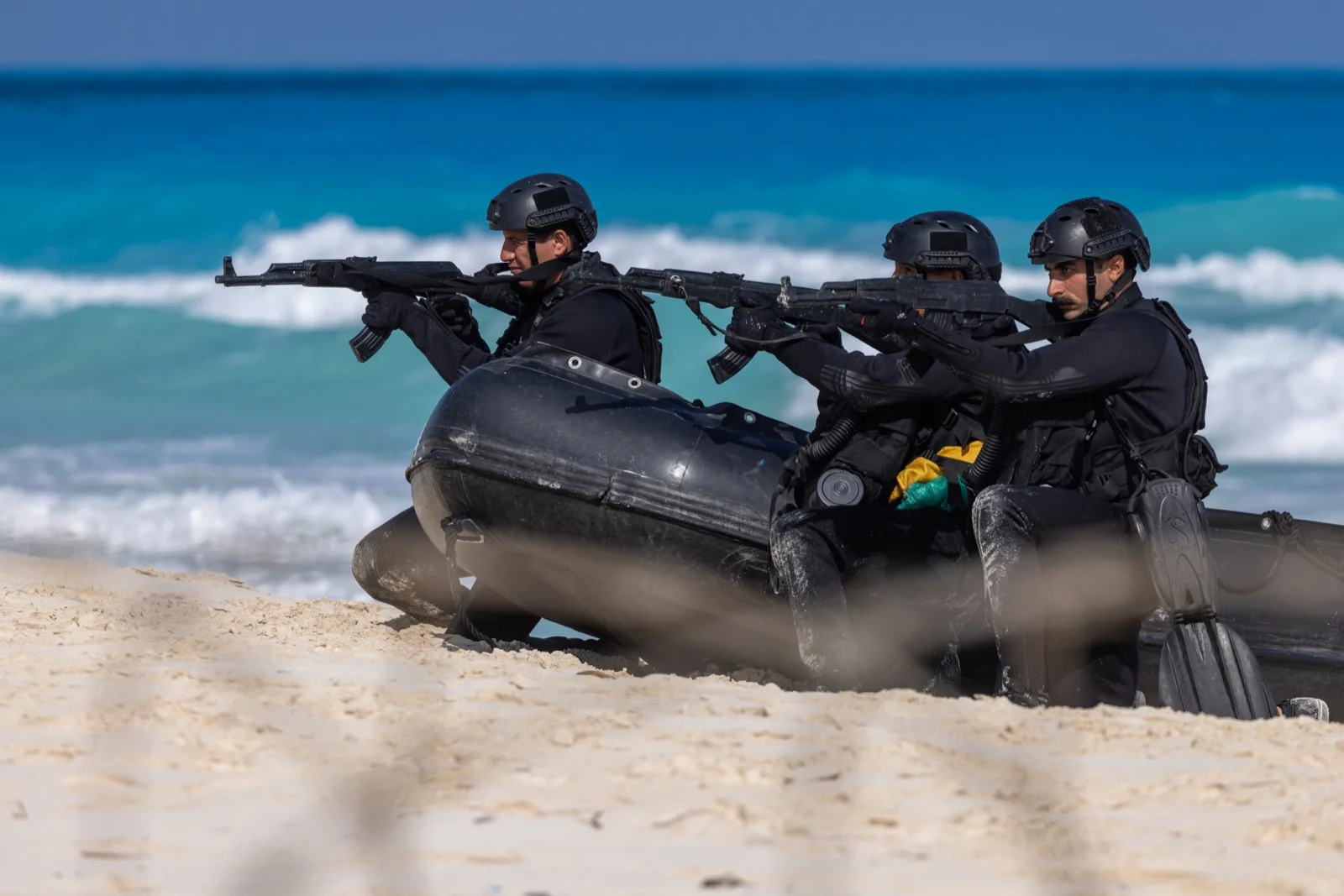
North Africa — the seven countries lining the southern Mediterranean coast: Egypt, Algeria, Morocco, Sudan, Tunisia, Libya and Mauritania — is one of the continent’s most energy-rich and geopolitically sensitive regions. The Western Sahara dispute, more than a decade of division in Libya, Sudan’s internal war, and the Algeria-Morocco rivalry all remain active fault lines at once.
The region is also home to some of Africa’s highest defence budgets; oil, gas and phosphate revenue is the core financing source that sets North African militaries apart from the rest of the continent.
So which North African country fields the strongest military in 2026? How is the Egypt-Algeria rivalry shaping the balance, how has Sudan’s civil war reshaped its inventory, and where does Libya’s divided state land in the ranking? We start the countdown at number seven.
The ranking below is based on GlobalFirepower’s 2026 overall Power Index (PwrIndx) and covers North Africa’s seven countries. The index combines tanks, aircraft, ships, manpower and budget into a single score, with a lower score indicating a stronger force.
#7Mauritania
Power Index · The western edge of the Sahara
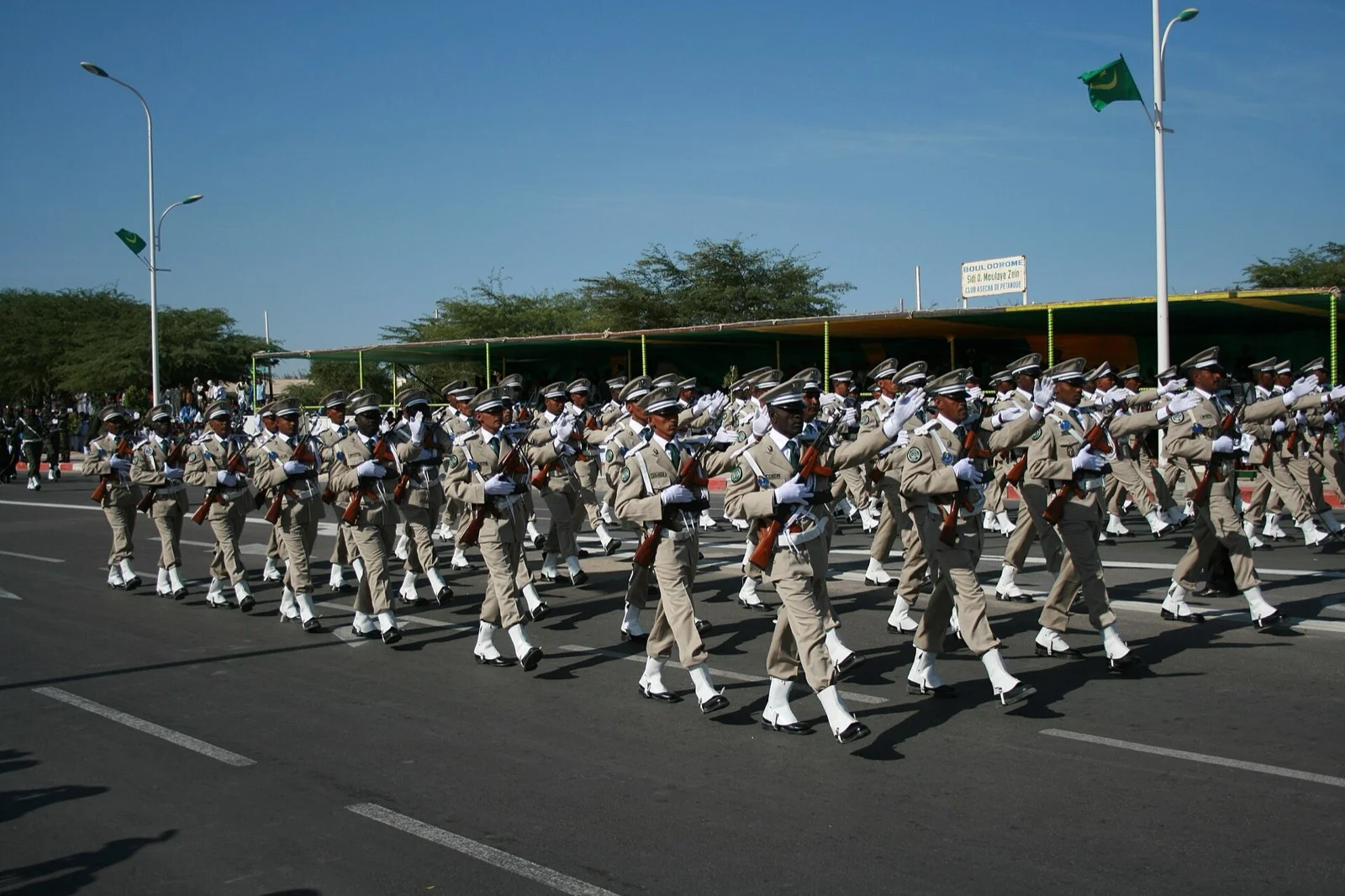
Mauritania, North Africa’s least populous and lowest-budget country, closes out this list. 31,540 active personnel and a $270.6 million budget are the most modest figures in the region.
The inventory holds just 51 tanks and 23 aircraft; air power is nearly symbolic. Nouakchott’s top security priority is preventing Sahel-based jihadist groups from infiltrating its territory, pursued through intelligence-sharing and border-security cooperation with the US and France.
Despite the Sahel-wide security crisis around Mali, Mauritania is one of the few countries that has held onto relative stability — a result of the army’s effective border-security strategy even with limited resources.
Mauritania’s budget is less than 1% of Algeria’s, the region’s highest-spending country.
| Capability | Total |
|---|---|
| Power Index | 2.7919 |
| Active personnel | 31,540 |
| Tanks | 51 |
| Total aircraft | 23 |
| Helicopters | 4 |
| Warships | 6 |
| Defence budget | $270.63 million |
The next country has been split between two governments for over a decade.
#6Libya
Power Index · A divided state’s military
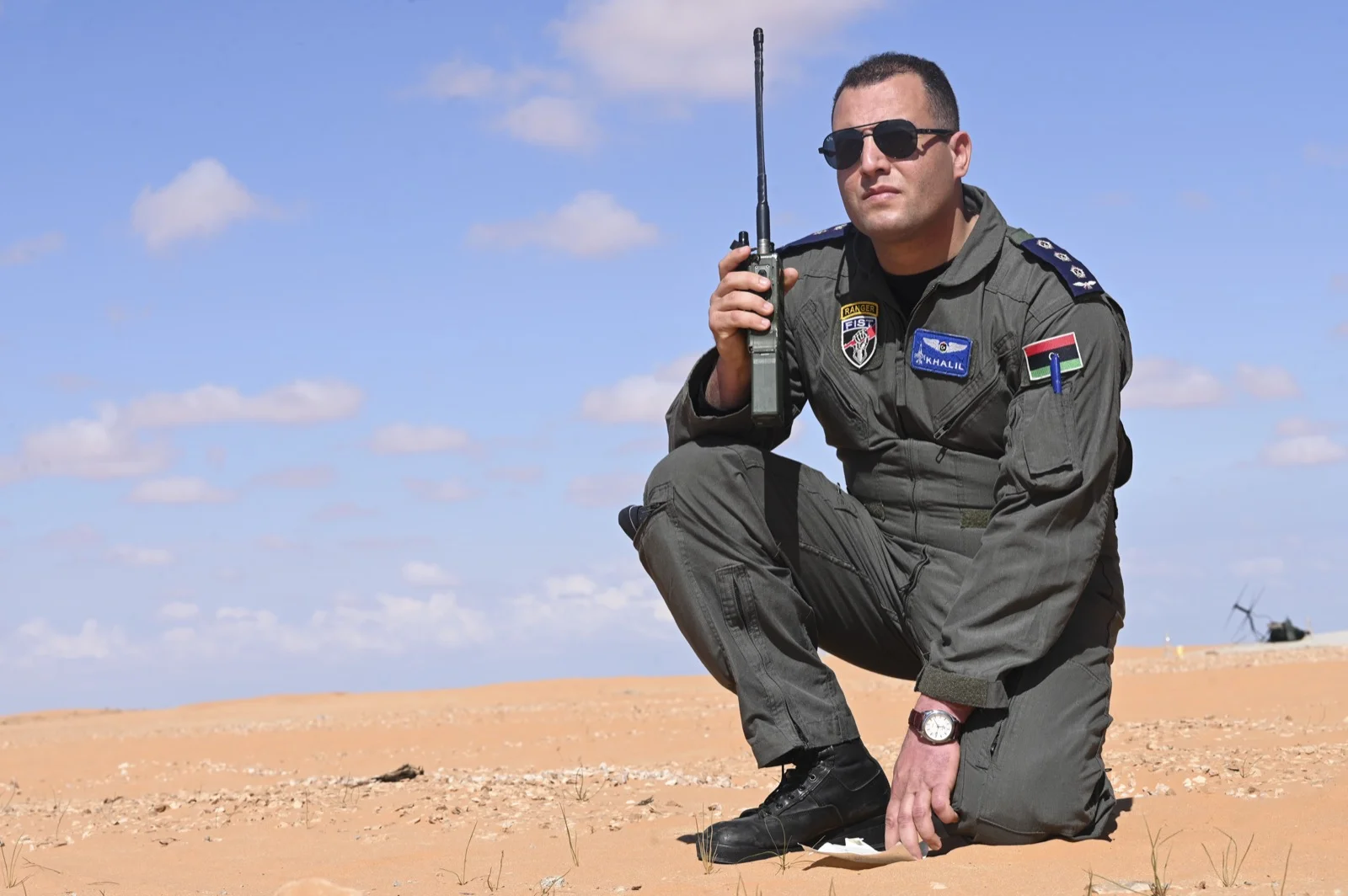
Libya has effectively been split between two rival authorities since Gaddafi’s fall in 2011: the Government of National Unity in Tripoli and forces led by Khalifa Haftar in the east. That division makes it difficult to meaningfully measure the country’s official inventory.
According to GlobalFirepower data, the inventory holds 55 tanks and 83 aircraft — figures far below the pre-2011 Gaddafi-era army. A $1.47 billion budget, despite the country’s oil wealth, can’t be effectively deployed under the ongoing internal division.
Libya’s conflict has become internationalised through direct military support from Türkiye, Russia, the UAE and Egypt; both sides draw on different foreign partners for arms and training. Reunifying the country and building a single central army remain critical to North African stability.
Libya’s inventory has shrunk by nearly 95% in tank count compared with the pre-civil-war Gaddafi era.
| Capability | Total |
|---|---|
| Power Index | 1.7872 |
| Active personnel | 32,000 |
| Tanks | 55 |
| Total aircraft | 83 |
| Helicopters | 22 |
| Warships | 5 |
| Defence budget | $1.47 billion |
The next country manages with a modest inventory despite a sizeable population.
#5Tunisia
Power Index · One of the region’s smaller militaries
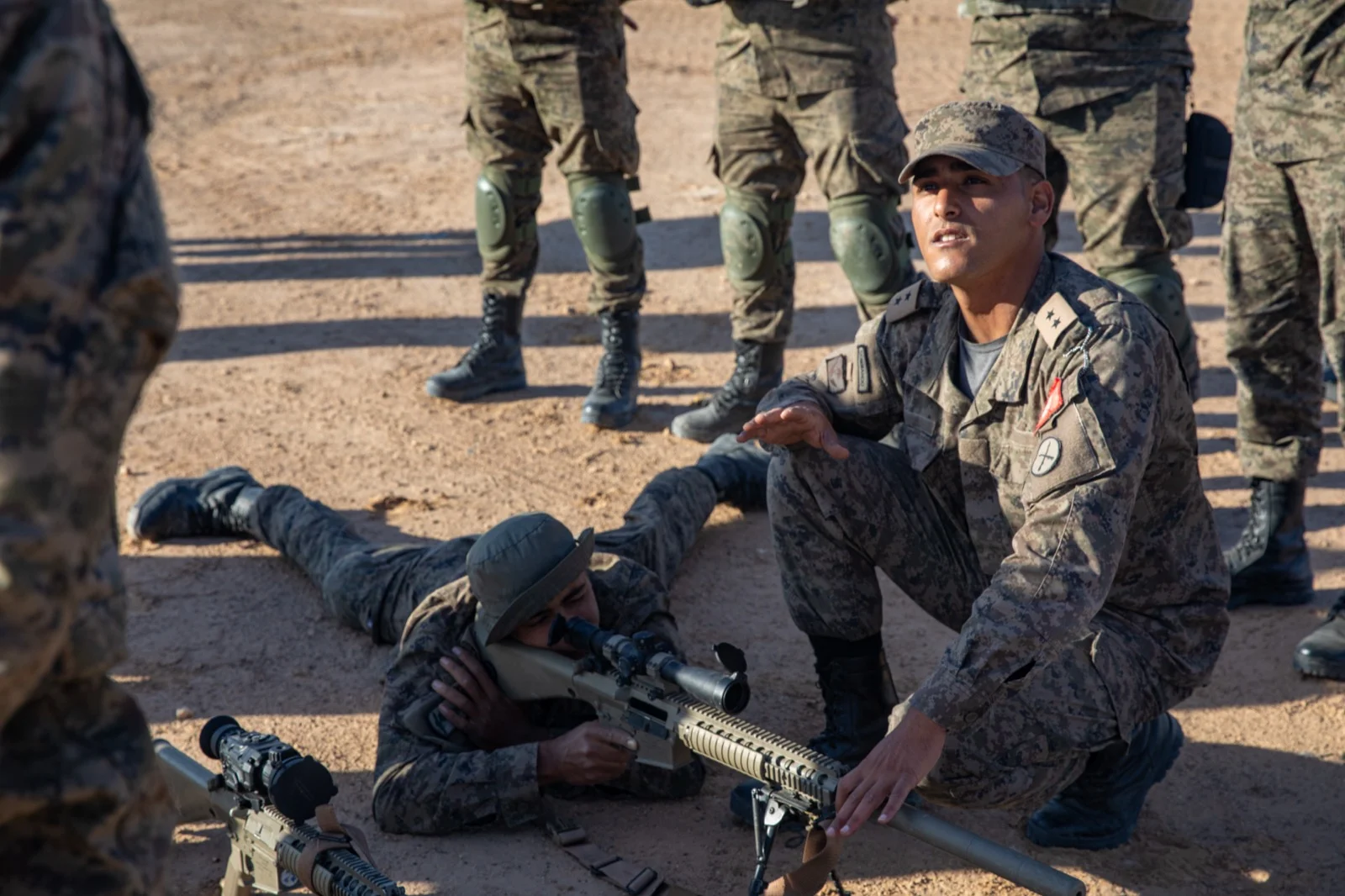
Tunisia, one of North Africa’s smallest countries by population, keeps its military at a similarly modest scale: 89,800 active personnel and a $2.17 billion budget.
The inventory holds 145 tanks and 155 aircraft — figures far behind the region’s major powers but proportional to the country’s geographic scale. The Tunisian Army’s main operational burden is instability along the Libyan border and a limited jihadist presence in the western mountain range.
Tunisia, the country where the 2011 Arab Spring began, continues to claim status as the region’s only democratic-transition example; economic difficulties, however, have pushed defence modernisation down the priority list. A US military assistance programme plays a significant role in updating the inventory.
Tunisia fields three times more troops than Libya, but a similarly sized air force.
| Capability | Total |
|---|---|
| Power Index | 1.7823 |
| Active personnel | 89,800 |
| Tanks | 145 |
| Total aircraft | 155 |
| Helicopters | 101 |
| Warships | 37 |
| Defence budget | $2.17 billion |
The next country holds its position mid-war.
#4Sudan
Power Index · A military amid civil war

Sudan, gripped by the civil war that erupted in 2023 and split the country in two, still holds the region’s fourth-strongest position on GlobalFirepower’s ranking. 300,000 active personnel reflects the registered strength of the official Sudanese Armed Forces (SAF); the actual fighting continues against the paramilitary Rapid Support Forces (RSF).
The inventory holds 1,055 tanks, among the highest figures in the region; but a low $394.7 million budget shows that maintaining and modernising that inventory is severely constrained. The war has destroyed significant portions of equipment held by both SAF and RSF.
Sudan’s conflict has become internationalised through indirect involvement from regional and global actors — the UAE, Egypt and various Sahel states — and has turned into one of the world’s largest humanitarian crises. The country’s military future hinges on how the civil war ends and whether the state can reunify under a single military authority.
Sudan’s 1,055-tank inventory exceeds the combined total of Tunisia and Libya.
| Capability | Total |
|---|---|
| Power Index | 1.3563 |
| Active personnel | 300,000 |
| Tanks | 1,055 |
| Total aircraft | 183 |
| Helicopters | 64 |
| Warships | 10 |
| Defence budget | $394.70 million |
The next country is pursuing determined modernisation in the shadow of the Western Sahara dispute.
#3Morocco
Power Index · Modernisation in the shadow of Western Sahara
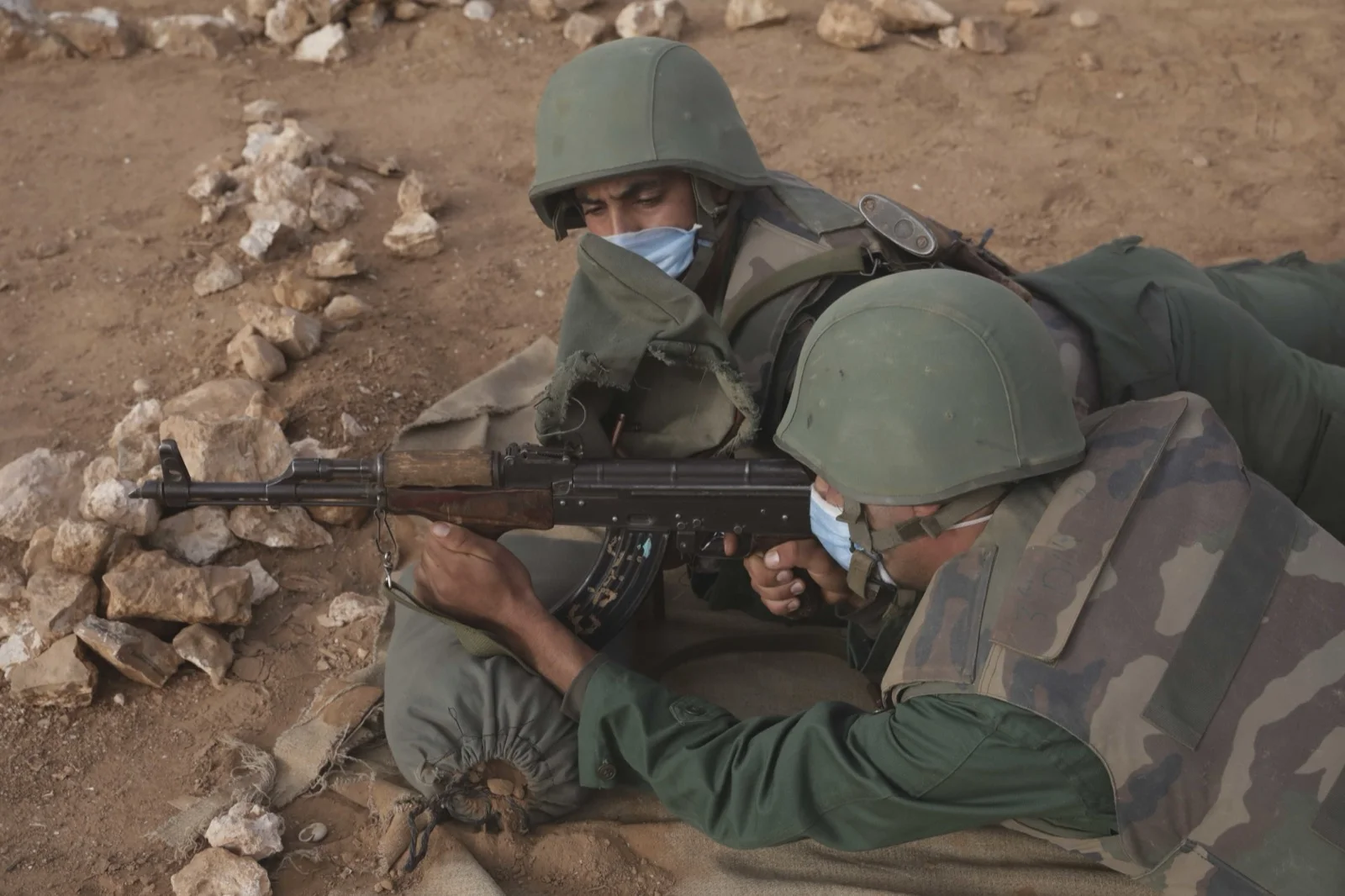
Morocco has systematically modernised its military over the past decade amid the long-running Western Sahara dispute and ongoing tension with Algeria. 400,000 active personnel and a $16.1 billion budget make it one of the region’s most balanced mid-sized powers.
The inventory holds 1,346 tanks and 271 aircraft; deepening defence ties with the United States have enabled F-16 fleet modernisation and M1A1 Abrams tank deliveries. Rabat has also gained access to Israeli defence technology under the relations normalised in 2020.
Morocco’s defence policy centres on keeping the low-intensity conflict with the Polisario Front in Western Sahara under control while maintaining deterrence in case of tension with Algeria — two priorities that are the core justification behind the country’s rising defence budget.
Morocco fields a far more balanced and modern inventory than Sudan on forty times its budget.
| Capability | Total |
|---|---|
| Power Index | 1.0368 |
| Active personnel | 400,000 |
| Tanks | 1,346 |
| Total aircraft | 271 |
| Helicopters | 73 |
| Warships | 100 |
| Defence budget | $16.10 billion |
The runner-up manages the region’s largest defence budget.
#2Algeria
Power Index · North Africa’s biggest budget
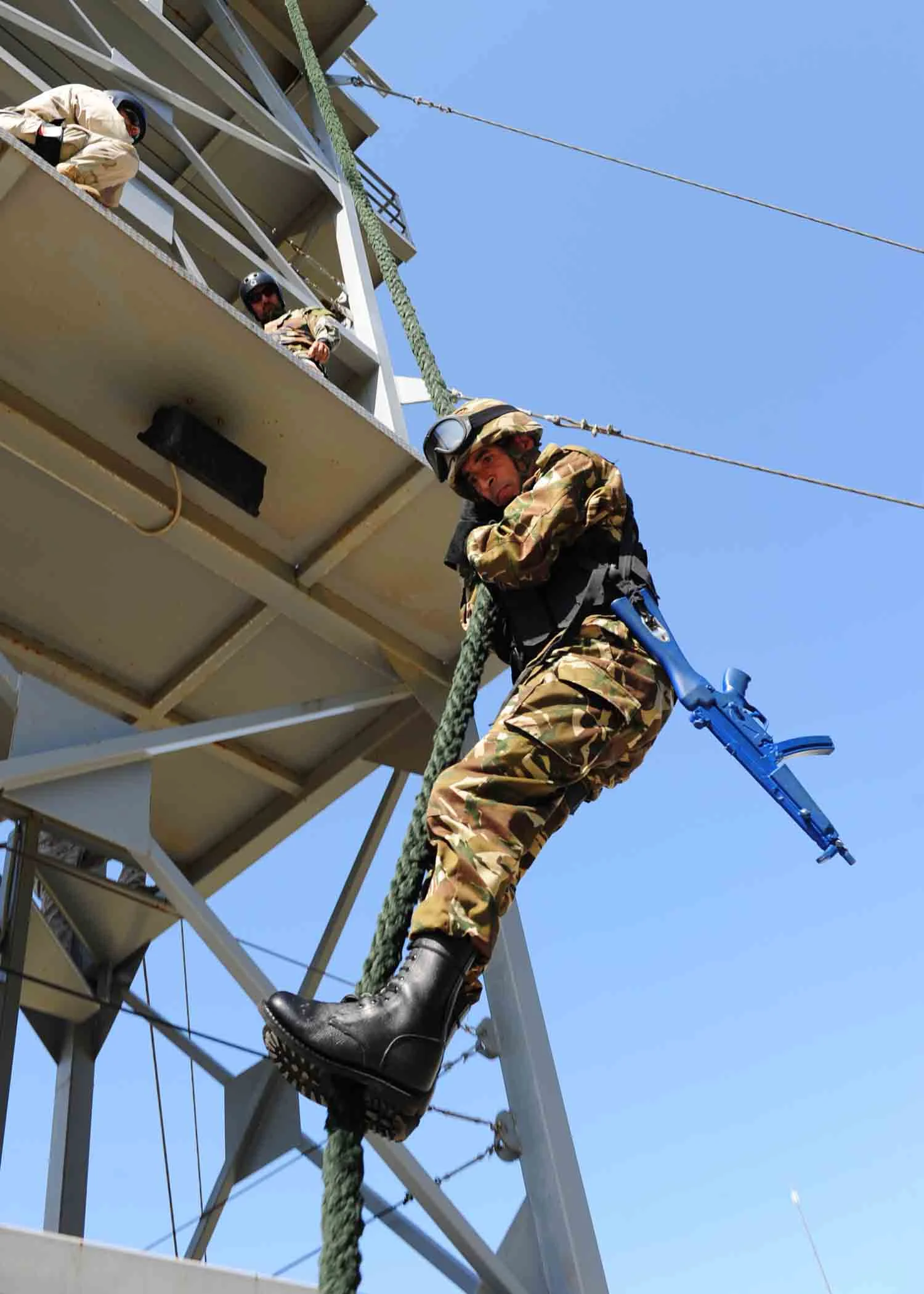
Algeria, with a $25 billion defence budget, spends more than any other North African country — the direct result of channelling natural gas revenue straight into military investment. 130,000 active personnel looks modest on paper, but the inventory’s technological depth more than makes up for it.
The inventory of 1,485 tanks and 620 aircraft leans heavily on Russian-origin platforms; Algeria is one of the Russian arms industry’s biggest customers in Africa. A Su-30MKA fleet and S-400 air-defence systems give the country one of the continent’s most advanced air-defence architectures.
Algeria’s defence policy is largely shaped by ongoing tension with Morocco and the Western Sahara dispute. Diplomatic relations between the two countries have reached a near-total breakdown — a rivalry that is the core dynamic pushing both sides to raise defence spending.
Algeria’s budget is roughly 1.5 times Morocco’s, but its personnel count is only about a third.
| Capability | Total |
|---|---|
| Power Index | 0.4849 |
| Active personnel | 130,000 |
| Tanks | 1,485 |
| Total aircraft | 620 |
| Helicopters | 300 |
| Warships | 111 |
| Submarines | 6 |
| Defence budget | $25.00 billion |
At the top sits the region’s largest and most battle-tested army.
#1Egypt
Power Index · North Africa’s military leader
Egypt fields North Africa’s — and indeed the entire African continent’s — strongest military. An inventory of 438,500 active personnel, 3,620 tanks and 1,088 aircraft is on a scale no other country in the region can match.
A $5.19 billion budget is relatively low against the size of that inventory — a reflection of how much of Egypt’s equipment stock is built on US military assistance and its historical Soviet/Russian legacy. Cairo runs a deliberately diversified procurement strategy, operating F-16, Rafale and MiG-29M platforms from different suppliers side by side.
Egypt’s strategic priorities centre on Sinai Peninsula security operations, tension with Ethiopia over the Nile water dispute, and the risk of instability spilling over from Libya. Cairo also directly guards the security of the Suez Canal — a role that gives it outsized strategic weight in global trade.
Egypt’s 3,620-tank inventory exceeds the combined total of the other six countries on this list.
| Capability | Total |
|---|---|
| Power Index | 0.3651 |
| Active personnel | 438,500 |
| Tanks | 3,620 |
| Total aircraft | 1,088 |
| Helicopters | 348 |
| Warships | 149 |
| Submarines | 8 |
| Defence budget | $5.19 billion |
What North Africa’s power balance tells us
This table shows military power in North Africa concentrated around three countries: Egypt, Algeria and Morocco. Those three hold most of the region’s combined defence budget and inventory, while Sudan, Libya, Tunisia and Mauritania make do with far more limited resources.
The second finding is that the Algeria-Morocco rivalry directly drives a regional arms race. The Western Sahara dispute and diplomatic relations at a near-breaking point push both countries to raise defence spending, a competition that sets North Africa’s total defence budget clearly apart from the rest of the continent.
The third trend is how directly internal conflict shrinks inventories. Sudan and Libya show how a country once ranked among the region’s strong militaries can see its inventory erode under civil war. Recovery for both depends on re-establishing central authority.
Finally, Egypt’s regional leadership doesn’t come from inventory size alone, but also from controlling a strategic asset like the Suez Canal. North Africa’s next decade will hinge on how the Algeria-Morocco rivalry evolves, how Sudan’s civil war resolves, and whether Libya can reunify.
North Africa’s strongest militaries: comparison table (2026)
| # | Country | Power Index | Active personnel | Tanks | Total aircraft | Warships | Defence budget |
|---|---|---|---|---|---|---|---|
| 1 | Egypt | 0.3651 | 438,500 | 3,620 | 1,088 | 149 | $5.19 billion |
| 2 | Algeria | 0.4849 | 130,000 | 1,485 | 620 | 111 | $25.00 billion |
| 3 | Morocco | 1.0368 | 400,000 | 1,346 | 271 | 100 | $16.10 billion |
| 4 | Sudan | 1.3563 | 300,000 | 1,055 | 183 | 10 | $394.70 million |
| 5 | Tunisia | 1.7823 | 89,800 | 145 | 155 | 37 | $2.17 billion |
| 6 | Libya | 1.7872 | 32,000 | 55 | 83 | 5 | $1.47 billion |
| 7 | Mauritania | 2.7919 | 31,540 | 51 | 23 | 6 | $270.63 million |
A new ranking tomorrow
Coming next: NATO’s biggest defence budgets, and Asia’s largest standing armies.
Sıkça Sorulan Sorular
Which country fields North Africa’s strongest military?
Egypt. According to GlobalFirepower’s overall Power Index, it’s the strongest in the region and on the entire African continent; its 3,620-tank inventory exceeds the combined total of the other six countries.
Why does second-place Algeria outspend Egypt?
The Power Index weighs more than just budget — it factors in personnel, inventory size and overall capacity together. Egypt’s much larger and more diversified inventory carries it to first place.
Why does Sudan still look strong despite its civil war?
GlobalFirepower data reflects the registered inventory of the official army (SAF); the war, however, has rendered much of that inventory effectively unusable or shifted it into the hands of the Rapid Support Forces.
Is a single inventory figure even meaningful for Libya?
Not really. The country remains effectively split between two rival authorities, and GlobalFirepower data reflects the total registered inventory — not all of which sits under one command.
When did the Morocco-Israel defence relationship begin?
Diplomatic relations normalised in 2020 under the Abraham Accords, a process that gave Morocco access to Israeli defence technology.
Sources
- GlobalFirepower 2026 overall Power Index and Africa regional ranking
- IISS The Military Balance
- SIPRI Military Expenditure Database
- Official statements from the relevant ministries of defence
- Source: https://www.globalfirepower.com/