Mexico’s Military Strength: Tanks, Jets and Warships (2026)

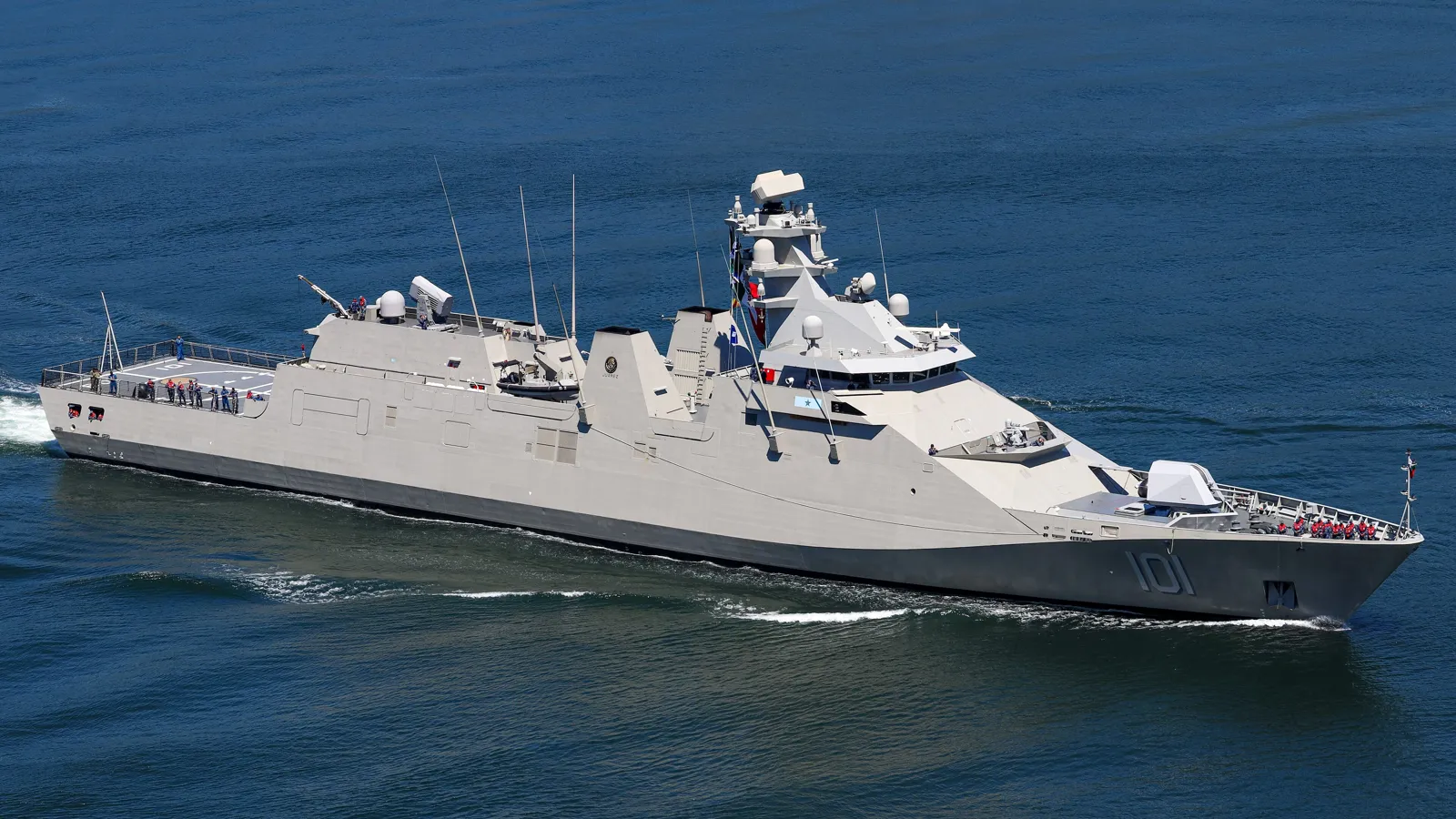
Mexico’s military inventory reflects a doctrine that fundamentally differs from classic external-defence militaries: its threat perception is built largely around organized-crime groups and cartel violence. The Mexican Armed Forces operate no heavy battle tanks, jet fighters or submarines, yet field a strong navy, a large fleet of light armoured vehicles and a helicopter-heavy air arm. The ARM Reformador frigate and the T-6C+ Texan II light-attack aircraft symbolize this structure.
At a Glance
- Active personnel: ≈ 265.000
- Main battle tanks: None — light armour
- Military aircraft (total): ≈ 450
- Key platform: T-6C+ / ARM Reformador
- GFP ranking: ≈ 31
- Submarines: None
Note: The inventory figures below are approximate values drawn from open sources such as Global Firepower, the IISS Military Balance and SIPRI.
About the Mexico Armed Forces
The Mexican Armed Forces comprise the Army and Air Force under the Secretariat of National Defense (SEDENA) and the Navy under the Secretariat of the Navy (SEMAR), with around 265,000 active personnel making it one of Latin America’s largest militaries. The scale of this force, however, is explained less by external war-fighting than by internal-security and territorial-integrity missions: the military has stood at the forefront of the fight against drug cartels for decades.
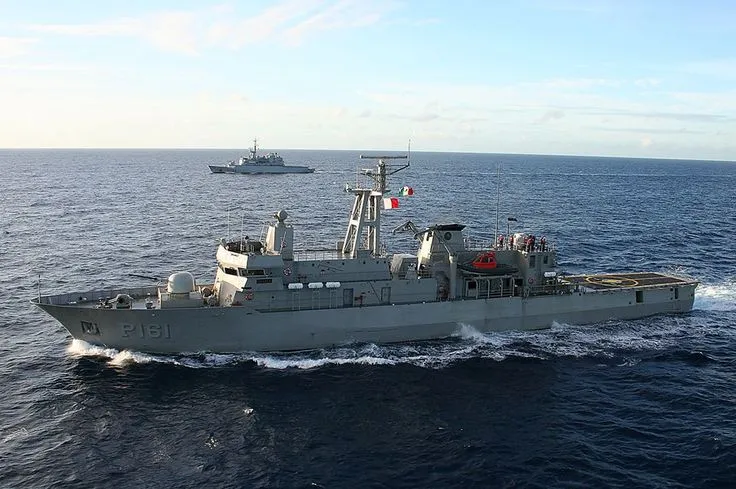
This doctrine directly shapes the inventory. Mexico does not invest in classic conventional platforms such as heavy battle tanks, multirole jet fighters or submarines; instead it prioritizes mobile light armoured vehicles, numerous helicopters, light-attack aircraft and a large coast-guard/navy fleet. On the naval side, the ARM Reformador (POLA) frigate, built in partnership with the Dutch firm Damen, and the Oaxaca/Holzinger-class offshore patrol vessels produced in domestic shipyards form the country’s most modern military capabilities.
Land Forces Inventory
| System type | Est. quantity |
|---|---|
| Main battle tanks | None (no heavy tanks operated) |
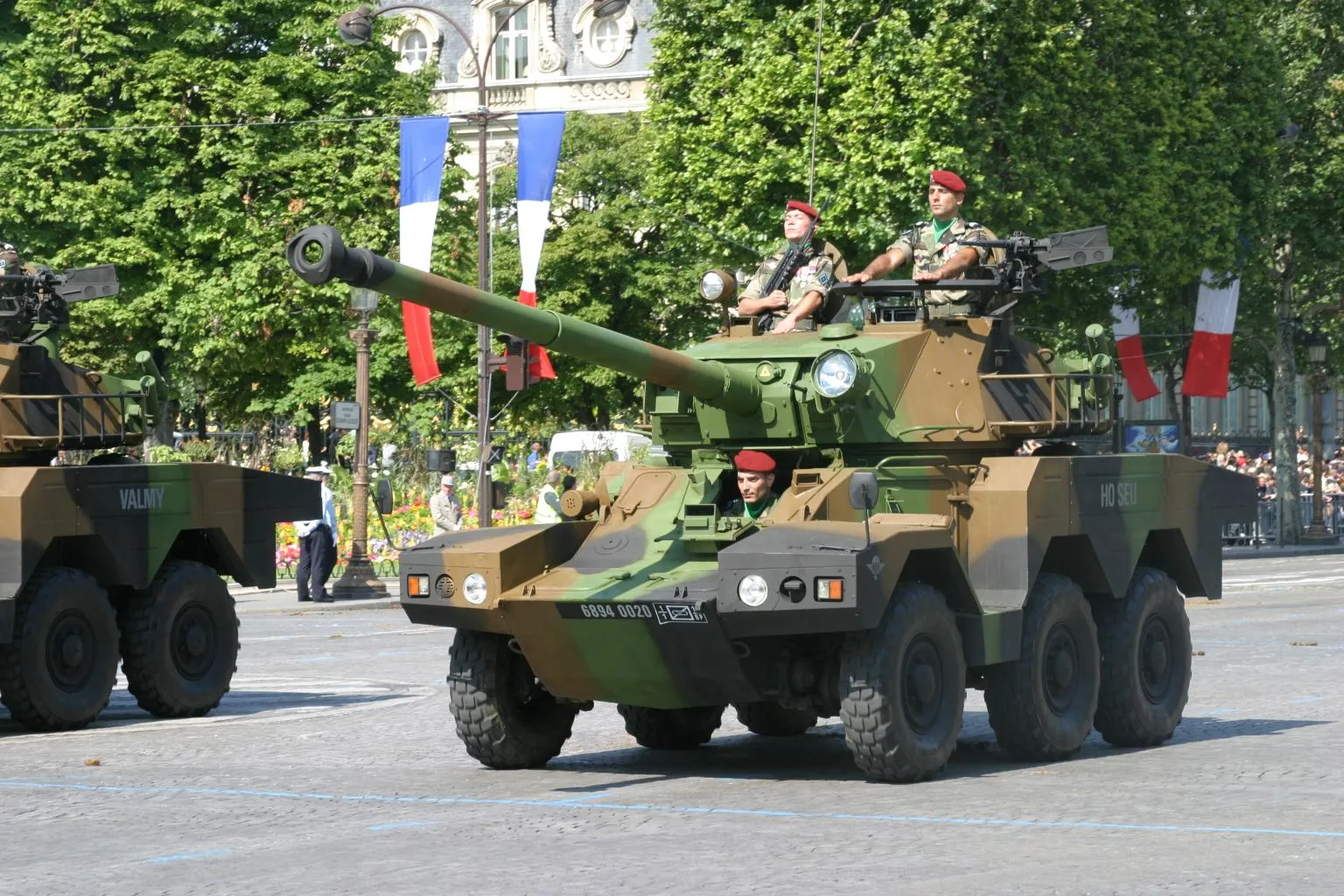
| Armoured recce / fighting vehicles (ERC-90 Lynx, Textron Commando, DN-series) | ≈ 2.500 |
| Armoured personnel carriers (Sand Cat, BDX, HWK-11, DN-V) | ≈ 1.900 |
| Towed howitzers / guns (M101 105 mm, M2A1, M-56) | ≈ 250 |
Air Force Inventory
| Platform | Est. quantity |
|---|---|
| Total military aircraft | ≈ 450 |
| Light attack / trainer (T-6C+ Texan II, PC-7, PC-9M) | ≈ 90 |
| Transport (C-130 Hercules, C-295, C-27J, Learjet) | ≈ 60 |
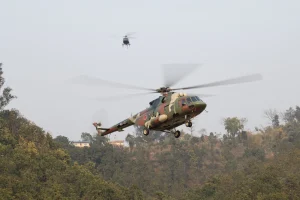
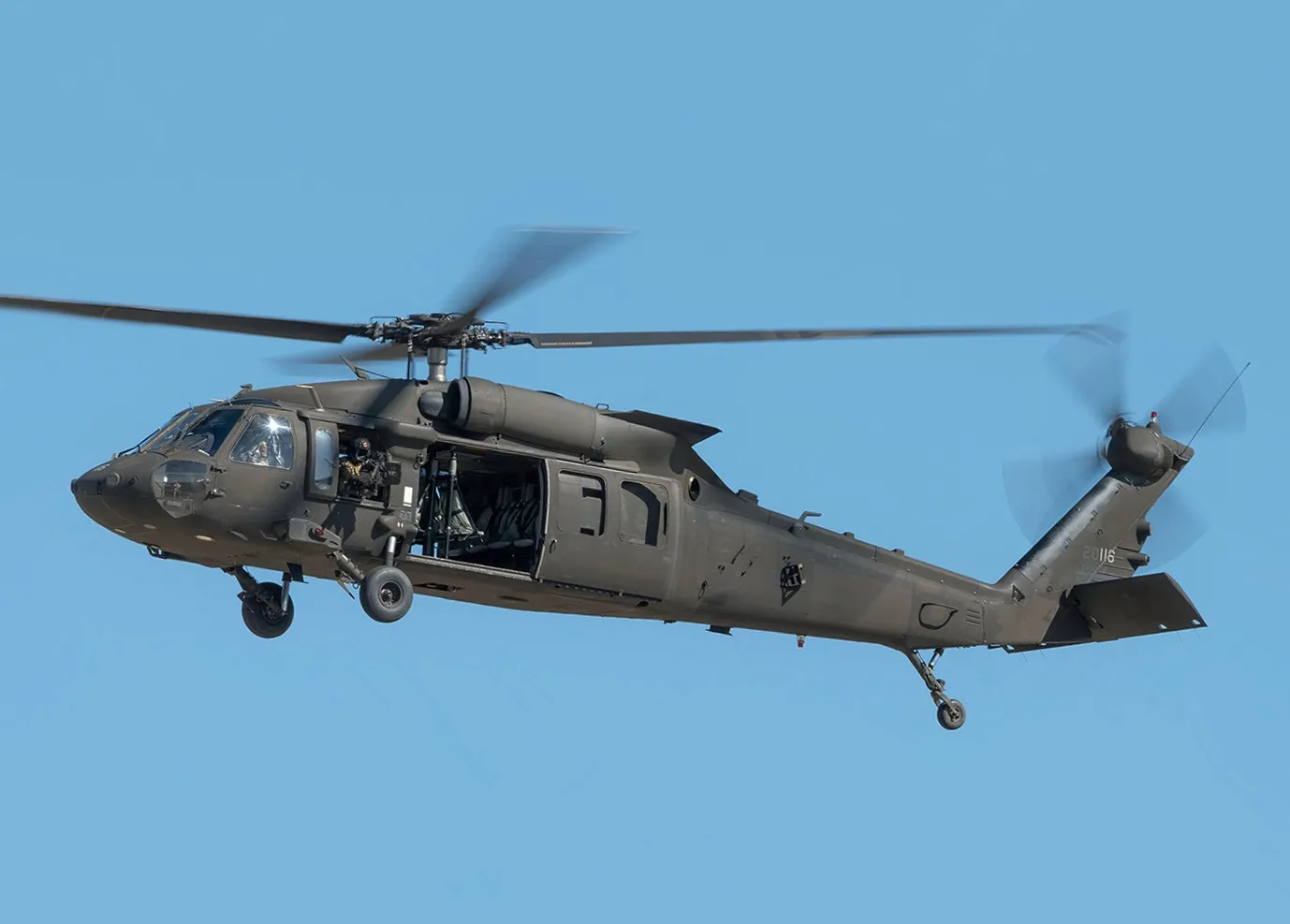
| Helicopters (UH-60M Black Hawk, Mi-17, MD 530F, Bell 407/412) | ≈ 180 |
Missile and Air-Defence Systems
| System | Type / Note |
|---|---|
| RGM-84 Harpoon anti-ship missile (navy — Reformador/Allende-class) | Naval strike capability |
| Man-portable air defence (limited MANPADS) | Point air defence |
| Air-to-ground rockets / guided munitions (on light-attack aircraft) | Internal-security air support |
| Strategic missiles / long-range air defence | Not in inventory |
Naval Power
| Class / Type | Est. quantity |
|---|---|
| Frigates (Reformador/POLA, Allende — ex-Knox, Bravo-class) | ≈ 8 |
| Offshore patrol vessels — OPV (Oaxaca, Sierra, Durango, Holzinger-class) | ≈ 40 |
| Coastal patrol boats (Tenochtitlan, Polaris, Cetina-class) | ≈ 100 |
| Amphibious landing ships (Papaloapan-class LST) | ≈ 2 |
The Turkey Angle: Turkish Defence Industry
There is no concluded large-scale defence procurement contract between Turkey and Mexico to date, so the relationship is better assessed as a potential market than through an existing delivery. Yet Mexico’s requirement profile aligns strikingly with the areas where the Turkish defence industry is strong. For a military focused on internal security and the fight against cartels, mine-resistant armoured vehicles such as the Otokar Cobra and Kaya, BMC Kirpi and Nurol Ejder; ASELSAN’s surveillance, electro-optical and communications systems; and tactical reconnaissance-surveillance UAVs from Baykar and other manufacturers offer natural solutions.
Turkey’s growing defence diplomacy and trade-fair presence in Latin America in recent years make Mexico one of the most notable targets of this outreach. An unconditional export policy, openness to technology transfer, rapid delivery and cost-effectiveness form an attractive basis for a Mexico seeking alternatives to traditional suppliers. In naval platforms the ADA-class corvette and Istanbul-class frigate, and in counter-cartel air support light-attack and UAV solutions, stand out as parallel options aligned with Mexico’s modernization agenda. Within this framework the relationship should be read as a strong potential rather than a realized cooperation.
Frequently Asked Questions
How many battle tanks does Mexico have? Mexico operates no heavy battle tanks in the classic sense. The armoured backbone of its land forces consists of wheeled light platforms such as ERC-90 Lynx reconnaissance vehicles, Textron Commando and domestic DN-series armoured vehicles. This choice reflects the country’s doctrine, oriented toward internal security and mobility rather than external war.
Does Mexico have submarines or jet fighters? No. The Mexican Navy operates no submarines and the Air Force no multirole jet fighters (the F-5 fleet has been retired). Air power rests on light-attack and trainer aircraft such as the T-6C+ Texan II and PC-7/PC-9M and on helicopters; naval power on frigates and offshore patrol vessels.
Does Mexico have defence cooperation with Turkey? There is currently no concluded major procurement contract; the relationship is at the level of a potential market. However, Mexico’s internal-security-oriented needs (armoured vehicles, UAVs, surveillance systems, naval platforms) align with the strengths of Turkish firms such as Otokar, BMC, Nurol, ASELSAN and Baykar, making it a notable target of Turkey’s Latin American outreach.
Bottom Line
Mexico has a distinctive military structure designed not around external-war scenarios but around the fight against organized crime and cartel violence. The absence of heavy tanks, jet fighters and submarines is not a shortfall but a deliberate doctrinal choice; the force’s weight lies in mobile light armoured vehicles, helicopters and a strong navy. The ARM Reformador frigate and domestically built OPVs are the most modern symbols of this priority. For Turkey, Mexico is not yet a realized export success but one of the standout potential markets of its Latin American outreach, where Turkish armoured-vehicle, UAV and naval solutions align with Mexican internal-security needs.