Malaysia’s Military Strength: Tanks, Jets and Warships (2026)

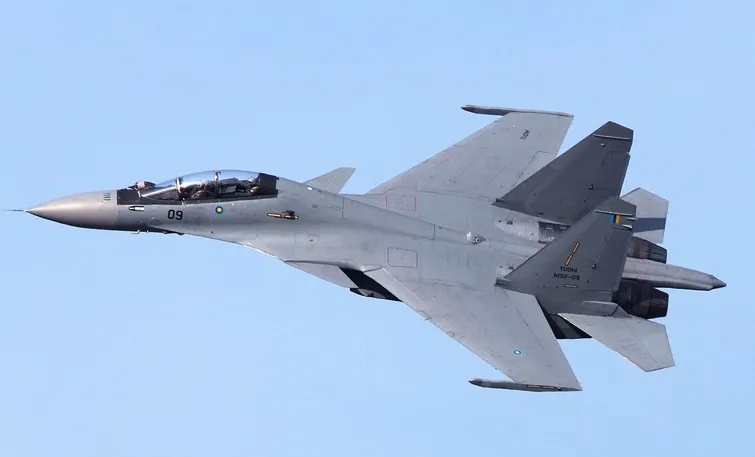
Malaysia’s military inventory reflects one of Southeast Asia’s most balanced and multi-sourced armed forces. The Malaysian Armed Forces combine Russian-origin Su-30MKM and US-origin F/A-18D Hornet fighters, Polish-based PT-91M Pendekar tanks and French-Spanish Scorpène submarines in a single inventory. The backbone of the ground forces, the AV8 Gempita 8×8 armoured vehicle, stands out as the product of a strong co-production relationship with Turkey’s defence industry.
At a Glance
- Active personnel: ≈ 110.000
- Main battle tanks: ≈ 48
- Military aircraft (total): ≈ 115
- Key fighter: Su-30MKM, F/A-18D
- GFP ranking: ≈ 41
- Submarines: Scorpène — 2
Note: The inventory figures below are approximate values drawn from open sources such as Global Firepower, the IISS Military Balance and SIPRI.
About the Malaysia Armed Forces
The Malaysian Armed Forces (Angkatan Tentera Malaysia), with around 110,000 active personnel, present a mid-sized but modern regional structure. Comprising Army, Air Force and Navy, the military follows a doctrine shaped by sovereignty disputes in the South China Sea, the security of sea lanes and internal security duties. The country pursues a procurement policy that balances Western and Eastern sources rather than relying on any single supplier.
The inventory’s defining feature is the diversity of its sources: Su-30MKM fighters from Russia, F/A-18D Hornets from the US, Scorpène submarines from France, PT-91M tanks from Poland and FNSS-based AV8 Gempita armour from Turkey. This multi-source structure gives Malaysia flexibility while creating a complex logistics chain for sustainment, spares and integration. In recent years Malaysia has moved to modernize its inventory by procuring FA-50M light combat aircraft from South Korea and ANKA UAVs from Turkey.
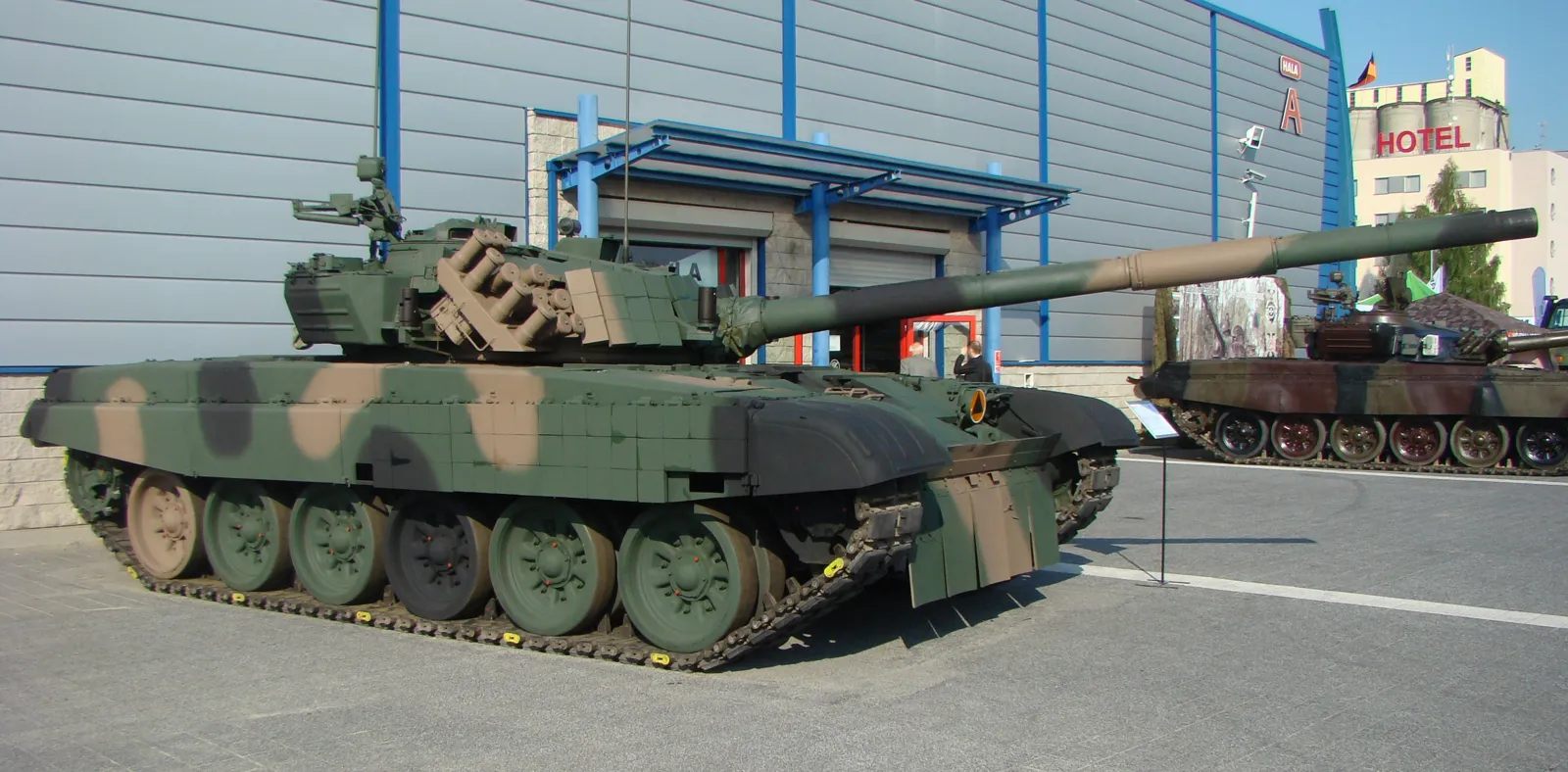
Land Forces Inventory
| System type | Est. quantity |
|---|---|
| Main battle tanks (PT-91M Pendekar) | ≈ 48 |
| Armoured fighting vehicles (AV8 Gempita, ACV-300 Adnan, Condor, SIBMAS) | ≈ 1.200 |
| Howitzers / towed and self-propelled guns (G5, LG1 Mk3, Oto Melara) | ≈ 400 |
| MLRS (ASTROS II) | ≈ 36 |
Air Force Inventory
| Platform | Est. quantity |
|---|---|
| Total military aircraft | ≈ 115 |
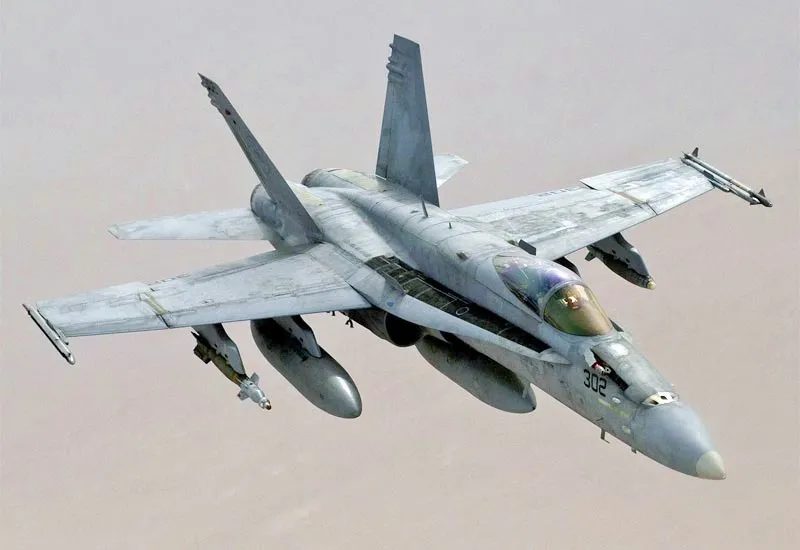
| Fighters / multirole (Su-30MKM, F/A-18D Hornet, BAE Hawk 208) | ≈ 40 |
| Transport / trainer (A400M, C-130H, CN-235, MB-339, FA-50M on order) | ≈ 45 |
| Helicopters (EC725 Caracal, AW139, S-61 Nuri, AS555) | ≈ 70 |
Missile and Air-Defence Systems
| System | Type / Note |
|---|---|
| Exocet MM40 / Kh-31 / Sea Skua anti-ship missiles | Naval and air-launched strike capability |
| Jernas (Rapier) short-to-medium-range air defence | Point air defence |
| Igla / Starburst / Anza man-portable air defence | Short-range air defence |
| Gun air defence (Oerlikon 35 mm) | Short-range point defence |
Naval Power
| Class / Type | Est. quantity |
|---|---|
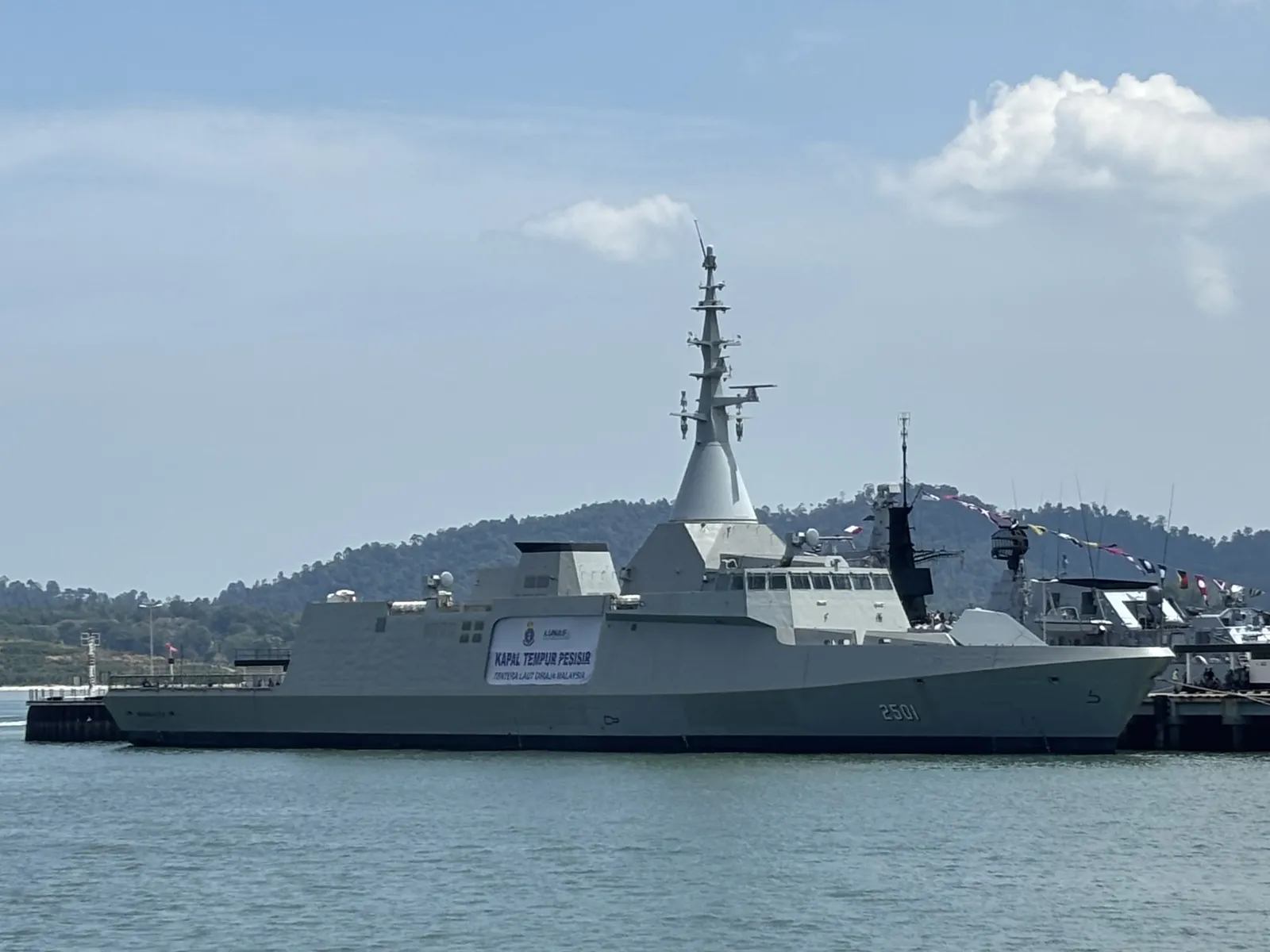
| Frigates (Lekiu-class, Maharaja Lela / Gowind LCS) | ≈ 4 |
| Corvettes (Kasturi-class, Laksamana-class) | ≈ 6 |
| Offshore patrol vessels (Kedah-class) | ≈ 6 |
| Submarines (Scorpène — Tunku Abdul Rahman class) | 2 |
The Turkey Angle: Turkish Defence Industry
Malaysia hosts one of the most concrete and long-standing success stories of Turkey’s defence industry in Southeast Asia. The Malaysian Army’s main armoured carrier, the AV8 Gempita 8×8, was developed on Turkey’s FNSS Pars platform and co-produced at the facilities of local partner DEFTECH in Pekan. Signed in 2011, the roughly 257-vehicle programme was recorded as one of the largest single armoured-vehicle export and technology-transfer deals of Turkey’s industry at the time; in its various mission configurations it forms the mechanized backbone of the Malaysian army.
The cooperation has not been limited to armoured vehicles. In 2023 Malaysia selected Turkish Aerospace’s (TAI) ANKA medium-altitude long-endurance UAV for its reconnaissance, surveillance and border-security needs, turning to Turkish systems. Roketsan’s guided munitions, ASELSAN’s electronic-warfare and electro-optical systems, and Baykar’s armed UAVs continue to align with Malaysia’s modernization and indigenization goals. The Turkish model — built on co-production, free of conditions and open to technology transfer — offers a natural procurement foundation for Malaysia.
Frequently Asked Questions
What is Malaysia’s main fighter jet? The Royal Malaysian Air Force’s most capable fighters are the Russian-origin Su-30MKM and the US-origin F/A-18D Hornet; the inventory also includes BAE Hawk 208 light combat aircraft. The country has ordered FA-50M light combat aircraft from South Korea to complement its fleet.
Does Malaysia have submarines? Yes. The Royal Malaysian Navy operates two French-Spanish-built Scorpène-class (Tunku Abdul Rahman class) submarines. These submarines form an important part of the country’s deterrent capability in the South China Sea.
Does Malaysia have defence cooperation with Turkey? Yes, a strong and concrete one. The Malaysian army’s main armoured vehicle, the AV8 Gempita 8×8, is co-produced with local partner DEFTECH on Turkey’s FNSS Pars platform (257 vehicles). In addition, Malaysia selected Turkish Aerospace’s ANKA UAV in 2023.
Bottom Line
Malaysia fields one of Southeast Asia’s most balanced and multi-sourced militaries, combining Russian, US, French and Polish-origin systems under a modern doctrine. For Turkey the country is not merely a potential market but an already-realized success story: the AV8 Gempita co-production and the ANKA selection stand among the strongest examples in Southeast Asia of the Turkish defence industry’s export model based on co-production and technology transfer. The inventory’s strength lies in the flexibility of its multi-source structure and its will toward indigenization.