Moldova to Receive Over 100 Roshel Armoured Vehicles With EU Funding

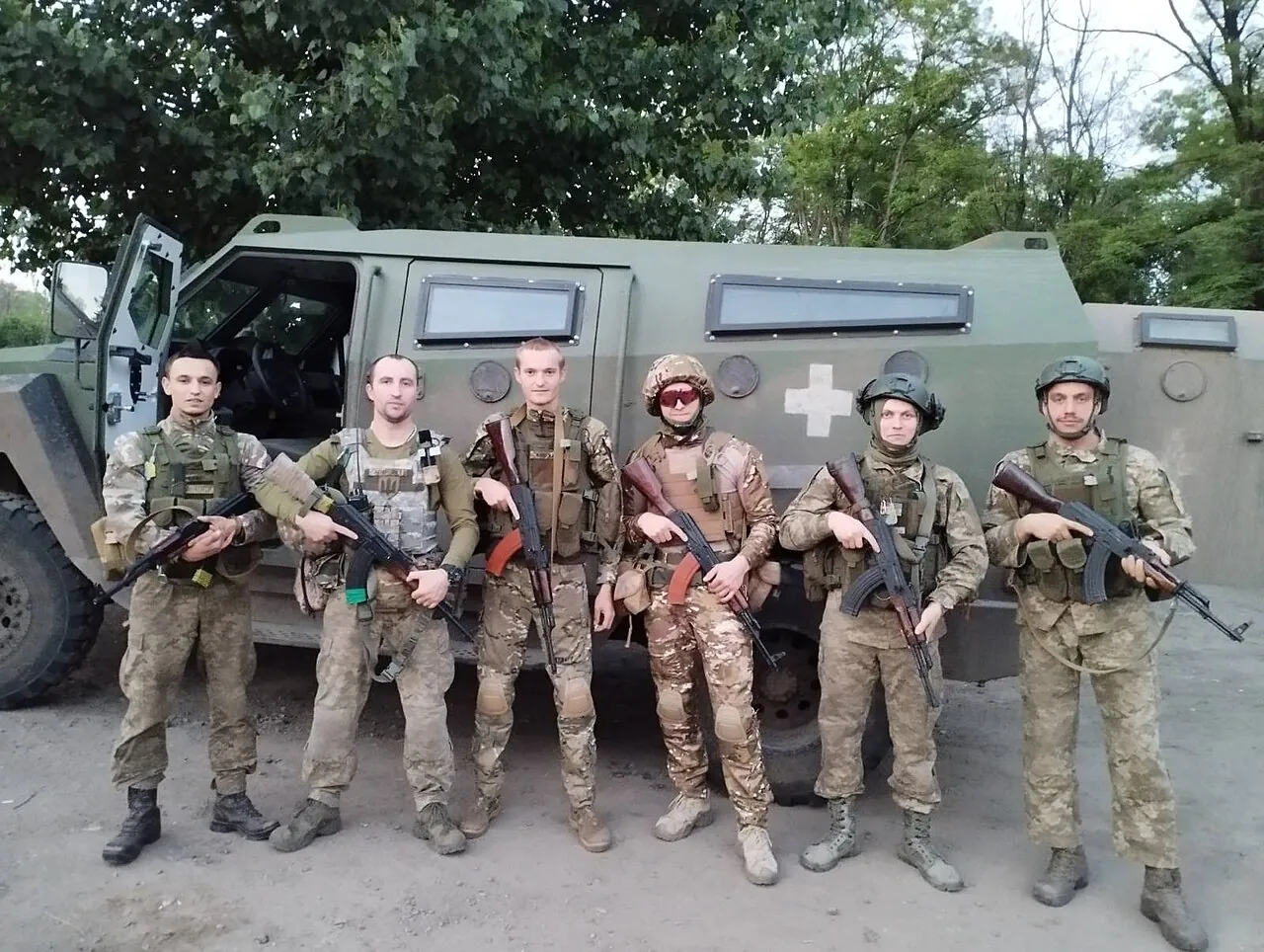
The European Union has taken a new step to strengthen Moldova’s military mobility. According to European defense industry sources, Moldova will receive more than 100 armoured personnel carriers from Canada’s Roshel under European Peace Facility funding. The entire procurement is financed by the EPF.
The procurement is implemented by Estonia’s Centre for Defence Investments (ECDI), which since 2022 has been the main implementing body for EPF assistance packages directed at Moldova. The package is part of a 2022-2025 assistance program aimed at strengthening the mobility and transport capabilities of Moldova’s National Army.
The Framework of the Deal
The European Peace Facility (EPF) is a financing instrument the EU set up to support partner countries’ defense capabilities. Moldova is one of the countries that has deepened its alignment with Europe’s security architecture following Russia’s assault on Ukraine; these EPF-funded vehicles are part of its effort to modernize its army.
Estonia’s ECDI, the procurement’s implementer, has run all EPF assistance packages for Moldova since 2022. The model involves an EU member (Estonia) using its expertise, with EU funding (EPF), to procure a third country’s product (Canada’s) for a partner nation (Moldova). With over 100 units, the vehicles aim to boost the mobility of Moldova’s army.
Roshel and the Armoured Carrier Market
Roshel is a Canada-based armoured vehicle maker, known especially for its Senator-class armoured personnel carriers. With hulls protected against mines and improvised explosives, these vehicles are meant to move personnel safely in low-intensity threat environments. The war in Ukraine has markedly raised demand for such protected carriers.
The Moldova order shows how competitive the armoured personnel carrier market is. Canada, Türkiye, South Africa and various European makers compete in this segment. Procurements steered by Western funds (such as the EPF) reflect both technical and political preferences in supplier selection, which makes the market strategic for manufacturers.
| Item | Detail |
|---|---|
| Customer | Moldova National Army |
| Vehicle | Over 100 armoured personnel carriers |
| Model | Roshel Senator class |
| Maker | Roshel (Canada) |
| Funding | European Peace Facility (EPF) |
| Implementer | Estonia’s ECDI |
| Value | More than 50 million euros |
| Delivery | By May 2027 |
Why Do Armoured Carriers Matter?
Armoured personnel carriers are basic tools for an army to move its personnel under protection. Mine-protected hulls and ballistic armour reduce casualties in low- and medium-intensity combat. For armies with limited budgets, these vehicles offer a relatively affordable but effective modernization step.
For countries like Moldova, such purchases carry both operational capability and political alignment. Procuring Western-standard vehicles with Western funds also signals the country’s security orientation. The segment’s competitive structure, meanwhile, offers export opportunities to different manufacturers.
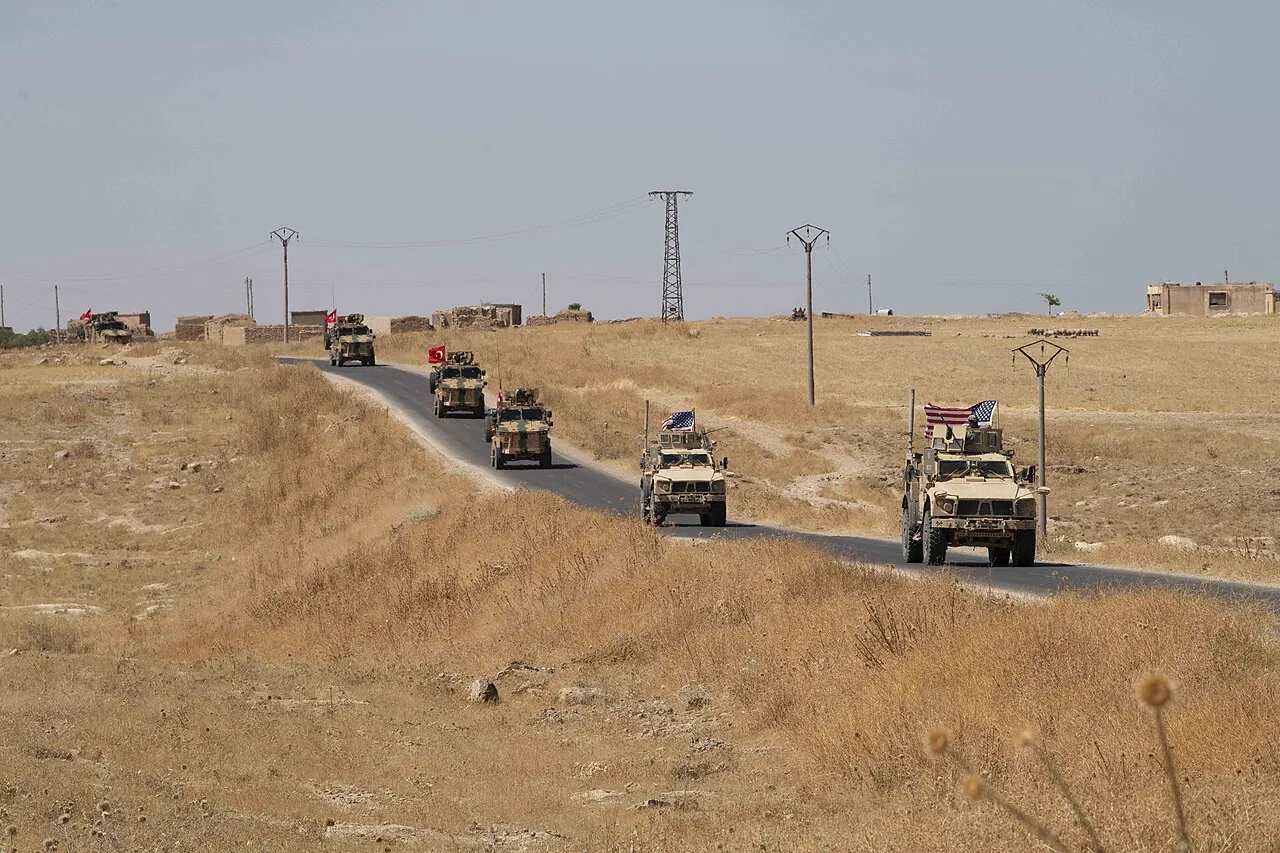
For Türkiye: A Competitive Export Market
Armoured personnel carriers and mine-protected vehicles are among the strongest export lines of Turkish defense industry. Vehicles such as the BMC Kirpi, FNSS Pars, Otokar Cobra and Arma, and Nurol Makina’s Ejder Yalçın have been exported to dozens of countries. Türkiye stands out in this segment with both a broad product range and field-proven performance.
Moldova choosing Canada’s Roshel shows how competitive and politics-driven this market is. Western funding mechanisms (such as the EPF) often steer supplier selection too, which is both an opportunity and a competitive reality for Turkish makers. Türkiye takes part in similar purchases in different markets through its own financing and defense-diplomacy tools.
Türkiye is also largely self-sufficient in armoured vehicles; it meets its army’s need with domestic production and exports the surplus. The Moldova case is a reminder that in the armoured carrier market, financing and alliance relations matter alongside the product, and that Turkish industry competes on all three fronts.
Frequently Asked Questions
How many vehicles is Moldova receiving?
Who funds the purchase?
What is Roshel?
Where does Türkiye stand in this market?
Conclusion
Moldova receiving over 100 Roshel armoured vehicles with EU funding is both a modernization step and a sign of the competitive structure of the armoured carrier market. Türkiye, with a broad product range from the Kirpi to the Pars, is one of the strong players in this market; the case shows that for manufacturers, financing and alliance relations matter as much as the product.