Kalibr What is it? The flagship cruise missile of Russia.

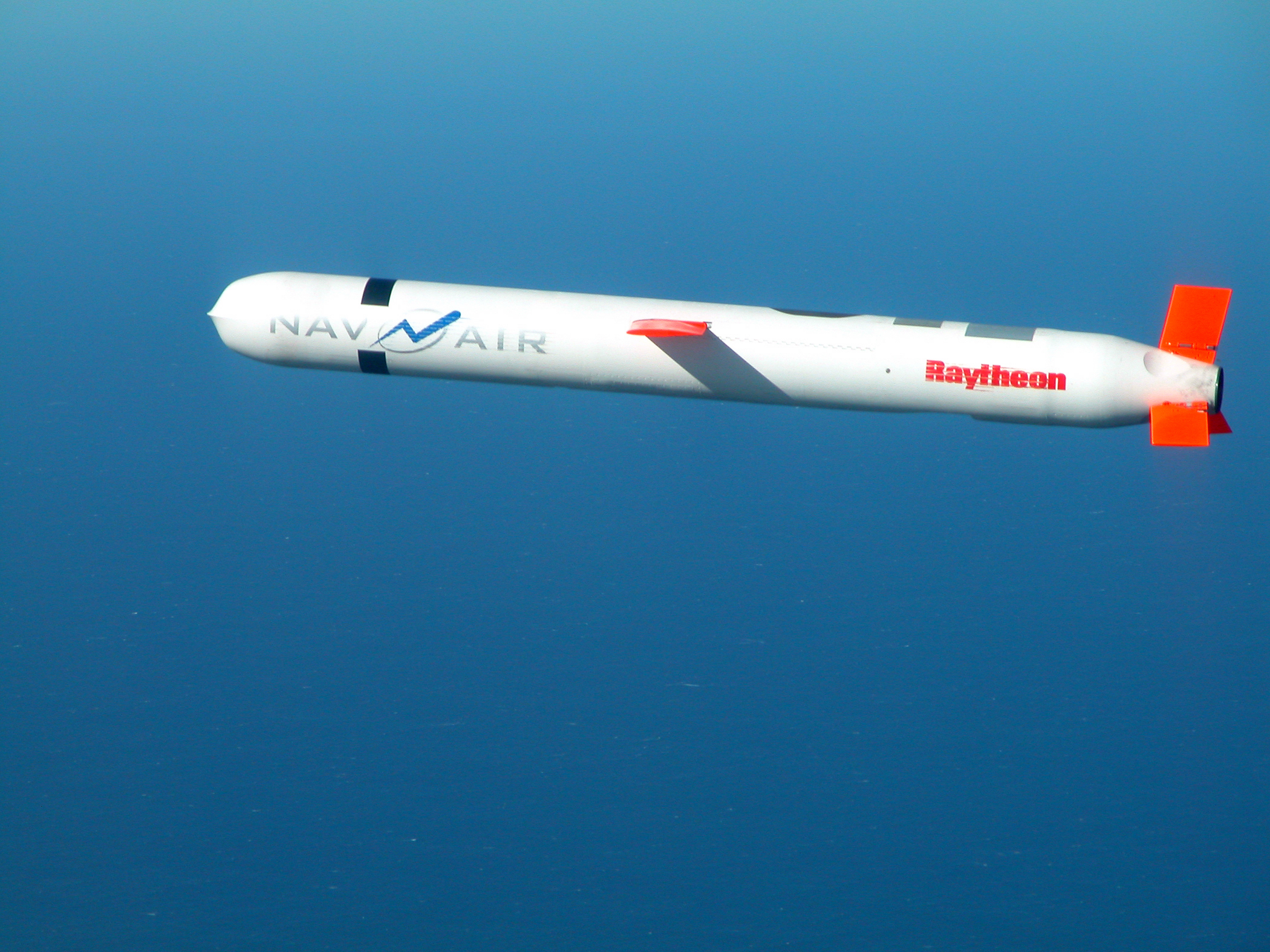
Kalibr
The Kalibr family is a long-range cruise missile equivalent to the Tomahawk. A modular system that can be launched from submarines (submarine launch), surface ships, land, and air. It gained international attention with missiles launched from small Russian corvettes in the Caspian Sea at ISIS/Syria targets over 2,000 km away. In the Ukraine war, it was the primary munition for salvo attacks targeting electrical infrastructure and cities.
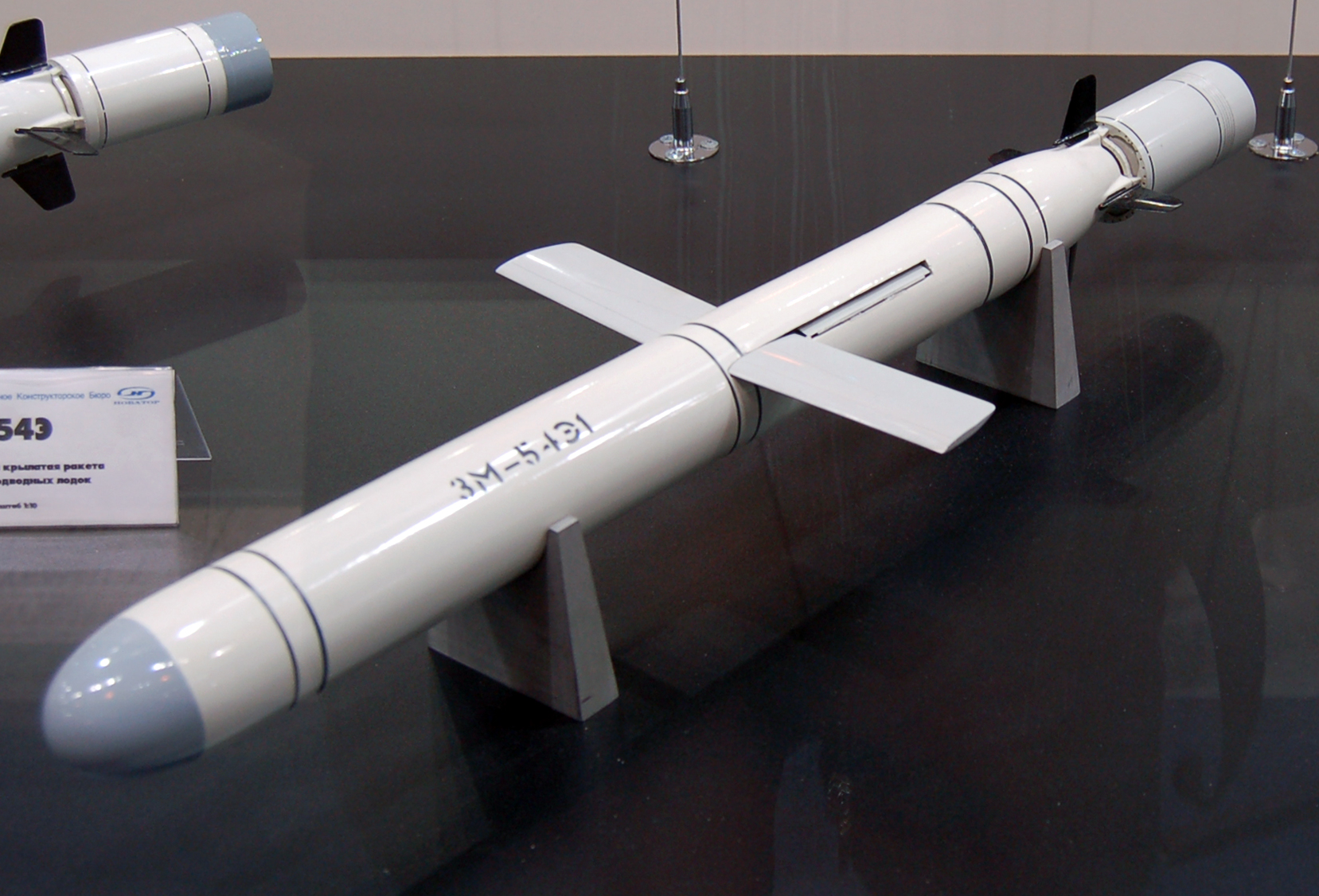
What is Kalibr?
Kalibr (in Russian: Калибр, NATO: SS-N-30 and SS-N-27), is a family of strategic cruise missiles produced by the Russian company Novator (under the umbrella of Tactical Missiles Corp.). It positions itself as the Russian equivalent of the American Tomahawk.
The main variants of the Kalibr family are:
- 3M-14T (land target) — Launched from surface ships, with a range of over 2,000 km, with HE or nuclear warhead.
- 3M-14K (submarine launch) — Launched from a submarine torpedo tube, with the same range.
- 3M-54 Anti-ship — Shorter range (≈220 km), with a supersonic terminal phase, aimed at naval targets.
- 3M-54E1 (export) — Exported to countries like India, Vietnam, Algeria with a more limited range.
- 3M-14E (export) — Export version with the same range limitations.
The characteristics that make Kalibr strategic are:
- Range of over 2,000 km — Can be launched from ships the size of small corvettes, no large ship is required.
- Flies low (≈100 m above ground) — Difficult for radar detection.
- INS + GPS/GLONASS navigation; in the terminal phase electro-optical or radar target recognition.
- The anti-ship variant becomes supersonic in the terminal phase — Reduces the reaction time of defenses.
- Standard on Russian ships with the vertical launch system UKSK 3S14 — A Kalibr or Onyx missile can be launched from a cell.
In Syria, the launch from over 2,000 km by the small Buyan-M and Karakurt corvettes at targets in Syria made global headlines — demonstrating that even small ships can have strategic strike capability. In Ukraine, it became the primary munition for salvo attacks targeting the electrical grid, infrastructure, and urban centers.