Iraq’s Military Strength: The Post-ISIS Inventory (2026)

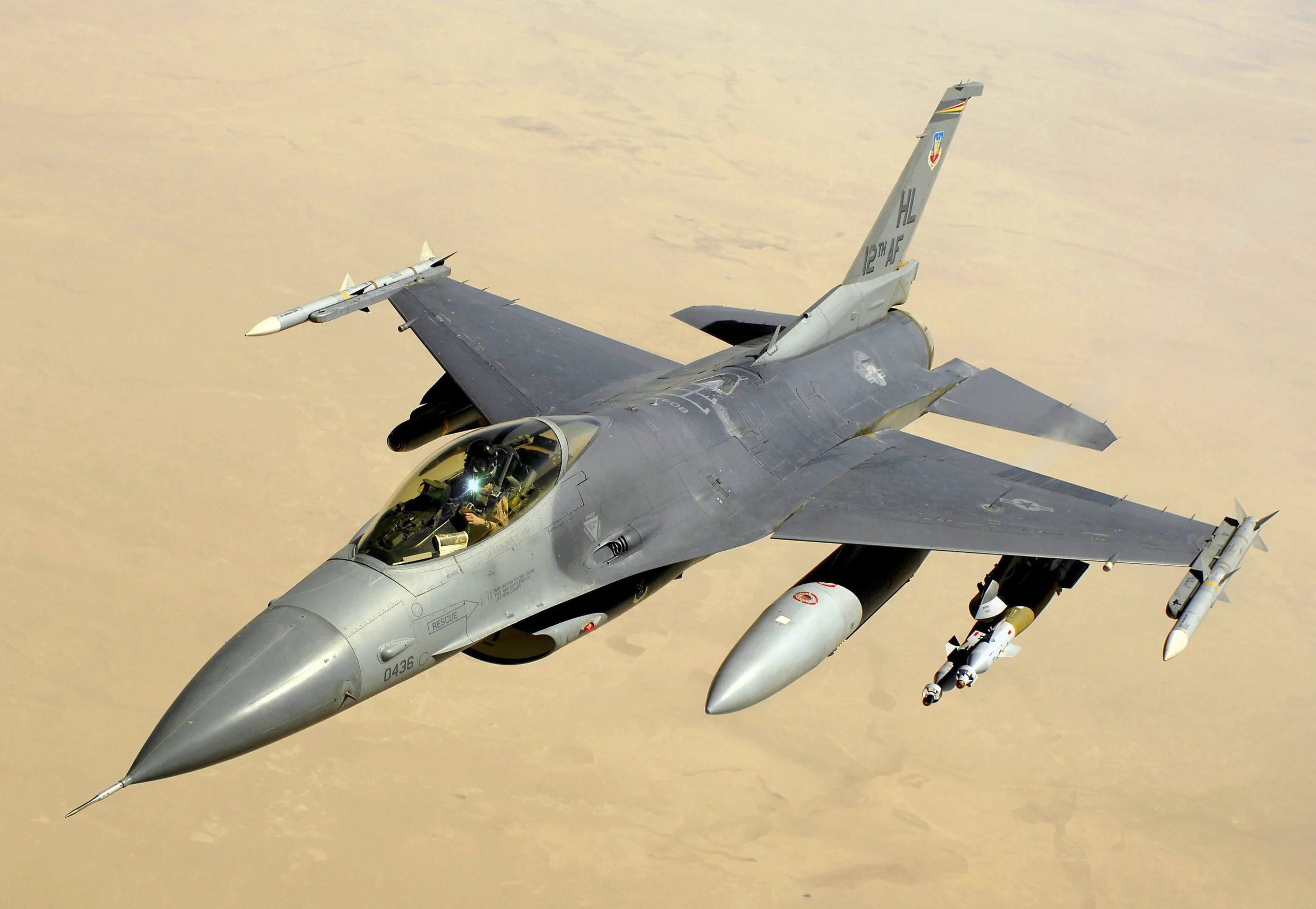
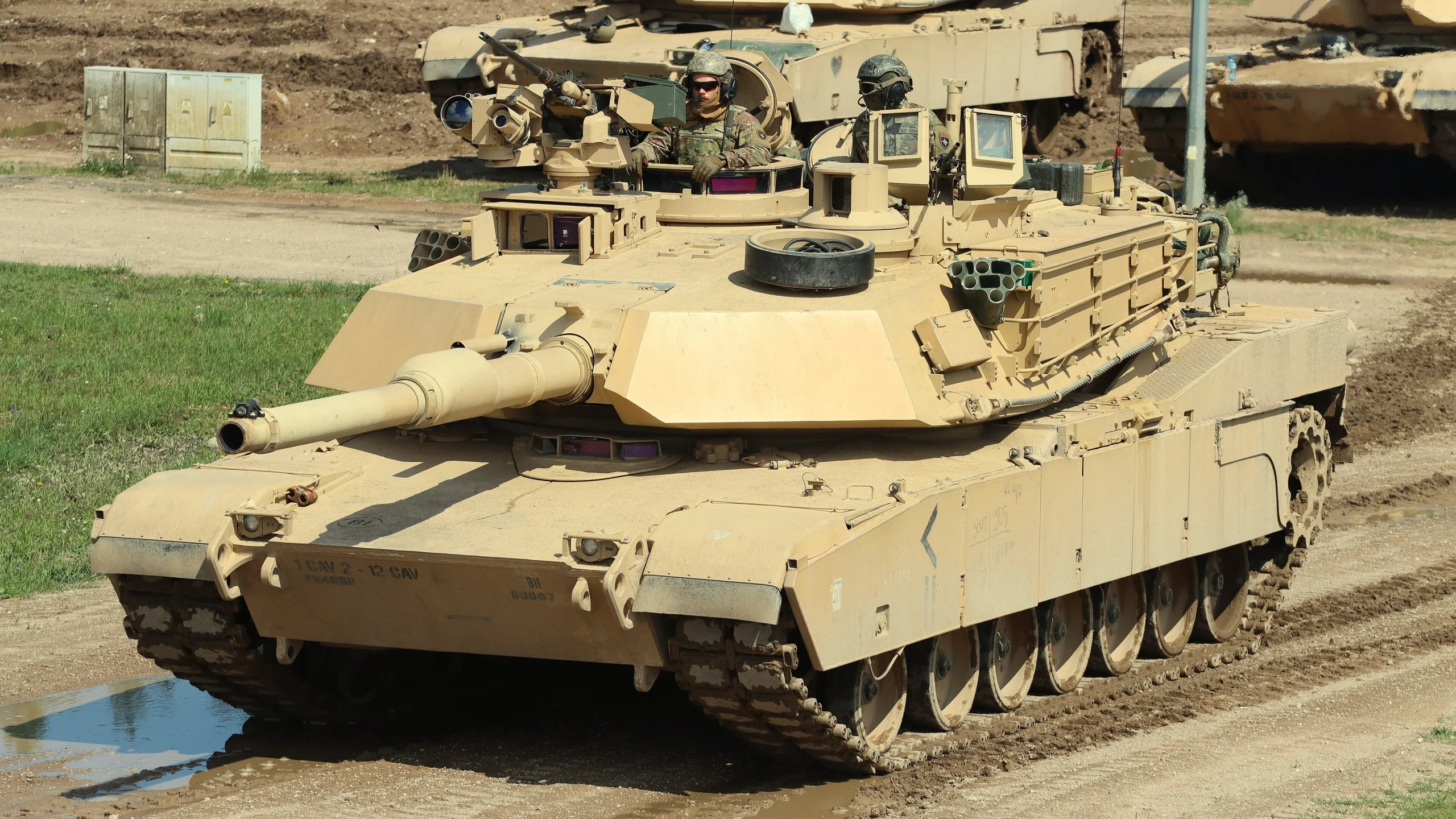
Iraq’s military inventory is a structure rebuilt after the post-2003 collapse and the long fight against ISIS. F-16IQ fighters, M1 Abrams tanks and Chinese CH-series drones reflect the country’s multi-source procurement.
At a Glance
- Active personnel: ≈ 190.000
- Main battle tanks (M1 Abrams, T-72/90): ≈ 350
- Military aircraft (total): ≈ 320
- Key fighter: F-16IQ
- Status: Post-ISIS rebuilding
- Neighbour: Border + economy with Turkey
Note: The inventory figures below are approximate values drawn from open sources such as Global Firepower, the IISS Military Balance and SIPRI.
About the Iraq Armed Forces
The Iraqi Armed Forces were rebuilt during the campaign against ISIS and strengthened with international coalition support. The force structure is shaped by internal security and counter-terrorism rather than interstate war.
Procurement is markedly multi-source: U.S. (F-16, Abrams), Russian (T-90, Mi-28) and Chinese (CH drones, KS-1A) systems serve together. This diversity reflects both a search for independence and external balances.
Land Forces Inventory
| System type | Est. quantity |
|---|---|
| Main battle tanks (M1 Abrams, T-72, T-90) | ≈ 350 |
| Armoured fighting vehicles (M1117, BMP) | ≈ 4.000 |
| Howitzers (M109, towed) | ≈ 200 |
| MLRS | ≈ 50 |
Air Force Inventory
| Platform | Est. quantity |
|---|---|
| Total military aircraft | ≈ 320 |
| Fighters / strike (F-16IQ, L-159, Su-25) | ≈ 50 |
| UAV (CH-4, CH-5) | Recce/strike |
| Helicopters (Mi-28, Mi-35) | ≈ 150 |
Missile and Air-Defence Systems
| System | Type / Note |
|---|---|
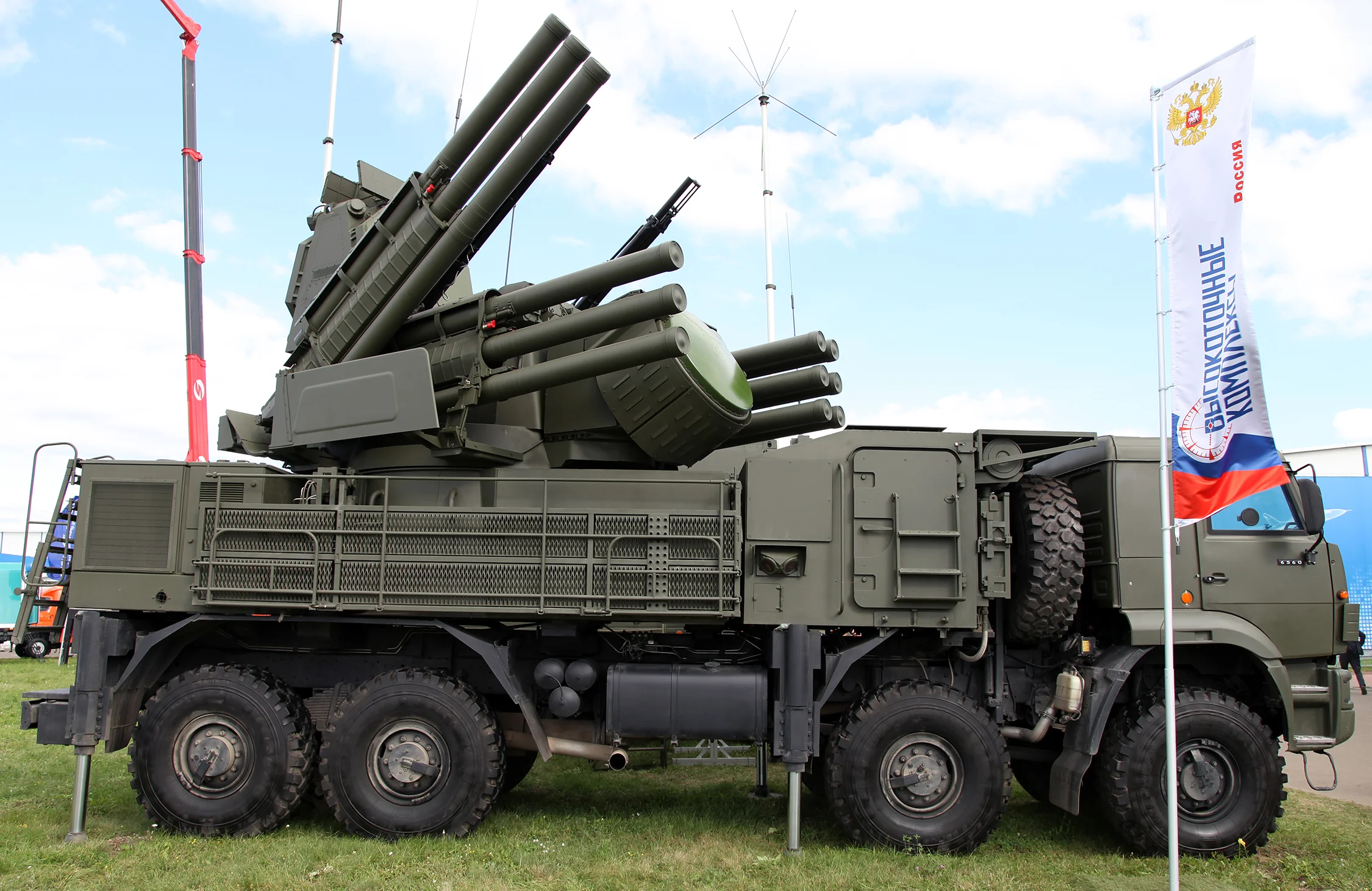
| Pantsir-S1 | Short-range air defence |
| KS-1A (HQ-12) | Medium-range air defence |
| Avenger / MANPADS | Very-short range |
Naval Power
| Class / Type | Est. quantity |
|---|---|
| Total naval platforms | ≈ 60 (Körfez/nehir) |
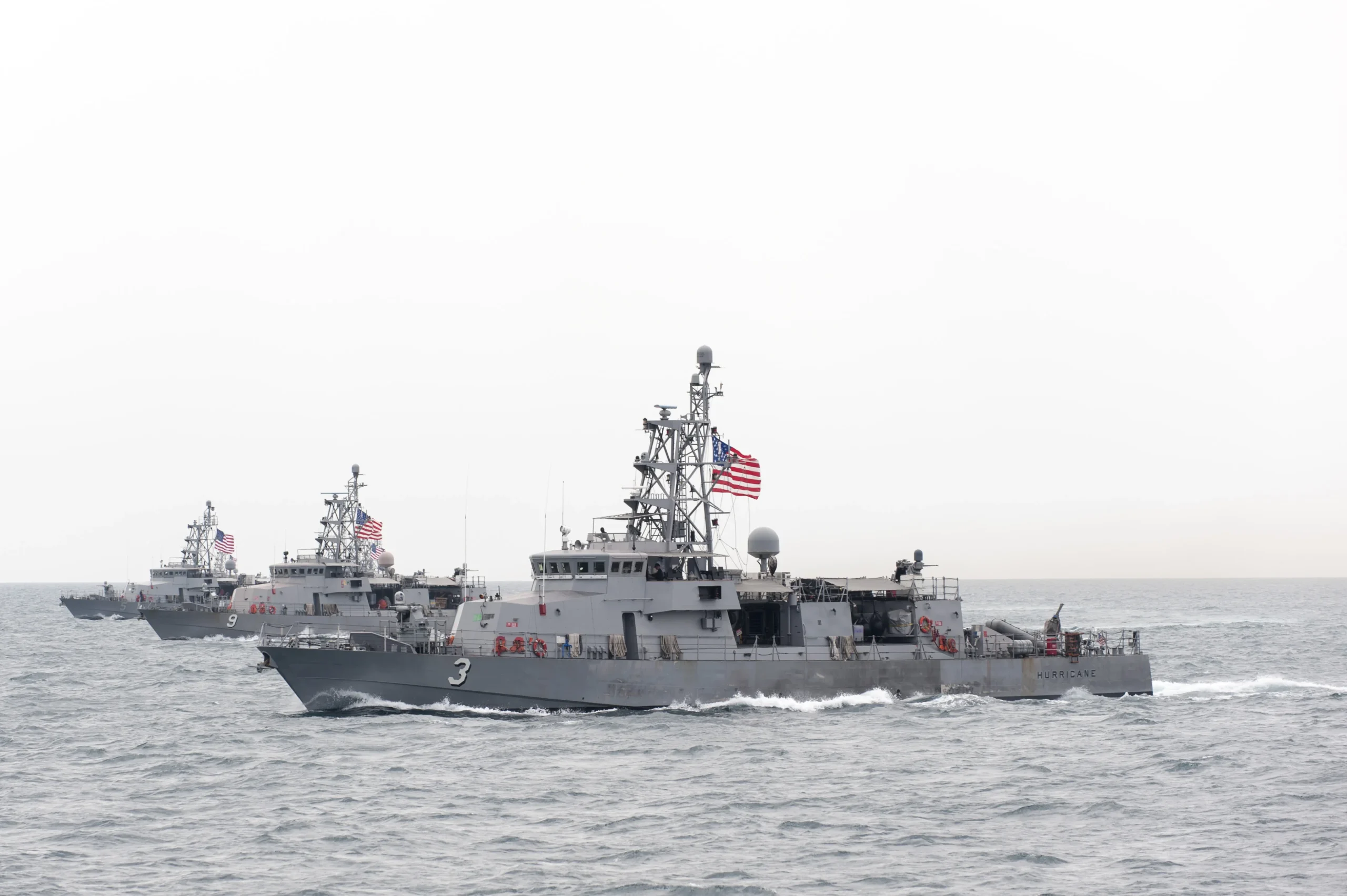
| Offshore patrol vessels (Saettia) | ≈ 4 |
| Fast-attack & patrol boats | ≈ 50 |
The Turkey Angle: Turkish Defence Industry
Iraq is a critical neighbour with which Turkey shares a long land border, economically and in terms of security. The relationship is shaped by border security, counter-terrorism and, recently, major economic projects such as the ‘Development Road’.
In defence, Iraq is a natural potential market for Turkey’s industry. The country’s needs in drones, armoured vehicles and air defence align with Turkey’s advantages of unconditional export and the rapid sustainment that geographic proximity allows. Deepening security cooperation forms a basis that could extend to defence procurement over the medium term.
Frequently Asked Questions
Which fighters does Iraq fly? Its main combat platform is the U.S.-origin F-16IQ; the L-159 and Su-25 light attack aircraft are also in service.
Which drones does Iraq operate? Mainly Chinese-origin CH-4 and CH-5 reconnaissance/strike drones.
From which countries does Iraq procure? The U.S., Russia and China are its main suppliers; this multi-source structure reflects external balances.
Bottom Line
With a post-ISIS rebuilt army and multi-source procurement, Iraq is an internal-security-focused regional actor. For Turkey it is a neighbour shaped by a long border, deep economic ties and security cooperation — one carrying medium-term potential in defence procurement.