Strait of Hormuz Flashpoint: Iran Claims Five Tankers Hit Naval Mines in 48 Hours as Oil Prices Jump

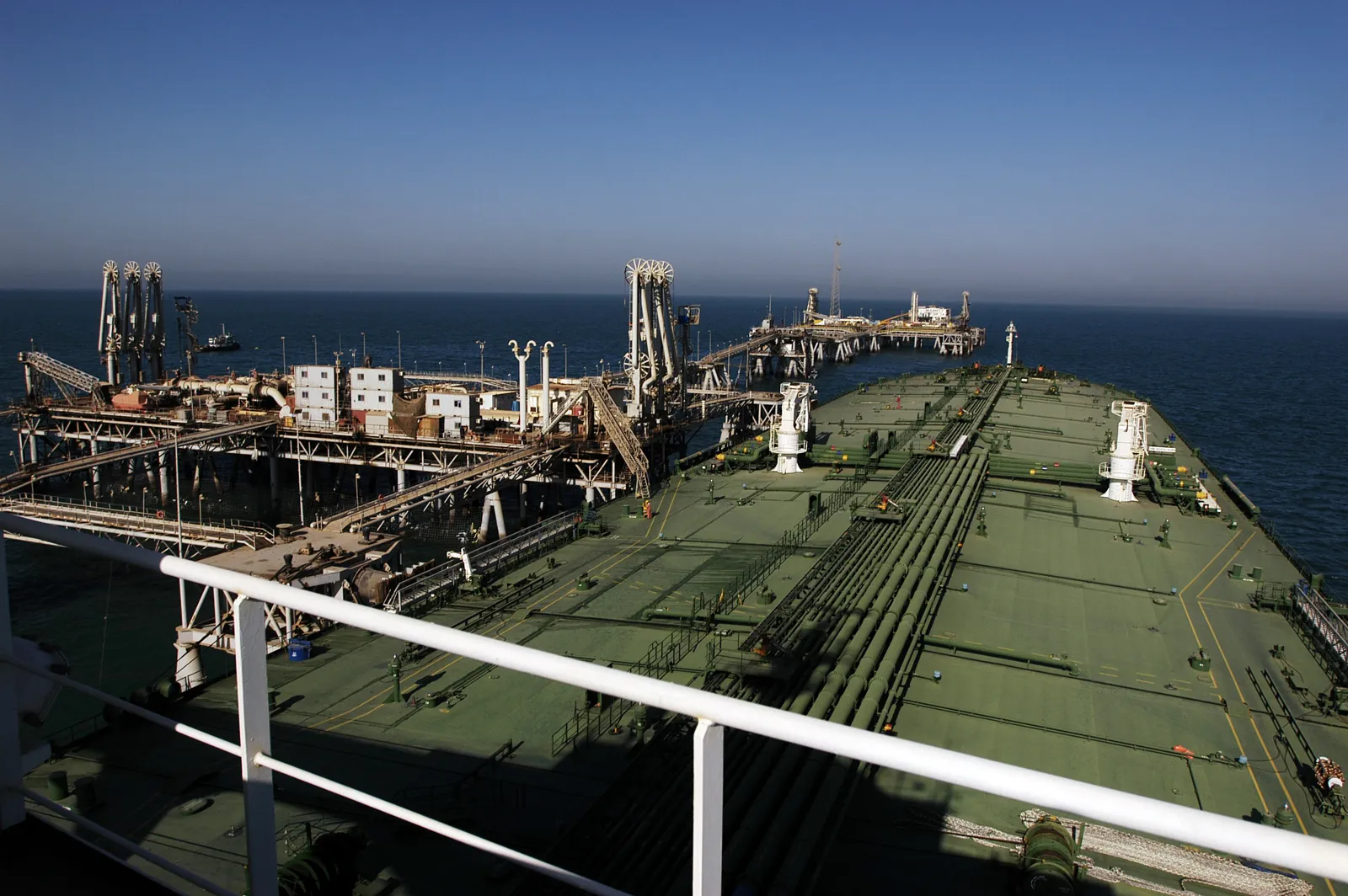
Iran’s armed forces say at least five oil tankers struck naval mines in the Strait of Hormuz over 24 and 25 November 2026, the latest in a series of incidents that has cut traffic through the world’s most important oil chokepoint. None of the Iranian claims has been independently confirmed, but the reports were enough to push Brent crude up 3.5 percent to $94.61 a barrel on 25 November, its highest close in more than a week.
What Iran is claiming
On Tuesday 24 November Iran’s navy said, via the Tasnim news agency, that two oil tankers had hit mines and caught fire after entering a restricted zone east of the strait with their navigation and identification systems switched off. CNBC and The Hill reported a separate Iranian statement that three tankers were hit despite a US naval escort. On 25 November the IRGC Navy said two more tankers had struck mines and caught fire, and on 26 November Iranian media added an LNG carrier to the list. Iran has also warned all vessel owners to coordinate passage with its armed forces.
Al Jazeera, citing shipping reports, said more than 25 tankers had been hit in the week before 24 November. Iranian army commander Amir Hatami called for tighter control of the strait, and IRGC Navy chief Ali Ozmaei warned ships against “unauthorised routes”.
Traffic and prices
AIS tracking data cited by Al Jazeera showed 28 ships crossing in one 24-hour period, carrying about 4.18 million barrels of oil, compared with 125 to 140 transits a day before the war. Because many tankers now sail without transponders, the true figure is uncertain. Brent had been falling in November on expectations of a supply surplus, but the mine reports reversed that move, with WTI rising 2 percent to $83.68.
| Date | Iranian claim |
|---|---|
| 24 Nov | Two tankers hit mines and caught fire |
| 24 Nov | Three tankers hit despite US escort |
| 25 Nov | Two more tankers hit, fires on board |
| 26 Nov | LNG carrier and tankers reported struck |
The blockade context
The US Navy has enforced a blockade of Iranian ports since the collapse of a June memorandum of understanding, and Iran has made lifting the blockade, an end to hostilities and sanctions relief conditions for reopening the strait. The carrier USS Theodore Roosevelt arrived in the region in mid-November to relieve USS George Washington, while 17 US destroyers support the blockade, according to Acting Navy Secretary Hung Cao.
Analysis: mines as leverage
Naval mines are cheap, hard to clear and effective at deterring commercial shipping even when few ships are actually hit. Claims alone raise insurance premiums and slow traffic, which is why Iran’s announcements matter whether or not each incident is confirmed. For Gulf exporters, Asian importers and NATO navies, the episode underlines the value of mine countermeasure capacity, which many Western fleets have allowed to shrink. It also explains why the UK and other navies are now investing in uncrewed mine-hunting systems.
Have the mine strikes been confirmed?
No. The figures come from Iranian military statements and have not been independently verified.
How much oil normally passes through Hormuz?
Before the war, 125 to 140 ships a day used the strait, carrying roughly a fifth of global oil consumption.