Drone Strike Blamed on Iran Kills Two Italian Rheinmetall Technicians at Kuwait Air Defence Site

Two Italian technicians working for Rheinmetall Italia were killed in Kuwait on 26 November 2026 when drones targeted a military installation where they were servicing air defence equipment, according to Kuwaiti and Italian authorities. Kuwait’s Ministry of Defence blamed what it called “heinous Iranian aggression”. Tehran has denied any role. The two men are the first European civilians reported killed in the war that began with US-Israeli strikes on Iran in February.
What happened
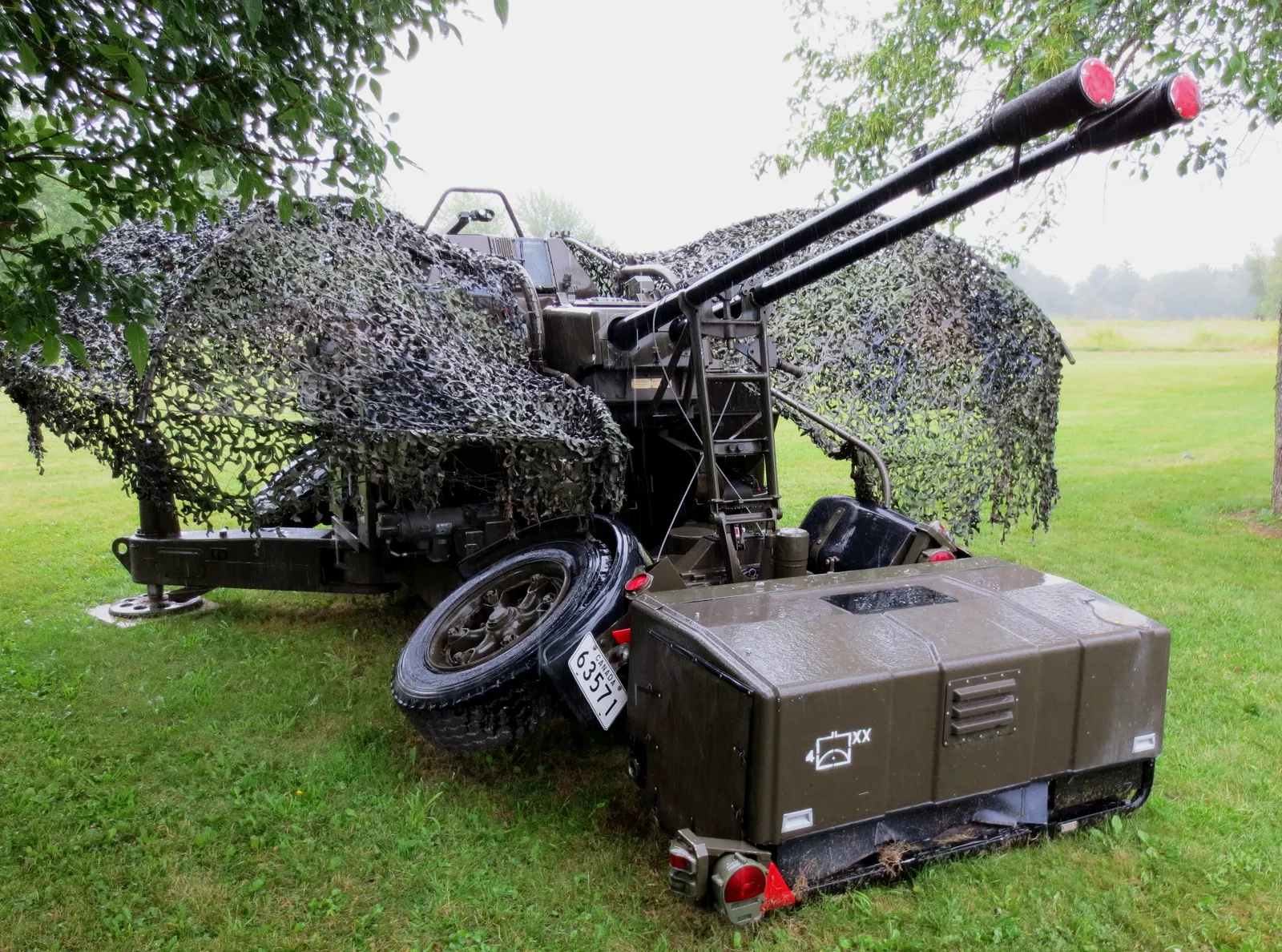
Italian officials said the technicians were maintaining the detection antennas of a Skyguard anti-aircraft system when the attack took place. Kuwaiti Ministry of Defence spokesman Colonel Saud Al-Atwan said forces detected several hostile drones and engaged them, and that a “vital site” was targeted. According to Al Jazeera, the men were killed by falling shrapnel after the drones were intercepted. They were named as Antonio Saccoccio, 65, and Emanuele Lo Russo, 36. A Kuwaiti and a Pakistani national were injured and taken to hospital.
Who is blamed
Italian Foreign Minister Antonio Tajani told parliament that the drones were “of Iranian origin”, and Rome lodged a complaint with Iran’s embassy while urging caution. Kuwait’s Foreign Ministry condemned a “sinful” attack and said it reserved the right to take all measures to protect its sovereignty. Saudi Arabia also condemned what it called Iranian aggression against Kuwait.
Iran rejects the accusation. Its embassy in Rome said it “categorically rejects” the claim, and armed forces spokesman Abolfazl Shekarchi said Iranian forces had conducted no military operations and described the incident as a “false flag”. Analysts quoted by Al Jazeera noted that the drone type is also used by Iran-backed militias, and that an Iraqi armed faction is a possible alternative suspect; the origin has not been independently established.
Why Skyguard matters
Skyguard is a radar-directed fire control system, originally developed by Oerlikon and now part of Rheinmetall, that cues twin 35 mm anti-aircraft guns and short-range missiles. Kuwait has operated it for decades as part of its layered air defence against aircraft, cruise missiles and drones. Foreign technicians from original equipment makers routinely support such systems in the Gulf, which puts defence industry staff close to the front line when sites come under fire.
| Item | Detail |
|---|---|
| Date | 26 November 2026 |
| Victims | Two Rheinmetall Italia technicians killed; two others injured |
| Site | Air defence detection station (Skyguard) |
| Kuwaiti attribution | Iran |
| Iranian position | Denies involvement, calls it a “false flag” |
Analysis: Europe pulled closer to the Gulf war
Kuwait has absorbed hundreds of missiles and drones since the war began; one Kuwaiti analyst put the number at 925. Most attacks have been intercepted, but debris from successful interceptions can still kill. The deaths of two Europeans changes the political temperature in Rome and Brussels. European Commission President Ursula von der Leyen called for more pressure on Tehran, and analysts expect sanctions and more defensive support for Gulf states rather than direct European military action. For defence companies with staff deployed in the region, the incident will prompt fresh reviews of risk and protection.
Who were the victims?
Antonio Saccoccio and Emanuele Lo Russo, technicians employed by Rheinmetall Italia.
Has the attack been independently attributed?
No. Kuwait and Italy point to Iranian-made drones, but Iran denies responsibility and no independent investigation has reported.
Sources
- AeroTime – Italian Rheinmetall technicians killed in Kuwaiti drone explosion
- Al Jazeera – Italians killed in Kuwait: Why is Iran denying responsibility?
- CBS News – Iran accused of carrying out drone attack killing 2 Italians in Kuwait
- The National – Two Italian workers killed in Iranian drone attack on Kuwait