France Turns the A400M Into a Flying Command Node: ISR, a Drone Mothership and Collaborative Combat

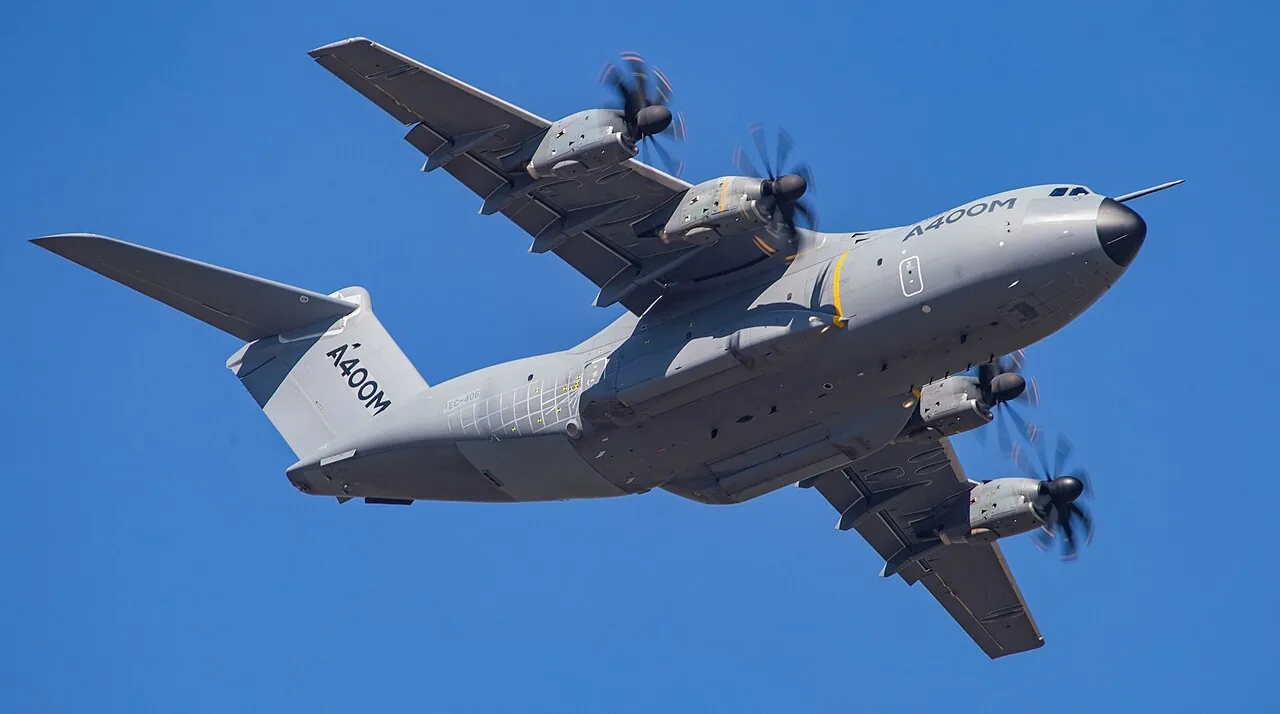
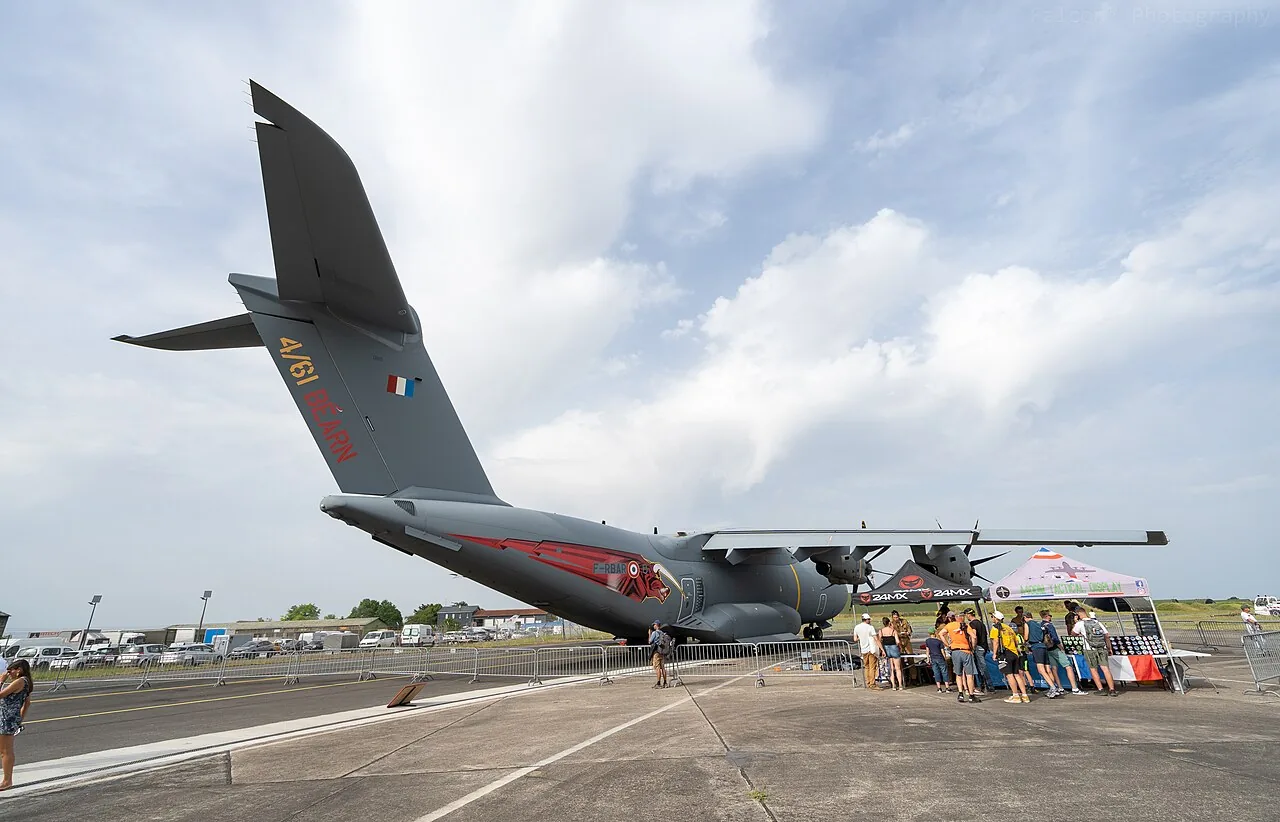
Designed as a transport, the A400M is being prepared for a far broader role in France. According to The Defense Post’s 24 June 2026 report, Airbus Defence and Space will develop a modular mission system fitted in the cargo hold of French A400Ms.
Called the Parallel Mission System (PMS), the kit adds ISR capability, tactical command-and-control consoles and high-bandwidth communications. As Defence Industry Europe reported, the contract was signed on 16 June 2026 with OCCAR, acting on behalf of France’s Directorate General of Armaments (DGA).
Background: From Transport to Mission Platform
The A400M is a strategic-tactical transport that can carry up to 37 tonnes on four Europrop TP400-D6 turboprops and operate from short, unprepared runways. France’s fleet numbers 25 A400M, with first delivery in 2013.
The new move aims to turn this large airframe from a single-role cargo aircraft into a multi-mission platform. According to Airbus, the PMS will integrate additional sensors and communications and let the crew coordinate missions involving ground troops, helicopters and fighters in a collaborative combat mode.
What the Parallel Mission System Does
The PMS comprises a cargo-hold mission system, an optronic sensor, operator consoles and a high-bandwidth communications hub replacing previous narrowband systems. This turns the A400M into a flying command-and-control and ISR node for forces in the field. France plans to order six complete PMS kits (mission system and sensor) and modify 20 A400M.
Airbus Defence and Space is already pursuing further capabilities: long-range jamming, a mothership function to release drones and missiles in flight, an increase in payload to 40 tonnes, and firefighting. This roadmap shows large transports taking a central role in the unmanned, network-centric warfare of the future.
| Item | Detail |
|---|---|
| Platform | Airbus A400M Atlas |
| New system | Parallel Mission System (PMS) |
| Capabilities | ISR, tactical C2, collaborative combat, drone/missile launch |
| Contract | Airbus D&S ↔ OCCAR (for French DGA), 16 Jun 2026 |
| Scope | 6 PMS kits + 20 aircraft modified |
| First install | 2027 (flight test 2028) |
| French fleet | 25 A400M |
| Future roles | Jamming, mothership, 40 t payload, firefighting |
Regional Context: Big Aircraft Become Drone Motherships
France’s move is part of a global trend toward turning large platforms into launch-and-control hubs for unmanned systems. The war in Ukraine showed that cheap, numerous unmanned systems shape the battlefield, making the platforms that carry, manage and network them critical.
A transport that can release dozens of drones or missiles from its cargo hold redefines air power through low-cost mass. The U.S. Rapid Dragon and various nations’ ANKA-3, Kızılelma and similar concepts follow the same logic: cheap, distributed effects instead of a single expensive platform.
Why It Matters for Türkiye
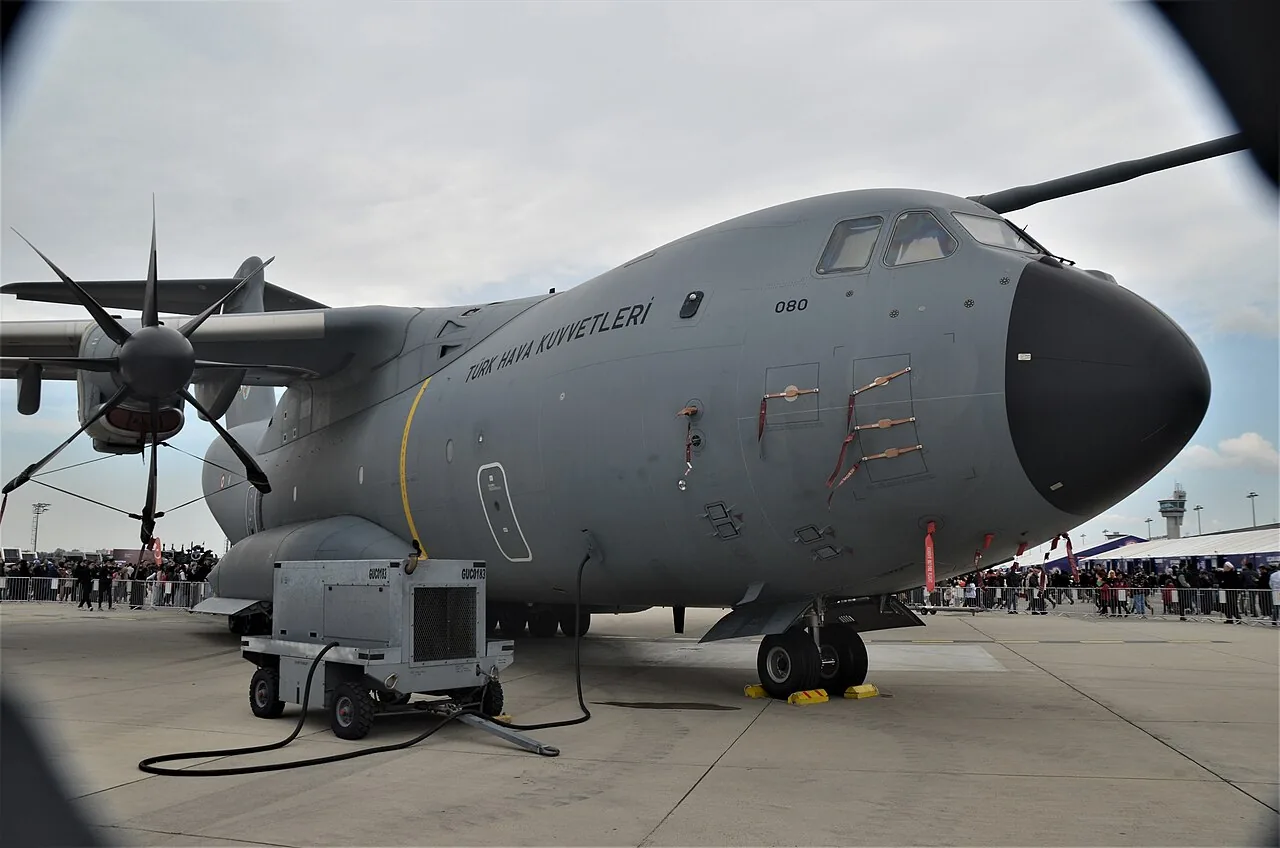
This development matters directly to Türkiye, because Türkiye is both a co-producer and an operator in the A400M programme. Turkish Aerospace Industries (TUSAŞ) manufactures structural components for every A400M, and the Turkish Air Force operates its own A400M fleet. A mission-system upgrade of the kind France is developing is therefore technically within reach for Türkiye too.
Moreover, Türkiye is strong in the mission-system and ISR ecosystem: HAVELSAN develops command-and-control and mission systems, ASELSAN provides sensors, electronic warfare and communications, and the ANKA-S, ANKA-3 and AKSUNGUR long-endurance ISR platforms are in service. Almost all the building blocks to turn an A400M into a flying command-ISR node already exist in Türkiye.
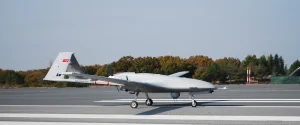
The most striking point is the mothership concept: Türkiye is already a leader in manned-unmanned teaming and air-launched effects. The Bayraktar Kızılelma unmanned combat aircraft, ANKA-3 and Baykar’s drone-launches-drone/munition work show that Türkiye is advancing independently toward the very future France is targeting for the A400M.
Frequently Asked Questions
What is the Parallel Mission System?
Who signed the contract and when?
When will the new capabilities arrive?
What is Türkiye’s link to this?
Conclusion
France’s decision to turn the A400M into a flying command, ISR and drone-mothership platform shows large aircraft being repositioned for the network-centric, unmanned warfare of the future. Türkiye — as a programme partner and through its mission-system and unmanned expertise — appears independently ready for that shift.
Sources
- The Defense Post — “France to Equip A400M With New Command-and-Control and ISR Capability” (24 Haziran 2026)
- Defence Industry Europe — “Airbus to develop Parallel Mission System for French A400M aircraft to add ISR and tactical command capabilities”
- Airbus — “New ISR capabilities for France’s A400M” (basın bülteni)
- Defense Mirror — “French DGA to Add Collaborative Combat, ISR Mission Capability to A400M Aircraft”