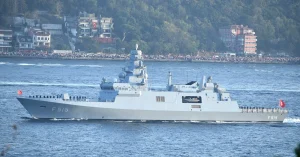
Norway Orders More Kongsberg NSM Missiles for Denmark’s Navy

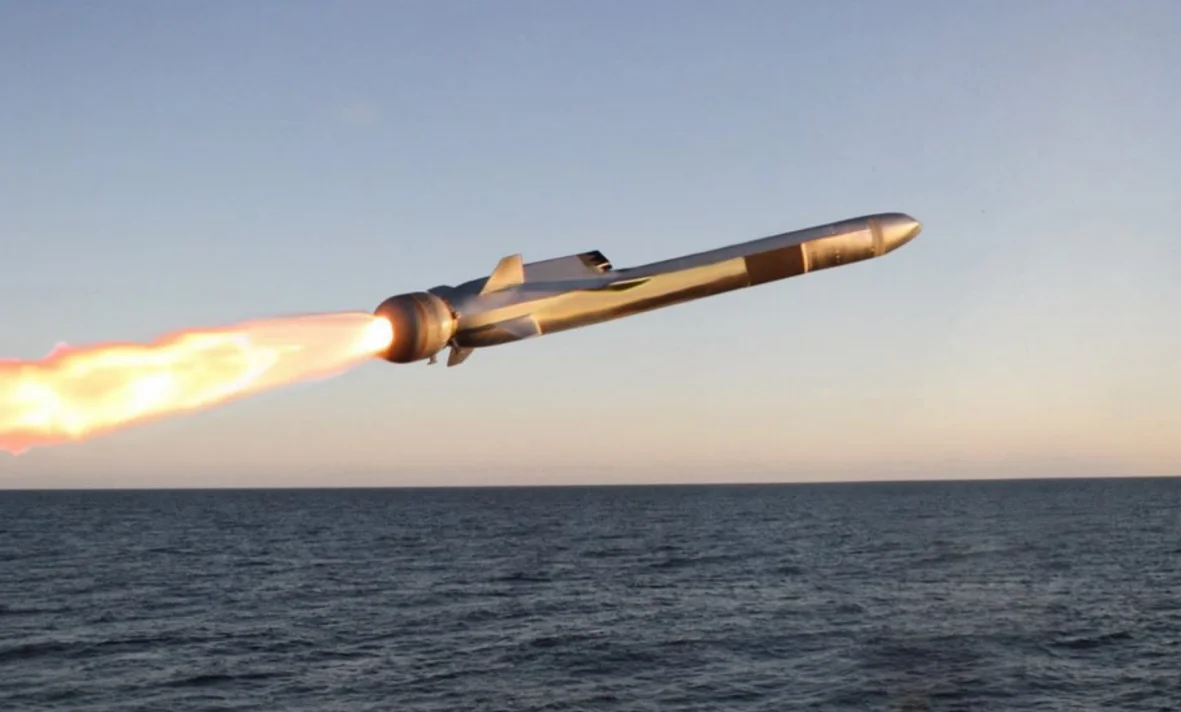
A supplementary contract under the Norway-Denmark joint procurement framework speeds up the frigate missile swap and expands NATO’s northern-flank strike reach.
Norway’s Defence Materiel Agency (FMA) has signed a supplementary contract with Kongsberg worth approximately NOK 400 million under the long-running joint Nordic procurement arrangement between Norway and Denmark. The order covers an additional batch of Naval Strike Missiles (NSM) destined for the Royal Danish Navy’s frigates.
The agreement is the latest chapter in a defense materiel partnership between the two Nordic countries that has spanned years. Kongsberg-built NSM is positioned to fully replace the US-made Harpoon missile that has equipped Danish frigates for decades, closing out a transition that has been underway in stages.
Norwegian Defence Minister Tore O. Sandvik said of the deal that “the Nordic countries and the whole of NATO are now arming our defenses.” Royal Danish Navy Commander Steen Balslev added that “at the same time, we are strengthening the Navy’s missile capacity.” FMA Director Gro Jære called the contract “yet another example of the close defense materiel cooperation between Norway and Denmark.”
NSM is a fire-and-forget missile that relies on a passive imaging infrared seeker and terrain-reference navigation rather than active radar homing, flying at sea-skimming altitude to reduce the chance of detection. That signature has made it an increasingly popular choice among NATO navies seeking reliable hit probability even in contested electronic-warfare environments.
Neither the contract value breakdown nor the exact number of missiles to be delivered was disclosed, a common practice in defense procurement announcements. FMA did confirm, however, that the deal extends beyond ship-launched missiles: deliveries of Denmark’s land-based NSM Coastal Defence System are expected to begin within 2026, part of a parallel push to reinforce both sea- and land-based deterrence at the same time.
For Kongsberg, the contract consolidates the company’s market position among NATO member states. The Norway-based manufacturer has expanded NSM integration beyond Scandinavian navies to platforms such as the US Marine Corps’ NMESIS launcher, reinforcing its role as a supplier on both sides of the Atlantic.
Seen in a regional context, the missile inventory modernization comes as perceptions of a Russian-originated threat in the Baltic Sea have grown, aligning with broader NATO efforts to reinforce deterrence along its northern flank. Denmark, given its geographic control of the Baltic Sea’s exit points and its role in NATO’s maritime security architecture, treats this missile modernization as a strategic priority rather than a routine upgrade.
The shift from Harpoon to NSM also carries an industrial dimension. Where Harpoon’s export approvals and resupply depend on decisions made in Washington, NSM’s Kongsberg-run supply chain runs through the Norway-Denmark axis, giving both countries more control over their own program timelines. A similar push toward supply-chain independence has become visible across a number of European NATO members in recent years.
Neither FMA nor Kongsberg has released a public delivery schedule or missile count, citing commercial confidentiality, though the stated 2026 timeline for coastal-system deliveries suggests the program is being pushed forward under some schedule pressure. Observers will be watching for a formal delivery announcement in the coming months, which would confirm whether the frigate missile swap is proceeding on the pace the two governments have indicated.
Sources:
- Naval News, “Denmark Procures Additional Naval Strike Missiles from Kongsberg,” October 19, 2026, https://www.navalnews.com/naval-news/2026/10/denmark-procures-additional-naval-strike-missiles-from-kongsberg/ — contract value, parties and official quotes used throughout.