Colombia’s Military Strength: Tanks, Jets and Warships (2026)

Colombia’s military inventory is one of the clearest examples of how threat perception shapes an army. Because the country does not anticipate a large-scale conventional war with its neighbours, it never invested in heavy armoured formations; instead it concentrated its budget on mobility in mountainous and jungle terrain, air assault, reconnaissance-surveillance and river control. That choice shows up in the inventory as helicopters instead of tanks, light attack platforms instead of fighters, and riverine combat assets instead of a blue-water fleet.
At a Glance
- Active personnel: ≈ 293.000
- Main battle tanks: None
- Military aircraft (total): ≈ 470
- Key platform: Kfir / UH-60 / Almirante Padilla
- GFP ranking: ≈ 45
- Submarines: ≈ 4
Note: The inventory figures below are approximate values drawn from open sources such as Global Firepower, the IISS Military Balance and SIPRI.
About the Colombia Armed Forces
The Colombian Armed Forces comprise the Army (Ejército Nacional), Air Force (Fuerza Aérea Colombiana) and Navy (Armada de Colombia), and with around 293,000 active personnel they form one of Latin America’s largest militaries. The roughly 180,000-strong National Police, subordinate to the Ministry of Defence, is an integral part of the security structure. This manpower density stems from the area-control nature of decades of internal conflict.
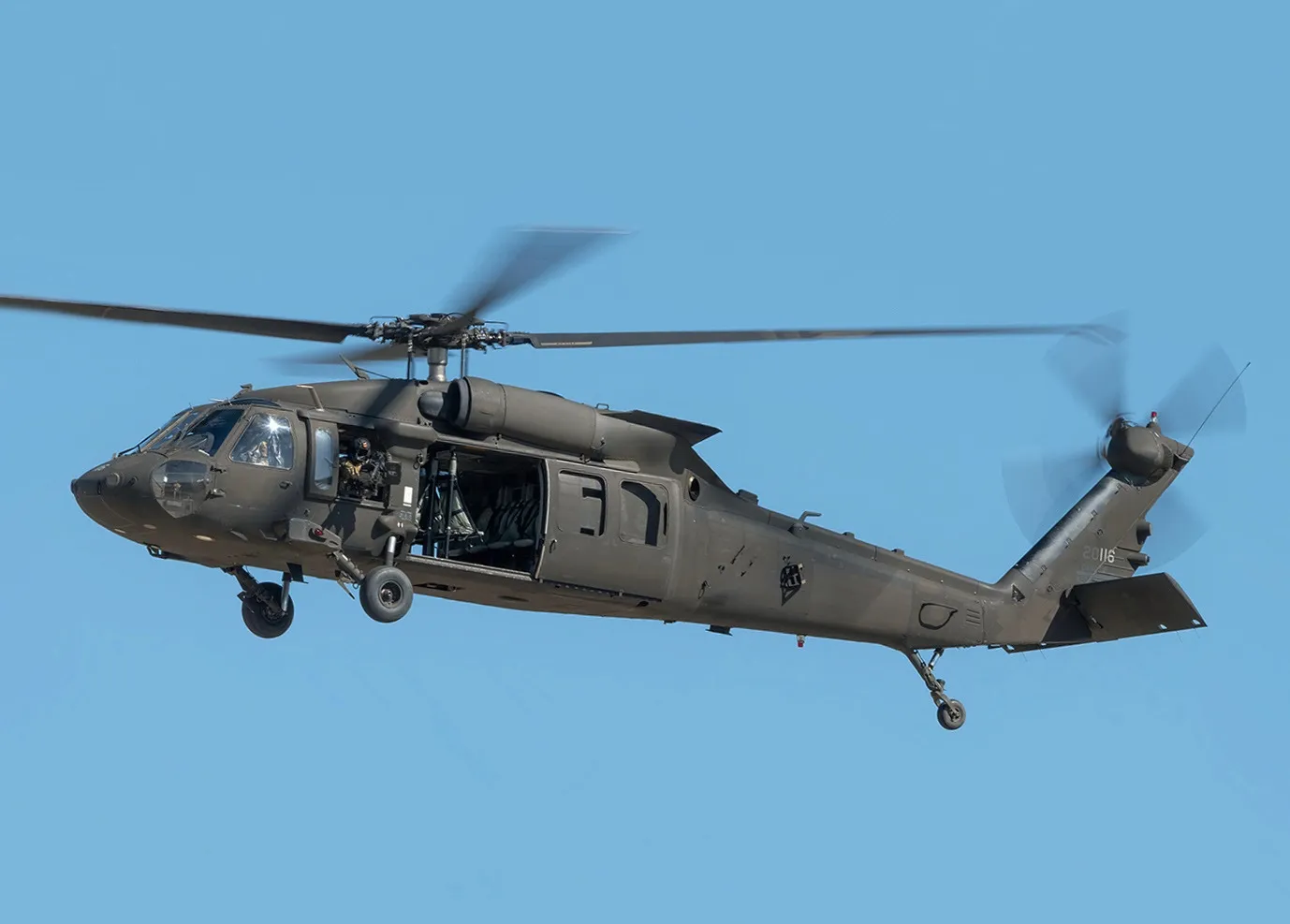
Colombia is the only South American state holding US Major Non-NATO Ally status, and much of its inventory bears the imprint of that relationship: UH-60 Black Hawk helicopters, C-130 transports and M113 armoured vehicles all came through this channel. In recent years, however, procurement has been diversifying; the selection of the Gripen E/F to replace the Israeli-built Kfir fleet and the order for KC-390 tanker-transports from Brazil reflect Bogotá’s new line of reducing single-source dependence. On the industrial side, the state shipyard COTECMAR has built offshore patrol vessels and riverine platforms domestically, accumulating a notable indigenous capability.
Land Forces Inventory
| System type | Est. quantity |
|---|---|
| Main battle tanks | Not in inventory (by doctrine) |
| Armoured reconnaissance vehicles (EE-9 Cascavel, M8 Greyhound) | ≈ 130 |
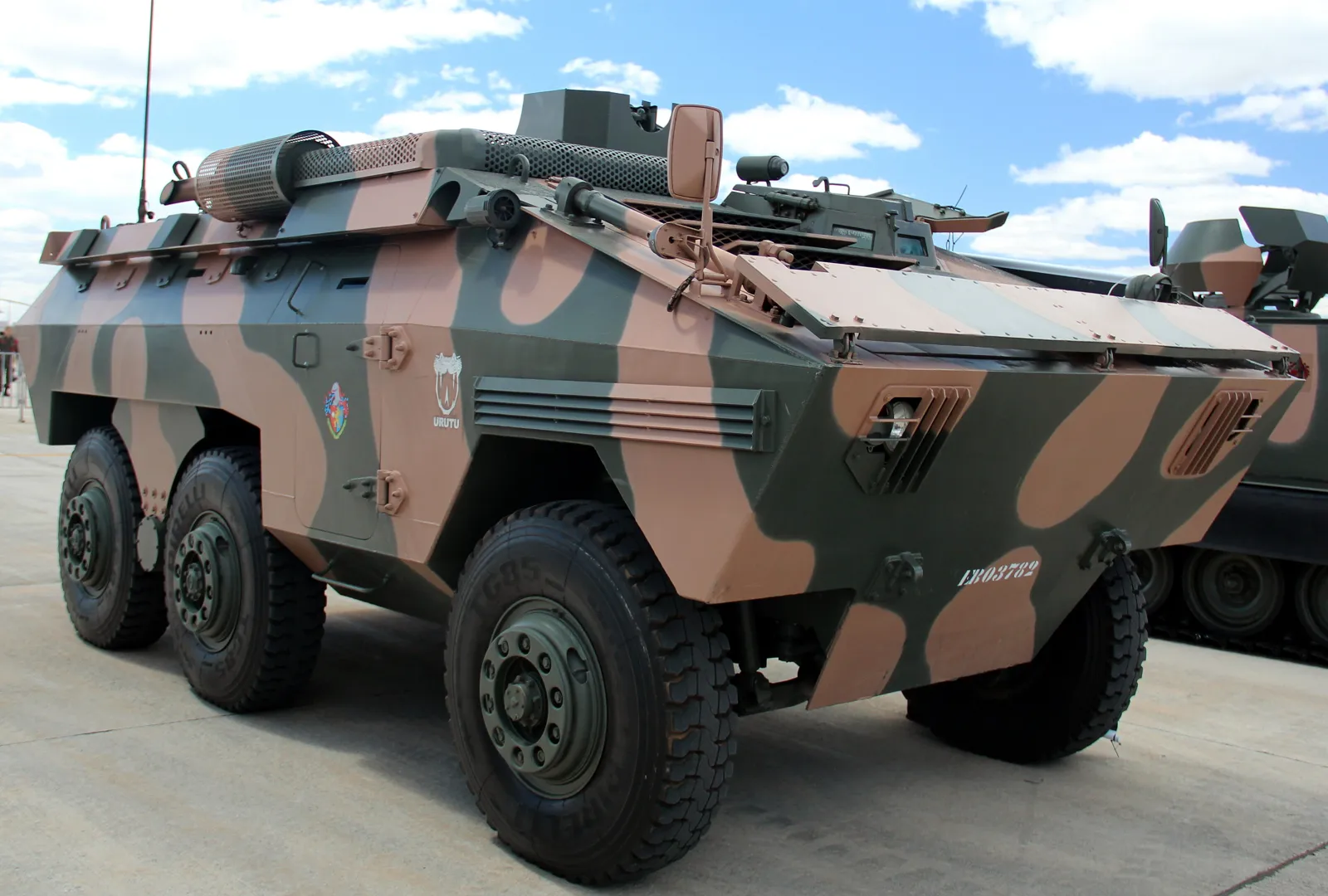
| Armoured personnel carriers (M113, LAV-III, EE-11 Urutu and mine-resistant wheeled vehicles) | ≈ 800 |
| Artillery — towed and mortars (M101 105 mm, Oto Melara Mod 56, 120 mm mortars) | ≈ 200 |
Air Force Inventory
| Platform | Est. quantity |
|---|---|
| Total military aircraft | ≈ 470 |
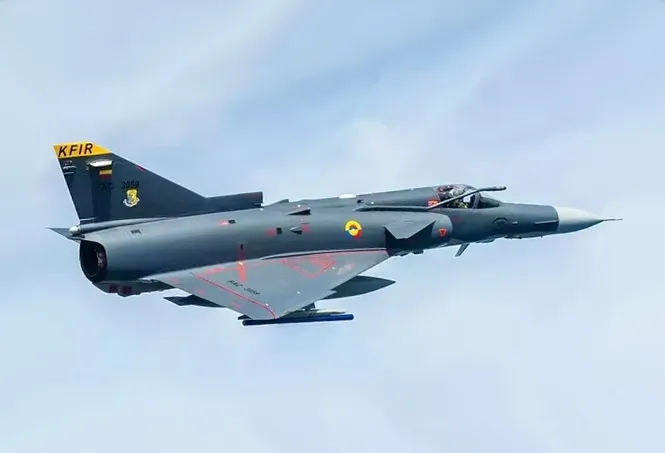
| Fighters (IAI Kfir C10 / C12 — replacement process with the Gripen E/F) | ≈ 20 |
| Light attack / counter-insurgency (A-29B Super Tucano, AC-47T Fantasma, A-37 Dragonfly) | ≈ 40 |
| Helicopters (UH-60L / Arpía IV, Bell UH-1H Huey II, MD-500, Mi-17) | ≈ 240 |
Missile and Air-Defence Systems
| System | Type / Note |
|---|---|
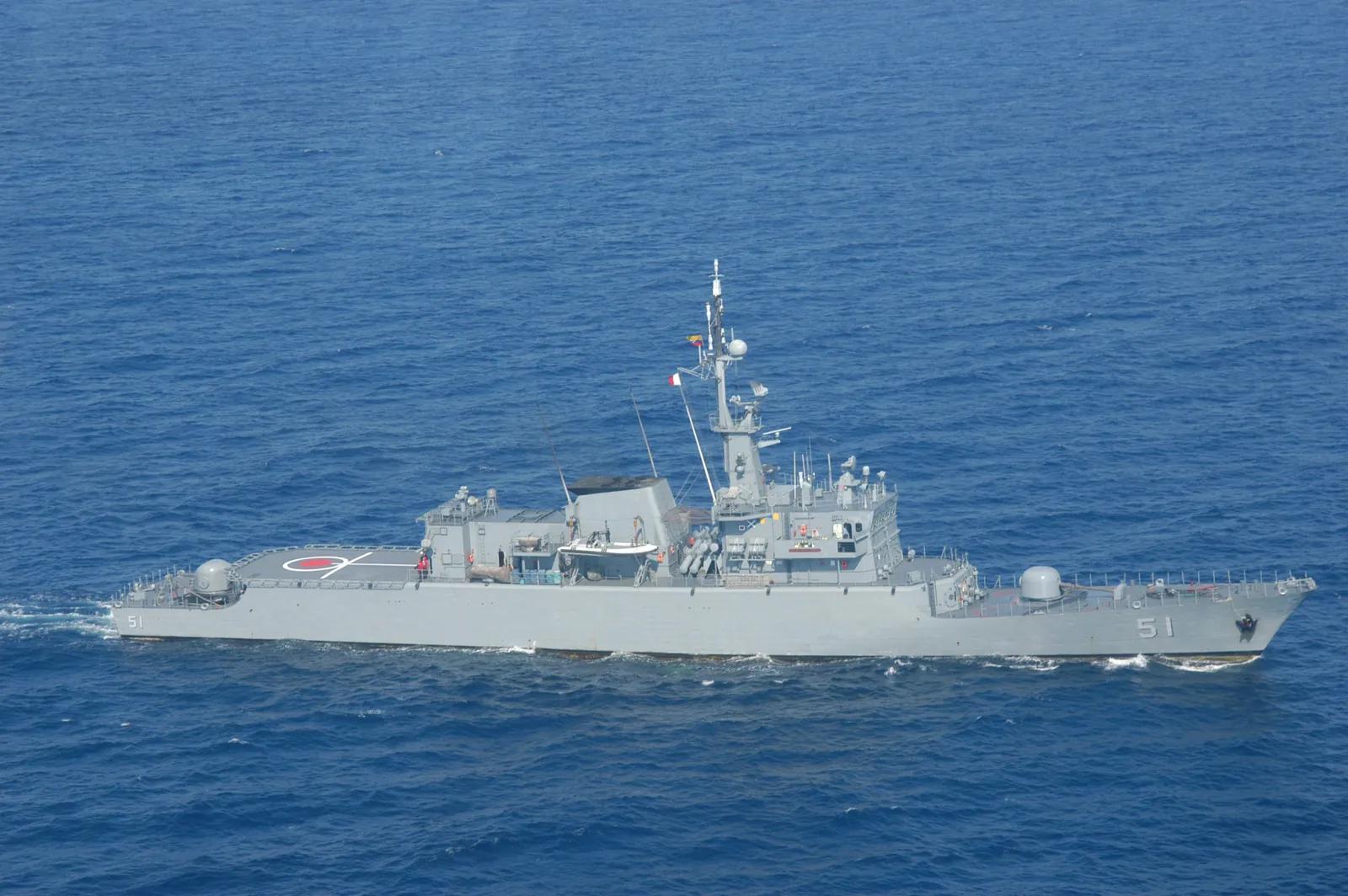
| Otomat Mk2 anti-ship missile (Almirante Padilla-class frigates) | Naval strike capability |
| Short-range air defence (MANPADS, 23-35 mm gun systems) | Limited point defence |
| Air-to-ground guided munitions (laser-guided bombs; Kfir and Super Tucano integration) | Tactical strike |
| Long-range air defence / ballistic missiles | Not in inventory |
Naval Power
| Class / Type | Est. quantity |
|---|---|
| Frigates (Almirante Padilla-class — FS-1500, German-built) | ≈ 4 |
| Submarines (Type 209/1200 Pijao-class + Type 206A coastal boats) | ≈ 4 |
| Offshore patrol vessels — OPV (20 de Julio-class, built domestically by COTECMAR) | ≈ 6 |
| Riverine combat assets (Nodriza support ships, riverine patrol and assault craft) | ≈ 100+ |
The Turkey Angle: Turkish Defence Industry
There is no concluded large-scale defence procurement contract between Turkey and Colombia to date, so the relationship should be read as an opening market rather than through an existing delivery. The structural obstacle is clear: Colombia holds US Major Non-NATO Ally status and has been tied for decades to a Washington-centred supply and sustainment ecosystem. Yet that picture is changing; the choice of a non-US fighter (Gripen E/F) to replace the Kfirs and the purchase of Brazilian transports are genuine signs that Bogotá is willing to diversify its sources. The regular presence of Turkish defence firms at Latin American defence exhibitions, including Expodefensa in Bogotá, provides the groundwork for such an opening.
The overlap in requirements is strong. Colombia’s vast jungle and mountain geography creates natural demand for persistent reconnaissance-surveillance — a mission it largely meets today through expensive and demanding manned flight hours — placing tactical and strategic UAVs (Bayraktar TB2, Akıncı) squarely in the frame. Internal security and convoy protection duties are the direct target market for mine-resistant tactical wheeled armour such as the Otokar Cobra II and Nurol Ejder Yalçın. The need for an attack helicopter in counter-insurgency over mountainous terrain aligns with the precedent the T129 ATAK established in the Philippines. At sea, COTECMAR’s tradition of domestic construction offers ground compatible with the Turkish approach built on technology transfer and joint production, as in the MİLGEM programme. In short, Colombia is not a realized export success today; but it is one of the countries offering a concrete window of opportunity in Turkey’s Latin American outreach.
Frequently Asked Questions
How many battle tanks does Colombia have? Colombia has no main battle tanks in its inventory. This is not a shortfall but a deliberate doctrinal choice: the army was structured for counter-insurgency and counter-narcotics operations in mountainous and jungle terrain rather than for conventional armoured warfare against its neighbours. Its armoured strength rests on EE-9 Cascavel reconnaissance vehicles, M113 personnel carriers and mine-resistant wheeled armour.
Which combat aircraft does Colombia operate? Its supersonic fighter force rests on a fleet of Israeli-built IAI Kfir C10/C12s, with roughly 20 aircraft in the inventory. In 2025 the Swedish Saab Gripen E/F was selected to replace this ageing fleet. Alongside them serve A-29B Super Tucano light attack aircraft, AC-47T Fantasma gunships and a broad training and transport fleet.
How many submarines does Colombia have? The Colombian Navy operates around four submarines: two German-built Type 209/1200 Pijao-class boats plus smaller Type 206A coastal submarines. The navy’s real distinguishing feature, however, is riverine rather than blue-water capability; with Nodriza support ships and hundreds of riverine patrol and assault craft it fields the region’s most developed riverine combat force.
Does Colombia have defence cooperation with Turkey? There is currently no concluded major procurement contract; the relationship is at the level of a potential market. Although Colombia’s US-centred procurement tradition is a structural obstacle, the Gripen and KC-390 choices show an openness to diversifying sources. A clear requirement profile overlapping with the Turkish industry exists along the UAV, mine-resistant armoured vehicle and attack helicopter axes.
Bottom Line
Colombia is one of the most instructive cases for reading an inventory against threat perception: an army without a single main battle tank, yet one of the region’s largest helicopter fleets and its most developed riverine navy. That structure is the product of more than sixty years of internal conflict and is coherent on its own terms. The weak links are equally clear: air defence is limited, the fighter fleet is ageing and there is no strategic strike capability. The Gripen E/F selection and the KC-390 order show that a long US-centred supply line has begun to diversify. For Turkey, Colombia is not a realized export today; but along the UAV, tactical armoured vehicle and attack helicopter axes it is a market with an overlapping requirement profile that deserves serious attention in the Latin American outreach.