How does the ARES 150 BOLD compare with foreign rivals?

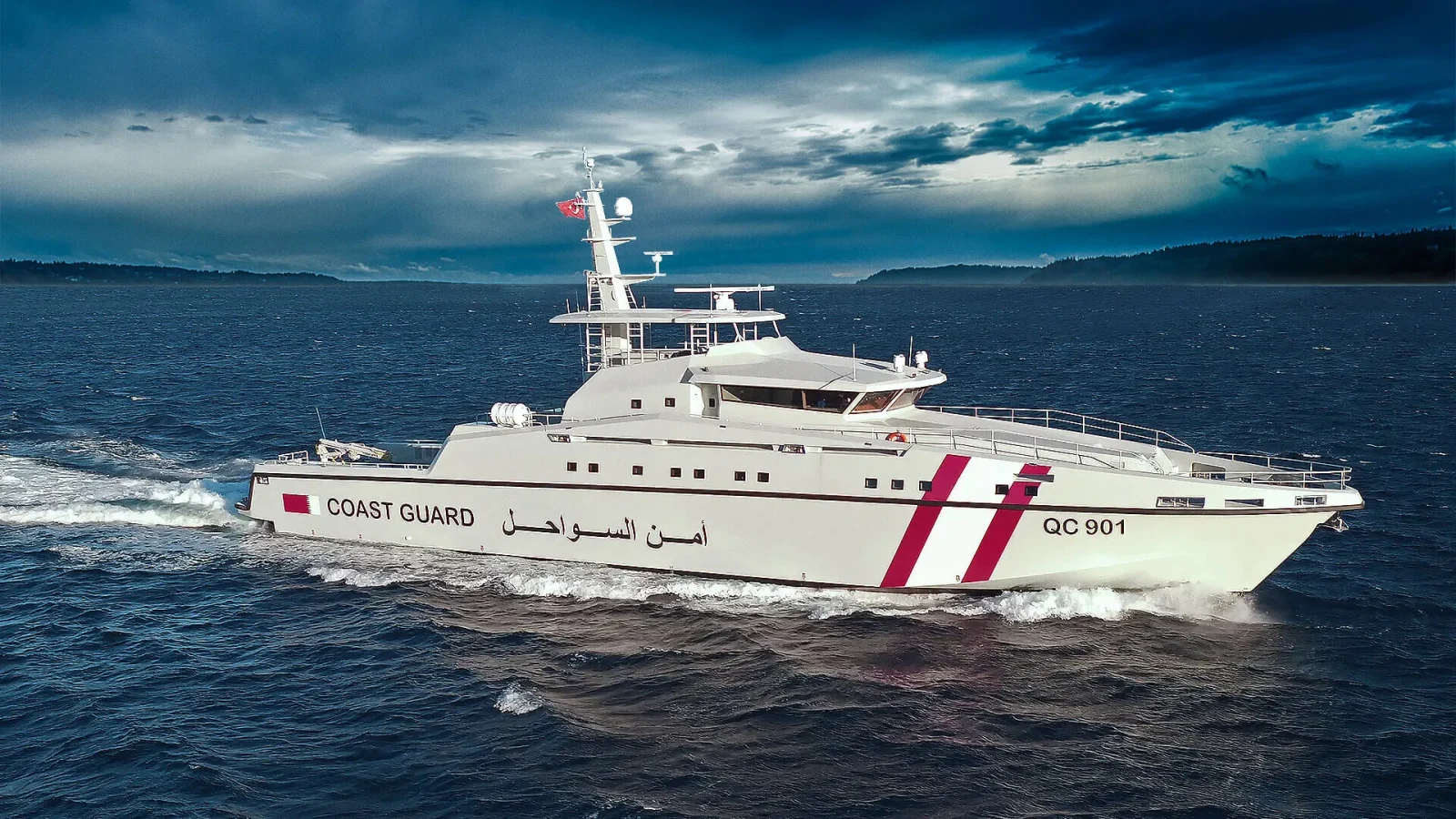
With its 48-meter composite hull, 35-knot top speed and 1,600-nautical-mile range, the ARES 150 BOLD stands apart from foreign patrol vessels in the same length class, such as the Damen Stan Patrol 5009 and the OCEA OPV 190, primarily on speed and hull material. In return, the steel-hulled Damen design offers higher crew capacity, while the aluminum OCEA design offers a markedly longer range. This file compares the three platforms using manufacturer data available in open sources.
The framework of the comparison
All three platforms are vessels in the 45-60 meter band designed for state coast guard and patrol fleets. The ARES 150 BOLD serves with the Qatar Coast Guard, the Damen Stan Patrol 5009 with the coast guard fleets of various countries, and the OCEA OPV 190 with the Senegalese Navy. The comparison covers length, speed, range, hull material and mission equipment. All three manufacturers publish their data in their own materials; independent test results are limited, and the figures in the table are manufacturer statements.
Technical comparison table
| Feature | ARES 150 BOLD | Damen Stan Patrol 5009 | OCEA OPV 190 |
|---|---|---|---|
| Country | Turkey | Netherlands | France |
| Length | 48.09 m | 50.1 m | 58 m |
| Beam | 8.95 m | 9.4 m | 9.4 m |
| Hull material | Advanced composite | Steel (aluminum superstructure) | Aluminum |
| Top speed | 35 kn (37 kn on trials, company data) | Up to 29.5 kn | 24 kn (26 kn on trials) |
| Range | 1,600 nm | 2,900 nm (12 kn) | 5,500 nm (12 kn) |
| Draft | 1.78 m | 3.5 m (maximum) | 2.3 m |
| Crew | Not officially disclosed | Up to 28 | 30 + 24 guests |
| Weapons/equipment | 12.7 mm + 30 mm RCWS, 2x ARES 24 HARPOON boats | Varies by customer | Varies by customer |
Speed and hull material: the ARES choice
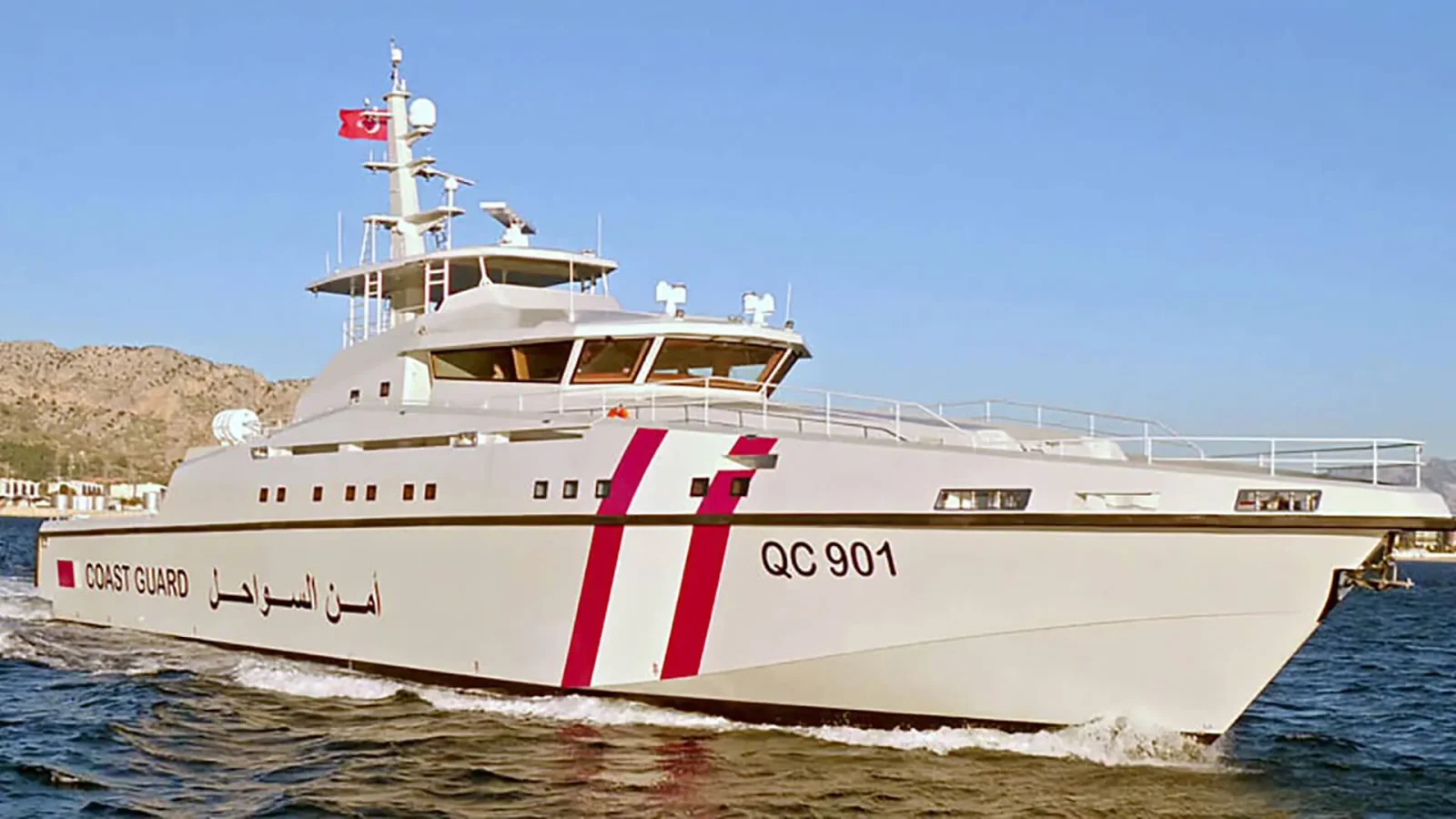
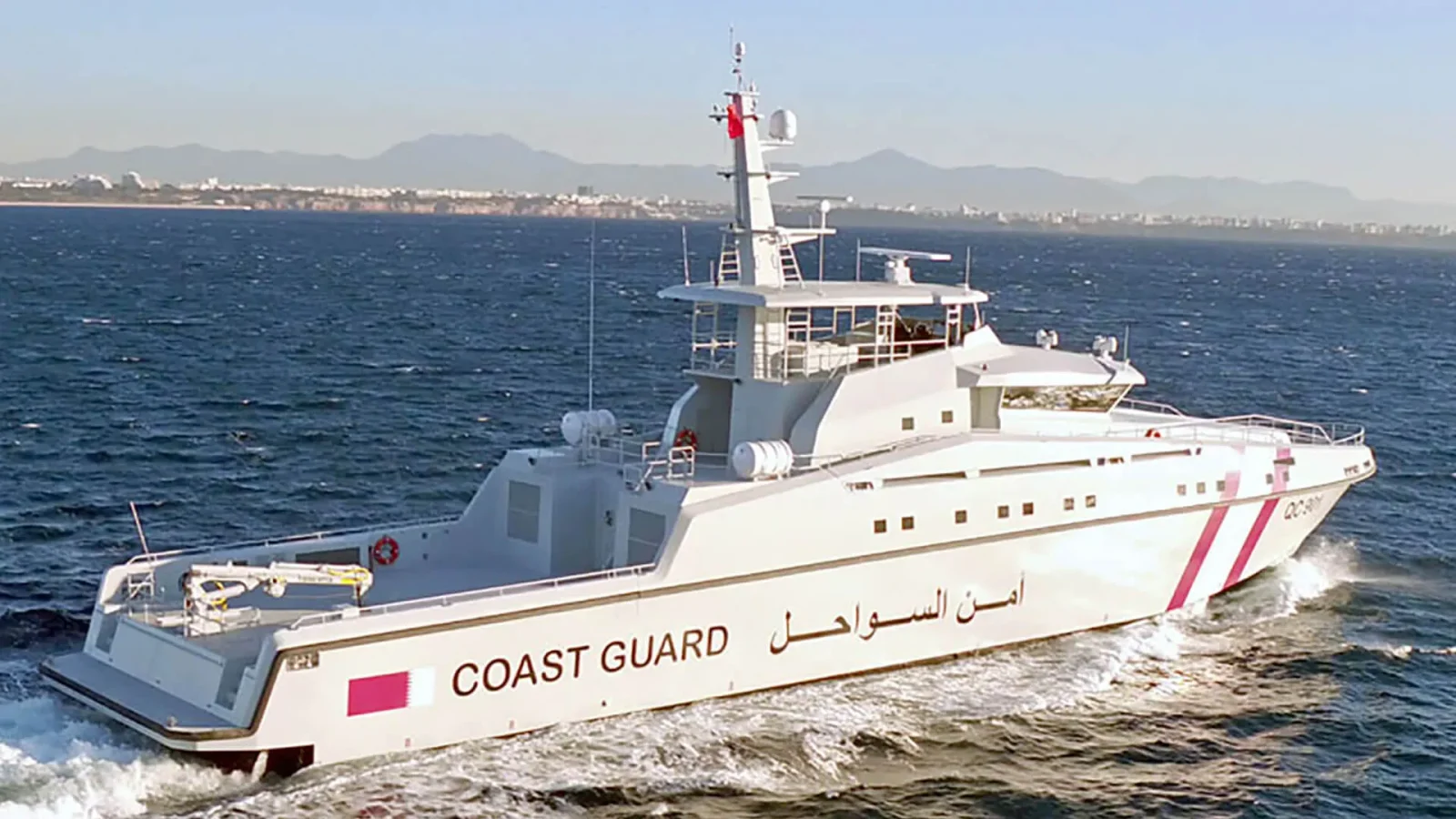
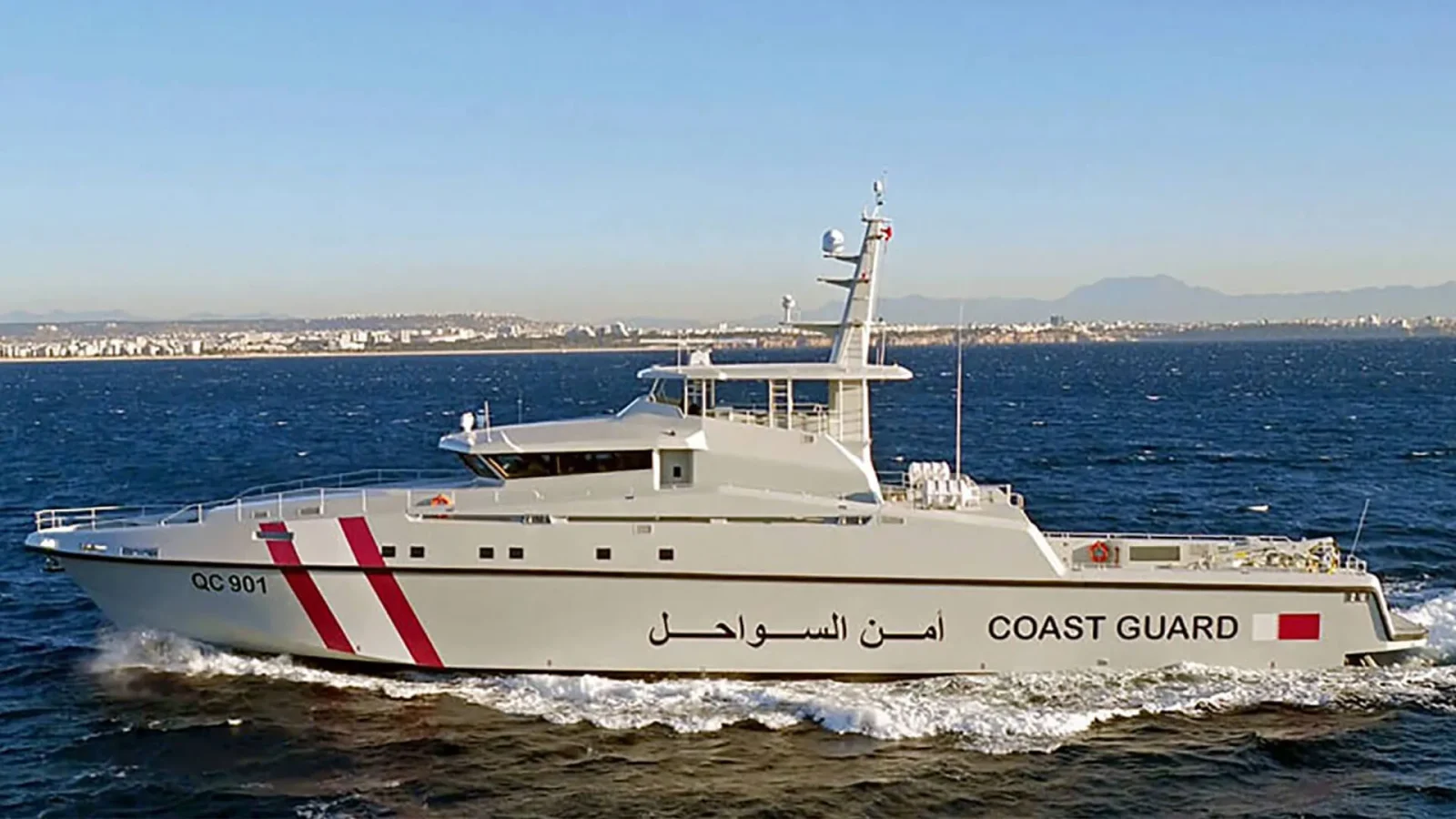
The most distinctive feature of the ARES 150 BOLD is its hull material. The composite structure offers lower weight and corrosion resistance compared with steel and aluminum; the BOLD class reaching more than 35 knots at 48 meters rests on this choice. The 37-knot sea trial figure reported by Defence Turkey is roughly 8 knots above the Damen design’s upper limit and 11 knots above the OCEA design. High speed provides a time advantage in counter-smuggling, interception and boarding missions. Carrying two ARES 24 HARPOON boats on the aft deck means two additional interception assets that operate independently of the mother ship.
Range and endurance: where the rivals are strong
In the same table, the range column runs the other way. The OCEA OPV 190’s 5,500 nautical miles and the Damen 5009’s 2,900 nautical miles mean greater endurance on long offshore patrols than the ARES 150 BOLD’s 1,600 nautical miles. The steel-hulled Damen design also offers higher crew capacity and accommodation volume. The table shows that the three designs are optimized for different mission profiles: ARES prioritizes high-speed interception, while Damen and OCEA prioritize long patrol endurance. The choice depends on the operating navy’s geography and mission definition.
Market position
Damen and OCEA are the established players in this market, with broad reference lists spanning dozens of countries. Ares Shipyard became visible in the segment with the 2014 Qatar contract and expanded its reference list with deliveries to Qatar, Oman, Nigeria and Iraq. The composite-hulled fast OPV concept stands out as the company’s differentiating offer in the market; selling the unmanned ULAQ to the same customer also rounds out the product range.
Frequently asked questions
Is the ARES 150 BOLD really the world’s fastest OPV?
This is a claim the manufacturer announced in 2018; it stated that 37 knots was recorded on sea trials. There is no published verification by an independent benchmarking body.
Is a composite hull durable enough for a military vessel?
Composite hulls are certified to the standards of IACS-member classification societies. They provide weight and corrosion advantages, while requirements such as ballistic protection are addressed through design and customer configuration.
Which platform can stay at sea longer?
According to manufacturer data, the range ranking is OCEA OPV 190 (5,500 nm), Damen 5009 (2,900 nm) and ARES 150 BOLD (1,600 nm); the OCEA design leads on long patrol missions.
Are all three vessels armed?
The standard presentation of the ARES 150 BOLD includes 12.7 mm and 30 mm remote-controlled weapon stations. On the Damen and OCEA platforms, the weapons configuration is determined by the customer contract.
Can prices be compared?
No. None of the three manufacturers discloses unit prices, and since contract values vary with package scope, a sound unit-price comparison is not possible.
Sources and verification note
All figures in the table were taken from manufacturer publications and the independent defense press; the values are manufacturer statements. Accessed: August 13, 2026.
- https://ares.global/vessels/patrol/ares-150-bold
- https://www.damen.com/vessels/defence-and-security/stan-patrol-vessels/stan-patrol-5009
- https://www.defenceweb.co.za/sea/sea-sea/ocea-launches-new-opv-for-senegal/
- https://ares.global/media-center/news/the-worlds-fastest-opv
- https://www.defenceturkey.com/en/content/ares-shipyard-world-s-greatest-composite-hull-ship-manufacturer-early-delivers-the-multi-role-patrol-crafts-to-qatari-coast-guard-command-2907
- https://en.wikipedia.org/wiki/Damen_Stan_Patrol_5009