What is PARS? 3E’s thermal weapon sight family

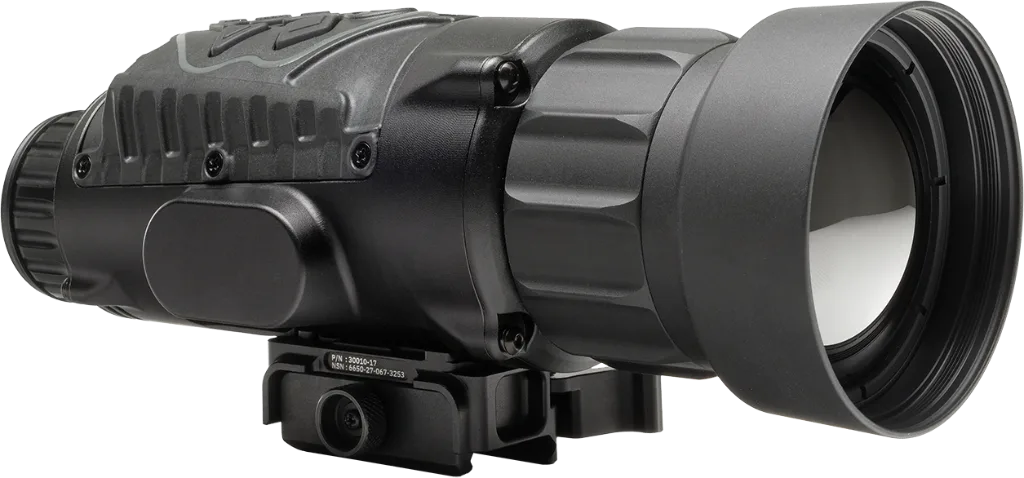
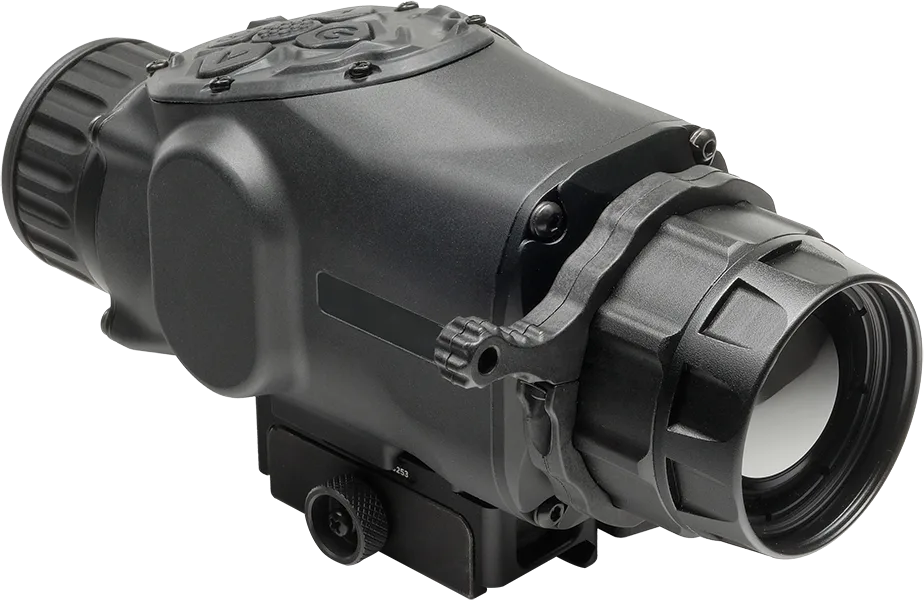
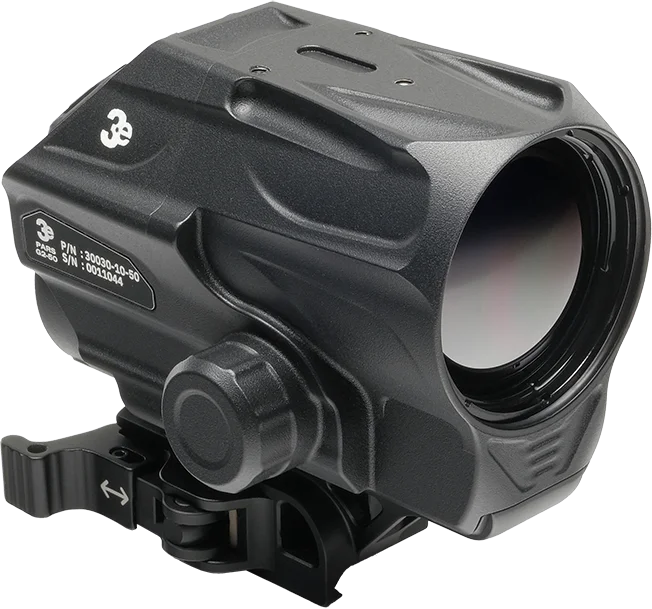
Quick answer: PARS is the thermal weapon sight family of 3E Elektro-Optik. The core series has three models: PARS 635N, 660N and 675N. All three use an uncooled LWIR sensor with 640×512 resolution and a 17-micron pixel pitch; the difference lies in the objective lens size. The family is rounded out by the weight-focused TIGER 635N, the clip-on PARS G2-50 and the cooled PARS SLR. The manufacturer says the series has years of active field use with Turkish security forces.
What does a thermal weapon sight do?
A thermal weapon sight converts the infrared heat signature emitted by a target into an image, enabling detection at night, in fog and smoke, and behind vegetation. Its difference from image-intensifier-tube night vision systems is that it needs no ambient light at all. 3E offers two technologies in this field: the uncooled LWIR sensors of the PARS N series and the cooled MWIR detector of the PARS SLR.
The core series: PARS 635N, 660N, 675N
The three models share the same electronic architecture. According to manufacturer data, the sensor’s 17-micron pixel pitch was chosen to collect more thermal energy per pixel, and image processing runs on an application-class processor. On-device custom reticle creation, a picture-in-picture (PiP) window, built-in video and photo recording, Wi-Fi image streaming and Bluetooth remote control are standard across all three models. The housing is aluminum; IP67 protection and a MIL-STD-810 test declaration are common to the series.
| Model | Sensor | Distinguishing feature | Housing |
|---|---|---|---|
| PARS 635N | 640×512, 17 um LWIR | Most compact member of the family | Aluminum, IP67 |
| PARS 660N | 640×512, 17 um LWIR | Mid-size objective class | Aluminum, IP67 |
| PARS 675N | 640×512, 17 um LWIR | Longest-range model | Aluminum, IP67 |
| TIGER 635N | 640×512, 12 um, <30 mK | 480 g weight, 7+ hours runtime | Aluminum, IP68 |
| PARS G2-50 | 640×512, 12 um, <30 mK | Dual mode: standalone + clip-on, 106 mm | Aluminum, IP68 |
| PARS SLR | 640×512 cooled MWIR MCT, 15 mK | 240 mm objective, mounts ahead of 5x-30x scopes | Under 1.8 kg |
Objective focal lengths and range figures are not published as numbers on the manufacturer’s site; the 35-60-75 sequence in the model names points to the objective class, but this has not been confirmed by an official specification table.
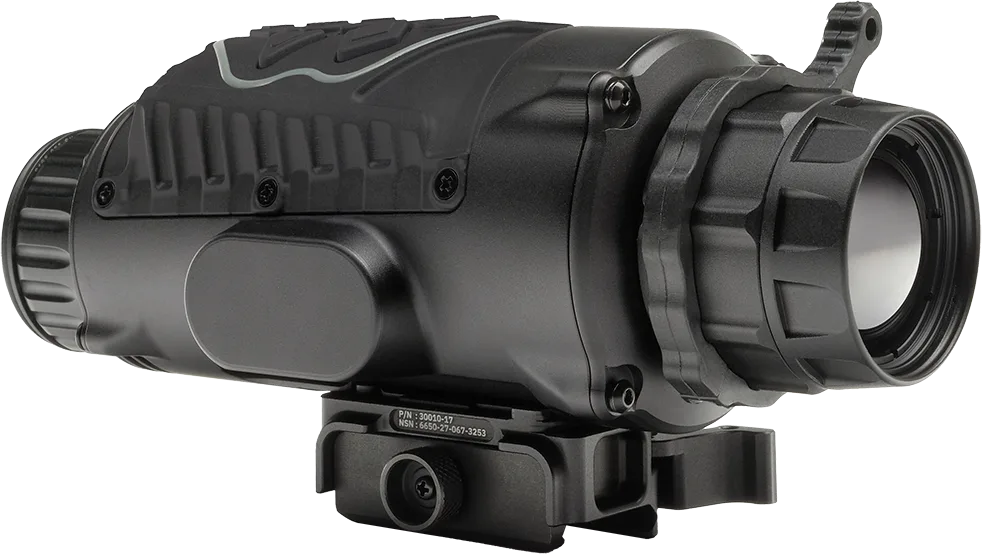
TIGER 635N: the model that cuts weight
The TIGER 635N carries the same 640×512 resolution into a 480-gram body, using a 12-micron pixel pitch sensor and an F1.0 germanium objective. The manufacturer reports more than 7 hours of continuous operation on two 18500 batteries and a start-up time of under 5 seconds. The color OLED display offers white-hot and black-hot palettes and an edge-outline mode.
Clip-on ends of the range: PARS G2-50 and PARS SLR
The PARS G2-50 is a dual-mode device with a 106-millimeter body that works both as a standalone sight and as a clip-on ahead of a day scope; the manufacturer describes it as the world’s most compact dual-mode thermal weapon sight and reports recoil resistance up to 12.7 mm NATO. This classification claim is a company statement. At the other end of the range, the PARS SLR is the only product in the series to use a cooled MWIR detector: 15 mK thermal sensitivity, a 240 mm objective and a coaxial design that mounts ahead of 5x-30x day scopes without disturbing zero. The mission trade-off between cooled and uncooled detectors is tabulated in the comparison with foreign counterparts.
Its place in the family
PARS is the flagship product family of the 3E catalog: the “sight with a field record” positioning the company describes in its company profile is built on this series. Together with the FELIS and PHOENIX handheld thermal cameras, the thermal category is the largest section of the 68-product catalog; the full breakdown is in the products guide. On the day-optics side, the series’ counterpart is the AVCI combat optics family.
Frequently asked questions
What resolution do PARS sights use?
All members of the family use a 640×512 sensor. The core series has a 17-micron pixel pitch, the TIGER 635N and PARS G2-50 have 12 microns, and the PARS SLR carries a cooled MWIR MCT detector.
What is the difference between PARS and TIGER?
The TIGER 635N is designed for low weight and fast handling: 480 grams, an F1.0 germanium objective and an IP68 body. The core PARS series follows an imaging strategy based on larger pixel area with its 17-micron sensor architecture.
Why does the PARS SLR use a cooled detector?
Cooled MWIR detectors offer higher sensitivity and preserve image quality at long range. The manufacturer reports the PARS SLR’s 15 mK sensitivity as the highest value in the series.
Can PARS record?
Yes. In the core series, built-in video and photo recording, Wi-Fi image streaming and Bluetooth remote control are listed by the manufacturer as standard features.
Which weapons does PARS mount on?
The sights mount on MIL-STD-1913 (Picatinny) rails with a quick-release mechanism. For the PARS G2-50 and PARS SLR, the manufacturer reports recoil resistance up to 12.7 mm (.50) caliber.
Sources and verification note
- https://3eeos.com/catalog/pars-675n — Accessed: August 13, 2026
- https://3eeos.com/catalog/pars-635n — Accessed: August 13, 2026
- https://3eeos.com/catalog/tiger-635n — Accessed: August 13, 2026
- https://3eeos.com/catalog/pars-g2-50 — Accessed: August 13, 2026
- https://3eeos.com/catalog/pars-slr — Accessed: August 13, 2026
Technical values are manufacturer statements; no independent test data has been published. Undisclosed fields such as range and objective focal length are left blank in the table or marked as not disclosed. User units and delivery quantities have not been officially disclosed.