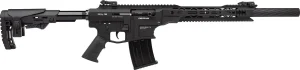
12 Gauge or 20 Gauge? The Shotgun Bore-Size Question Explained

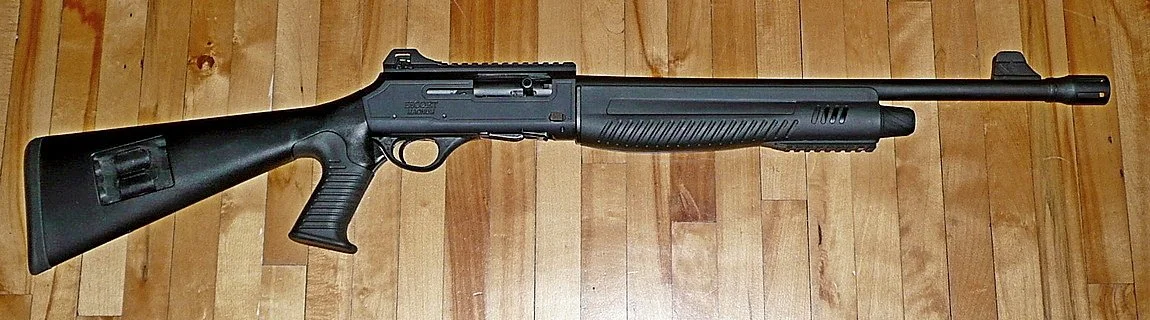
Ask why a 12 gauge shotgun has a wider bore than a 20 gauge, and the answer runs through a measurement system that has nothing to do with millimeters. A gauge number comes from how many solid lead balls, each sized to exactly fit the bore, add up to one pound. Fewer balls per pound means a bigger ball, which means a wider bore — so the smaller the gauge number, the larger the barrel.
In practice, two gauges dominate civilian shotgun use in Turkey and most of the world: 12 and 20. The 12 gauge carries more shot and more energy per shell, which keeps it the default choice across most hunting and sport shooting; the 20 gauge trades some of that capacity for a lighter gun and noticeably softer recoil.
This page walks through what gauge actually measures, how 12 and 20 compare on paper and in the hand, and where the less common gauges — 16 and .410 — fit in.
Last updated: September 20, 2026 · Envanter Medya editorial team
- The smaller the gauge number, the larger the bore — 12 gauge is wider than 20 gauge
- 12 gauge: the most common choice, highest shot capacity, moderate-to-firm recoil
- 20 gauge: lighter gun, softer recoil, often recommended to new shooters
- 16 gauge sits between the two but has become harder to find ammunition for
- .410 is the smallest common option — light recoil, but limited effective range
- The right gauge depends on the game being hunted, the gun’s weight, and the shooter’s experience
How the gauge system actually works
Gauge is a 19th-century holdover: an X-gauge bore is sized so that X solid lead balls, each exactly the diameter of that bore, together weigh one pound. In 12 gauge, for example, twelve lead balls sized to the bore add up to one pound — each ball weighs roughly 1.33 ounces, and that requirement alone dictates a fairly wide bore.
The one common exception is .410, which isn’t a gauge measurement at all — it’s simply the bore diameter given directly in inches (0.410 inch, about 10.4 mm). The market still calls it a ‘gauge’ out of habit, but the number works on entirely different logic from 12 or 20.
12 gauge versus 20 gauge
12 gauge is the largest bore size in common civilian use, and that extra bore diameter translates directly into shell capacity — more shot pellets, or a heavier slug, per shot. That versatility is why it covers the widest range of hunting, from birds up to larger game, and why it’s the standard for most sporting clays disciplines. The tradeoff is straightforward physics: more powder and more shot mass means more recoil transferred to the shooter’s shoulder.
20 gauge’s narrower bore means a noticeably lighter gun overall, and a shell that holds less powder and shot — which shows up directly as reduced felt recoil. That combination is why it’s frequently the gun handed to new shooters, smaller-framed shooters, or anyone carrying a shotgun over a long day in the field.
| Feature | 12 Gauge | 20 Gauge |
|---|---|---|
| Approximate bore diameter | 18.5 mm | 15.6 mm |
| Typical shell length | 2.75 in / 3 in (magnum) | 2.75 in / 3 in (magnum) |
| Shot capacity | High | Moderate |
| Felt recoil | Moderate to firm | Light to moderate |
| Typical gun weight | Heavier | Lighter |
| Prevalence (Turkey) | Most common | Second most common |
| Typical use | General hunting, trap/skeet, defense | Bird hunting, beginners, long field days |
16 gauge and .410: the less common options
16 gauge sits in between 12 and 20 — it had a real following in Europe at one point, but ammunition availability in Turkey today is limited. .410 is the smallest gauge in common use; its light recoil makes it attractive for training or short-range work, but its lower shot capacity means a genuinely shorter effective range than the larger gauges.
- 16 gauge: limited ammunition supply in Turkey, seen more often on the used market
- .410: light recoil, suited to training and close range, limited effective range
- 28 gauge: rare in Turkey, occasionally seen on lightweight sporting guns
Chamber length and magnum compatibility
Alongside gauge, chamber length is the other spec that matters. Shotguns commonly sold in Turkey have either a 2.75-inch (70 mm) standard chamber or a 3-inch (76 mm) magnum chamber. The longer chamber allows longer shells carrying more shot and powder — but the maximum shell length stamped on the barrel is a hard limit that should never be exceeded; the manufacturer’s manual is the only source that should be treated as authoritative here.
- Always match ammunition to the gauge and chamber length stamped on the barrel — using the wrong shell is a serious safety risk.
- If there’s any doubt about gauge or shell compatibility, consult a licensed gunsmith.
Frequently Asked Questions
What does 12 gauge mean?
It’s a traditional sizing system: twelve solid lead balls, each exactly the diameter of the bore, together weigh one pound. Smaller gauge numbers mean larger bores.
Is 20 gauge weaker than 12 gauge?
20 gauge carries less shot and energy, but ‘weaker’ isn’t quite right — it’s a different tool: a lighter gun with softer recoil, well suited to bird hunting and to shooters who want less kick.
Which gauge is recommended for beginners?
20 gauge is commonly considered more comfortable for new shooters because of its lighter recoil and lighter gun weight, but this isn’t a purchase recommendation — the right choice depends on the shooter’s build and goals.
Is 16 gauge ammunition available in Turkey?
Supply is more limited than for 12 or 20 gauge; 16 gauge shells are usually sourced by special order or found on the used market.
Why is .410 measured differently?
‘.410’ isn’t a gauge weight measurement at all — it’s the bore diameter given directly in inches (0.410 in, about 10.4 mm), which is why its logic doesn’t match the other gauges.
What’s the difference between a 2.75-inch and 3-inch chamber?
A 3-inch (magnum) chamber accepts longer shells carrying more shot and powder; the maximum shell length stamped on the barrel by the manufacturer should always be treated as the hard limit.
Can a shotgun’s gauge be changed?
No — a shotgun’s gauge is fixed by its barrel and chamber. Changing it isn’t a routine modification and would need to go through the manufacturer or an authorized, fully licensed process.
Editorial note: This is technical journalism, not purchase or maintenance advice; always follow your manufacturer’s owner’s manual and an authorized service technician.
Bu içeriğin orijinal Türkçe versiyonu için: Türkçe sayfayı okuyun.