Raytheon Completes Multi-Shot Guided Test of NGSRI, the US Army’s Stinger Replacement

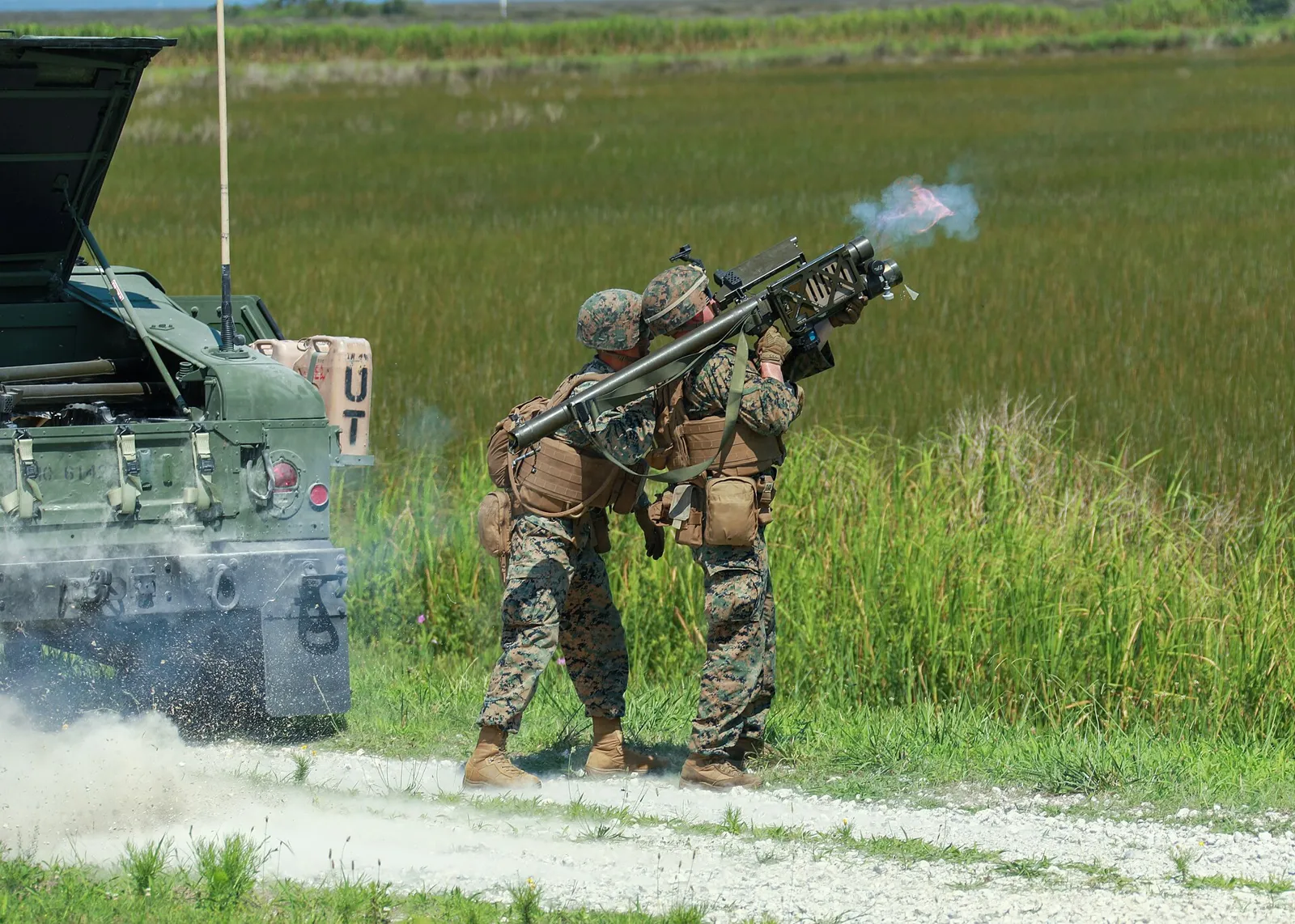
RTX’s Raytheon says it has passed a key milestone in the US Army’s Next Generation Short Range Interceptor (NGSRI) program. In a demonstration at Dugway Proving Ground in Utah, multiple guided missiles were launched using the soldier-portable Command Launch Assembly (CLA). According to the company, every shot detected, tracked and destroyed Army-simulated aerial threats with direct hits.
What it replaces
NGSRI is being developed to replace the FIM-92 Stinger, the shoulder-fired air defense missile that has served the US Army for decades. Stinger remains the core infantry-level answer to low-altitude threats, but shrinking stockpiles and an aging design have long pointed to the need for a new interceptor. Heavy Stinger transfers to Ukraine exposed the gap in US inventory and the limits of production capacity.
Test highlights
Raytheon attributes the performance to precision optics in the CLA and missile seeker, paired with a highly loaded solid rocket motor built by Northrop Grumman. The company says these extend NGSRI’s engagement range well beyond current systems. Firing multiple rounds in a single demonstration from a portable launcher put the system closer to realistic field conditions.
Why it matters
Short-range air defense has returned to the forefront as drones and low-altitude threats proliferate. FPV drones, loitering munitions and cheap unmanned systems have changed both the threat set and the production volumes required of shoulder-fired missiles. NGSRI aims to offer a more flexible answer to that widening threat through its seeker and extended range.
The program also has NATO implications: many allies fielding Stinger are searching for a successor. The interceptor chosen by the US Army could shape a common short-range standard across the alliance. Turkey is advancing its own capability in this segment with indigenous systems such as SUNGUR, and competition among multiple producers continues. When the test translates into serial production and fielding will be the key milestone to watch.
Sources
- RTX / Raytheon press release (15 July 2026)
- Army Technology; Defence Industry Europe