France and Sweden Fly First Joint Nuclear-Deterrence Drill

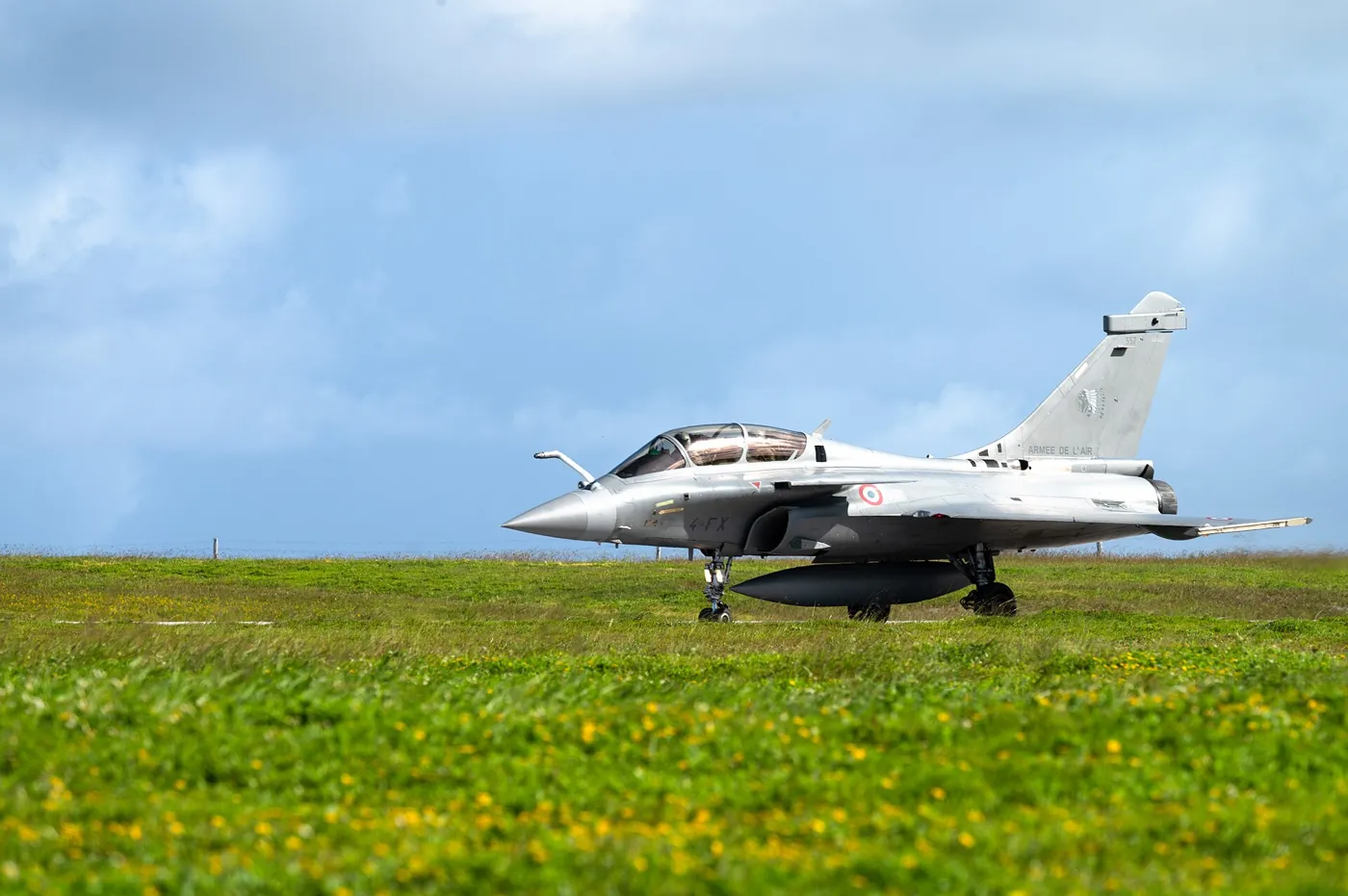
French and Swedish air forces flew their first joint nuclear-deterrence exercise on November 16-18, codenamed Excalibur, over northern Sweden. The outcome was confirmed on November 19 in statements from both countries’ defense ministries, the Swedish Armed Forces, and a post from the French Armed Forces General Staff.
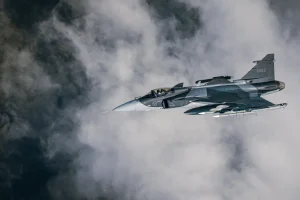
France committed nuclear-capable Rafale fighters and an Airbus A330 MRTT tanker from its Air and Space Force; Sweden flew JAS 39 Gripen fighters. The French General Staff said the drill demonstrated “a high level of interoperability” between the two air forces in the nuclear-deterrence domain. No live nuclear weapons were involved, and officials stressed the exercise was not directed at any particular country.
Excalibur is the first exercise run under President Emmanuel Macron’s “forward deterrence” initiative, which offers to extend elements of France’s nuclear posture to European partners. Ten countries are currently engaged with the framework: Sweden, Germany, Denmark, Norway, Finland, the United Kingdom, Poland, the Netherlands, Belgium and Greece. Paris has been explicit that the arrangement does not replace NATO’s nuclear deterrent, that France will not extend an alternative nuclear umbrella, and that any decision to use nuclear weapons remains solely a French one.
Finnish Defense Minister Antti Häkkänen outlined the cooperation’s likely stages in September: dialogue on French nuclear doctrine, joint exercises in which a partner nation observes or contributes conventional support, and, eventually, the temporary forward-basing of French strategic air assets on partner territory. Excalibur corresponds to the second of those stages.
A comparable step took place last month between France and the United Kingdom, when British Eurofighter Typhoons escorted Rafales flying a simulated nuclear-strike profile. Swedish Prime Minister Ulf Kristersson said earlier this year that the broader talks aim to clarify what a joint European deterrent could look like. Stockholm’s own posture is unchanged: it participates in allied nuclear planning as a NATO member, will not station nuclear weapons on its territory in peacetime, and remains committed to the Non-Proliferation Treaty.
France’s arsenal stands at just under 300 warheads by official count, with independent estimates putting the figure closer to 290 — far smaller than the U.S. or Russian stockpiles but judged sufficient for Paris’s doctrine of strategic autonomy. The force rests on two legs: ballistic-missile submarines at sea and Rafales carrying MBDA-built nuclear-tipped cruise missiles. The United Kingdom is Europe’s only other nuclear-armed state, relying on the Trident-based system with at least one submarine continuously on patrol.
This approach differs from NATO’s own nuclear-sharing arrangement, under which U.S. B61 bombs are stored at bases in several allied countries, including Turkey’s Incirlik Air Base, while dual-capable aircraft squadrons in Belgium, Germany, Italy and the Netherlands are certified to deliver them in wartime. France’s model keeps both ownership and the launch decision entirely in French hands; what it offers partners is dialogue, exercises and, potentially, temporary basing, not custody of the weapons themselves.
Analysts note that dispersing French aircraft to allied bases could improve their odds of surviving a disabling first strike and open options such as deep strikes into the Russian Arctic or shorter-range missions flown without aerial refueling. Gripens, designed to penetrate Russian air defenses, could escort or support a nuclear-strike package, freeing Rafales for other tasks.
The exercise lands amid sharper Russian nuclear rhetoric and growing uncertainty in Europe over the durability of U.S. security guarantees, giving added weight to France’s push to widen its deterrent architecture — a parallel track that runs alongside, rather than inside, NATO’s existing nuclear-sharing arrangements.
Sources
- Infodefensa, “Suecia también se apunta a los ejercicios de disuasión nuclear con Francia,” November 23, 2026, infodefensa.com — used for exercise details and the scope of the “forward deterrence” initiative.
- Defense News, “France and Sweden hold first joint nuclear deterrence exercise,” November 19, 2026, defensenews.com — used for platform details, analysis and context.