
Who Owns Turkish Aerospace? Is TUSAS State-Owned?

Turkish Aerospace (TUSAS / TAI) is a state-controlled joint-stock company and is not publicly traded. Its shares are held almost entirely by two Turkish public-sector bodies: the Turkish Armed Forces Foundation (TSKGV) with 54.49% and the Presidency of Defence Industries (SSB) with 45.45%. Private investors cannot buy its stock.
| Turkish Aerospace at a glance | |
|---|---|
| Legal name | Turkish Aerospace Industries Inc. (TUSAS) |
| English brand | Turkish Aerospace / TAI |
| Founded | 28 June 1973 |
| Headquarters | Kahramankazan, Ankara |
| Ownership type | State-controlled, unlisted joint-stock company |
| Largest shareholder | TSKGV (54.49%) |
| Publicly traded? | No – not on any stock exchange |
| Chairman | Omer Cihad Vardan |
| CEO / General Manager | Dr. Mehmet Demiroglu |
Who owns Turkish Aerospace?
Turkish Aerospace is owned by Turkish public-sector institutions rather than by private shareholders or foreign investors. The Turkish Armed Forces Foundation (TSKGV) holds the majority stake of 54.49%, while the Presidency of Defence Industries (SSB) – the state body that manages Turkey’s defence procurement under the Presidency of the Republic – holds 45.45%. The Turkish Aeronautical Association (THK) retains a small legacy holding of 0.06%. Because both major shareholders are public institutions, the company is effectively state-controlled. There is no free float, no listed ticker, and no path for an ordinary investor to acquire equity.
What does the company do?
Turkish Aerospace is Turkey’s principal aircraft and space manufacturer and acts as the prime contractor on the country’s largest aviation programmes.
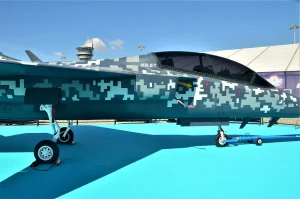
- Designs and builds combat and trainer aircraft such as the KAAN fighter, HURJET jet trainer and HURKUS turboprop trainer.
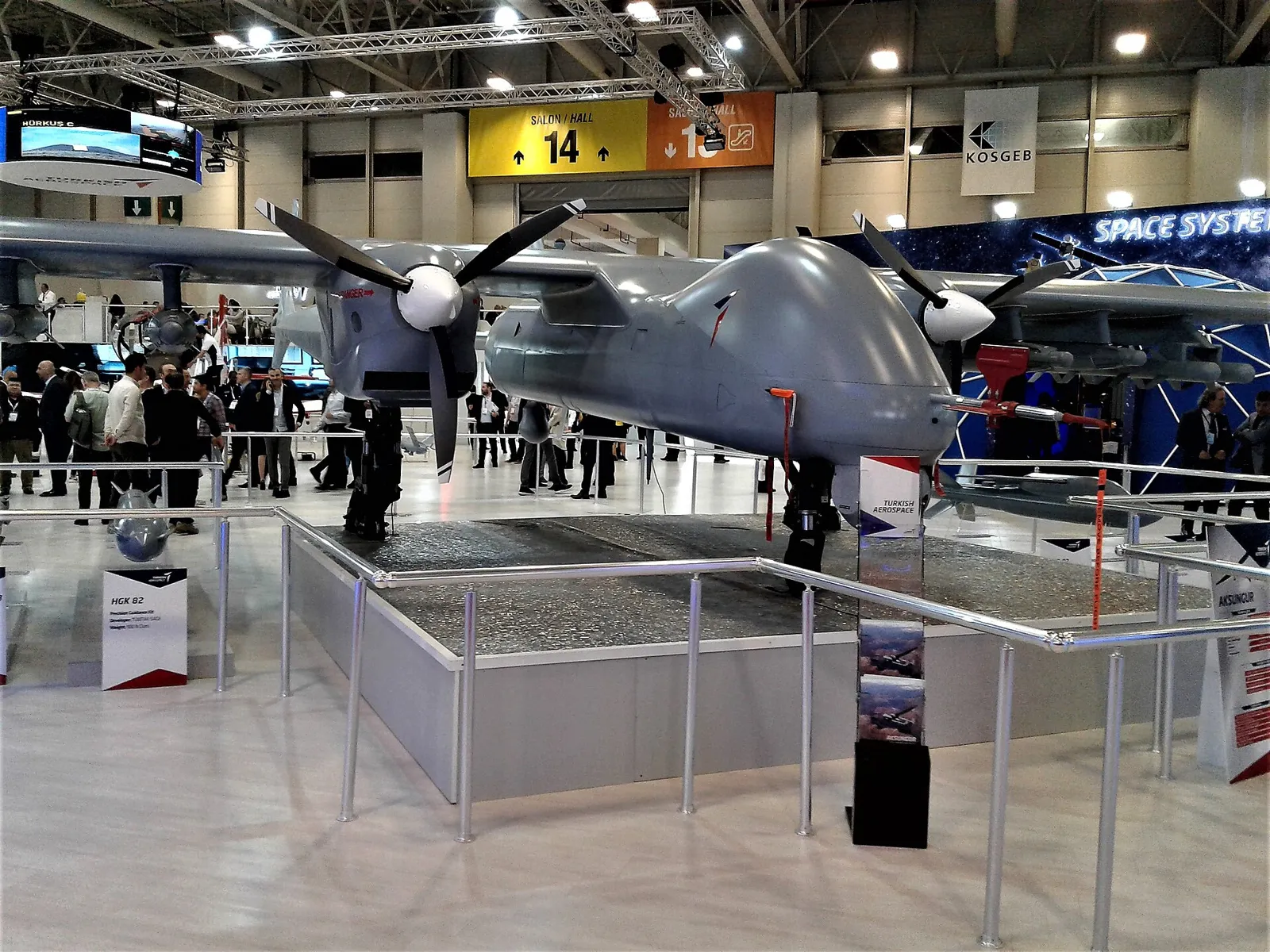
- Develops unmanned aerial vehicles including the ANKA family and AKSUNGUR.
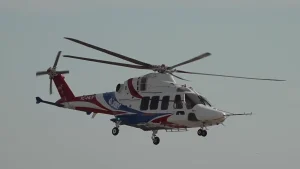
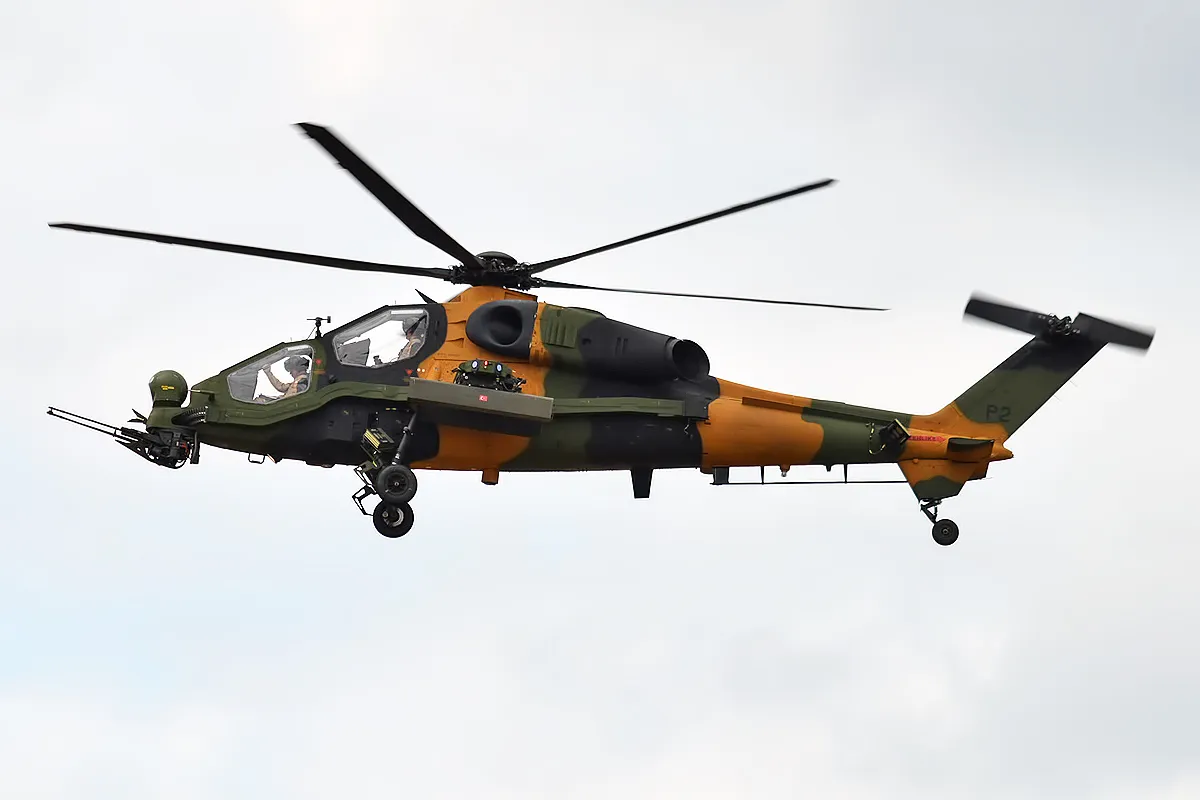
- Produces helicopters such as the T129 ATAK and T625 GOKBEY.
- Contributes to satellites and space systems (GOKTURK, IMECE, TURKSAT 6A structure).
- Manufactures composite and structural work packages for Airbus and Boeing.
Turkish Aerospace was not always fully state-owned. Its ownership evolved over four decades as foreign partners were bought out and the shares moved into Turkish public hands.
Turkish Aerospace publishes defence-revenue figures through international rankings rather than as a listed company. The most recent verified data point comes from the Defense News Top 100.
How many people does it employ?
Turkish Aerospace employs approximately 17,000 people according to 2024-2025 sources, including roughly 7,000 engineers and 6,000 technicians. Some 2026 figures cite around 16,180 staff. The workforce grew by about 10,000 people between 2015 and 2025, making it one of the largest single employers in Turkey’s defence sector.
Relationship with other companies
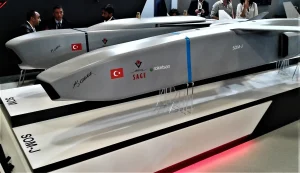
Turkish Aerospace is the platform prime contractor, not the maker of every subsystem. Avionics, radar and electro-optics are largely supplied by ASELSAN; engines come from TEI and foreign suppliers (the KAAN prototype uses two General Electric F110 engines, with an indigenous engine still a target); software and simulation come from HAVELSAN; and munitions from ROKETSAN and TUBITAK SAGE. These are separate companies, some sharing the same public-sector owners.
Turkish Aerospace is a state-controlled but unlisted joint-stock company. It is not on any stock exchange and its shares cannot be bought by the public. Ownership percentages reflect officially reported figures; unconfirmed technical values are noted as not officially disclosed.
Frequently asked questions
Is Turkish Aerospace state-owned or private?
It is state-controlled. More than 99% of Turkish Aerospace is held by two public-sector bodies – the Turkish Armed Forces Foundation (TSKGV, 54.49%) and the Presidency of Defence Industries (SSB, 45.45%) – with a tiny 0.06% legacy stake held by the Turkish Aeronautical Association. It operates as a joint-stock company but is not privately owned.
Can I buy shares in Turkish Aerospace?
No. Turkish Aerospace is not publicly traded and its shares are not available on any stock exchange. There is no free float and no ticker symbol. All equity is held by Turkish public-sector institutions, so private or foreign investors cannot purchase a stake through a market.
Is Turkish Aerospace listed on a stock exchange?
No. The company is an unlisted joint-stock company. It does not appear on Borsa Istanbul or any other exchange, and it raises capital through its state shareholders and programme financing rather than through public equity markets.
Who is the biggest shareholder of Turkish Aerospace?
The largest shareholder is the Turkish Armed Forces Foundation (TSKGV), which holds 54.49% – a majority stake. This gives the foundation the controlling interest, with the Presidency of Defence Industries (SSB) as the second-largest holder at 45.45%.
What stake does the SSB hold?
The Presidency of Defence Industries (SSB) holds 45.45% of Turkish Aerospace. The SSB is the Turkish state body responsible for defence procurement and industry, operating under the Presidency of the Republic, which reinforces the company’s state-controlled character.
Will Turkish Aerospace ever hold an IPO?
There is no confirmed plan for an initial public offering. As of the latest verified information, the company remains fully held by public-sector bodies and is not publicly traded. Any future listing would be an official decision that has not been announced.
Is Turkish Aerospace the same as TEI?
No. TEI (TUSAS Engine Industries) is a separate engine-manufacturing company. Turkish Aerospace is a shareholder in TEI, but the two are distinct legal entities: Turkish Aerospace builds airframes and platforms, while TEI focuses on engines.
Does the government control the company directly?
Indirectly but effectively, yes. Both major shareholders – TSKGV and SSB – are Turkish public-sector institutions, and the SSB reports under the Presidency of the Republic. This gives the state decisive influence over strategy, while the company is run as a joint-stock corporation.
Sources
- Turkish Aerospace official website – tusas.com (corporate and shareholder information)
- Presidency of Defence Industries (SSB) – ssb.gov.tr
- Defense News Top 100 (2025 edition)
- Anadolu Agency (AA) – corporate and ranking coverage
- Wikipedia – Turkish Aerospace Industries (background reference)