Ukraine and Raytheon to Co-Produce Patriot Interceptors as Frontline Burn Rate Outpaces Western Capacity


- Who: Ukraine + Raytheon (delegation led by VP Joseph DeAntona)
- What: Licensed co-assembly of the Patriot PAC-2 GEM-T interceptor
- When: Announced July 23, 2026; at least one year to stand up
- Authorization: Trump cleared production at the Ankara NATO Summit on July 8, 2026
- Why: Ukraine burns 60-70 rounds a month normally, 150-180 under heavy attack
A burn rate that broke the supply math
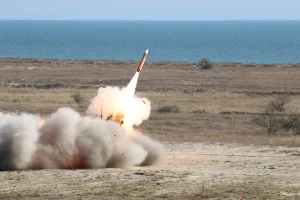
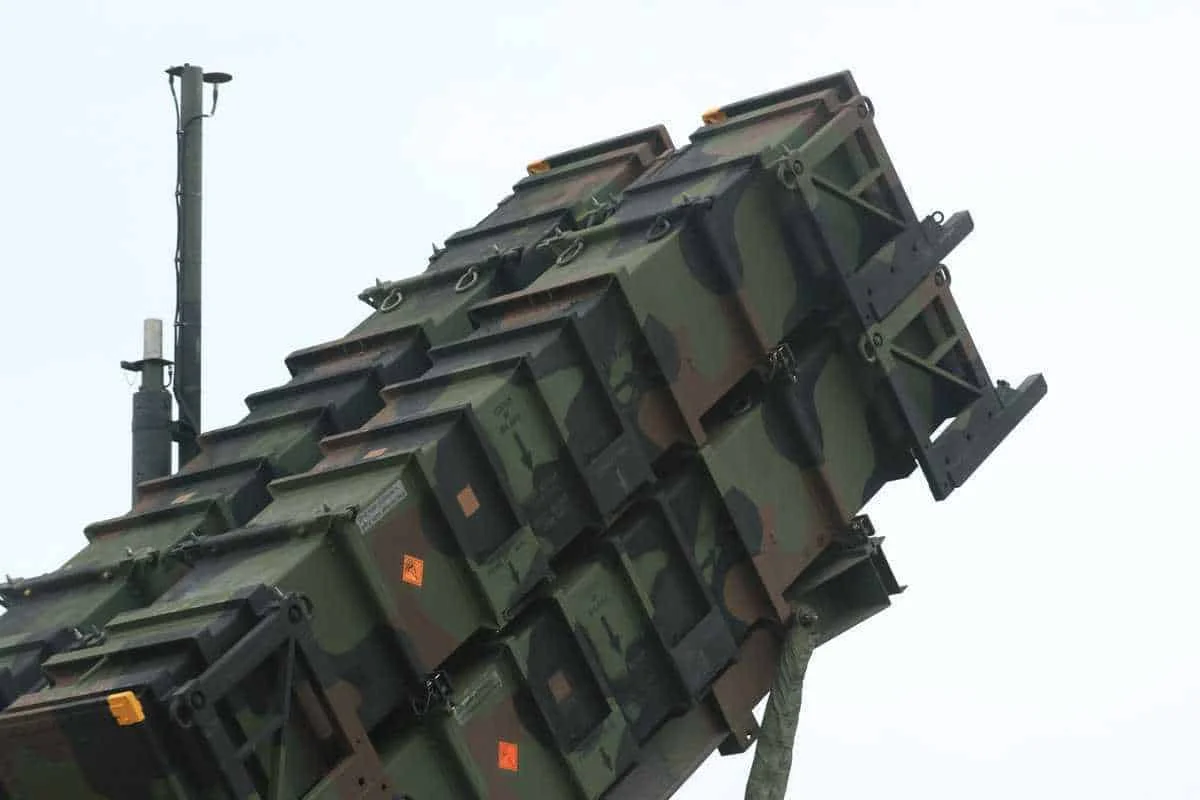
The framework Zelenskyy announced covers licensed assembly in Ukraine of the PAC-2 GEM-T—the larger, blast-fragmentation member of the Patriot family—while immediate needs are met through existing European infrastructure such as the COMLOG facility in Germany. The logic is brutally simple arithmetic: Ukraine is expending interceptors faster than almost any air force in history to stop Russian Iskander-M and Kh-47M2 Kinzhal ballistic missiles.
The numbers frame the crisis. Normal months consume 60-70 rounds; concentrated strike waves push that to 150-180. Annually, that is 720-840 interceptors just to keep pace, and 1,800-2,160 at peak. By comparison, Lockheed Martin built roughly 620 PAC-3 MSE rounds in 2025—output that must also serve U.S. Army reserves, training and allied orders.
Who builds it, and where?
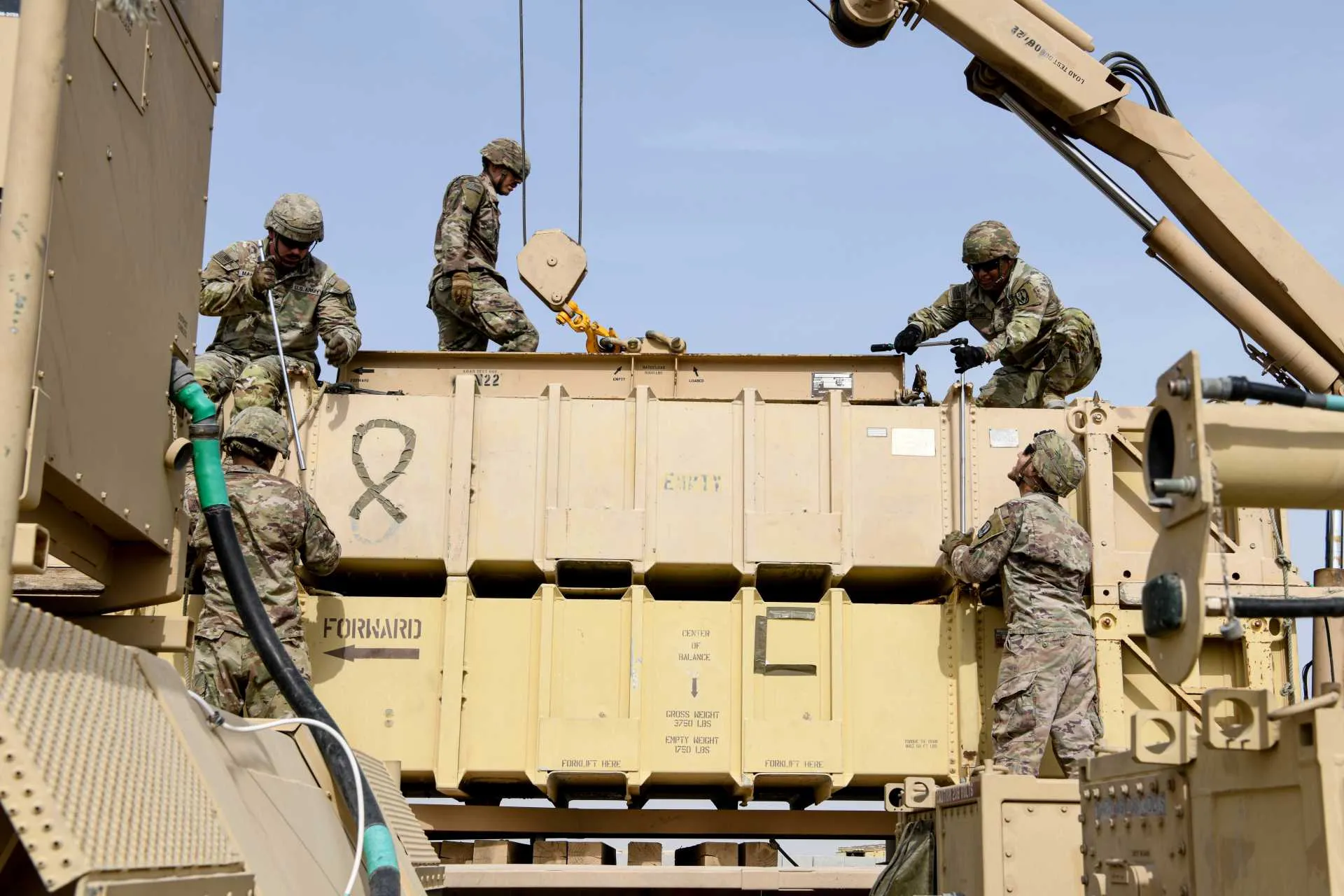
The decisive details remain open: no annual output target, factory site or confirmed variant. The most mature option is a GEM-T line at COMLOG in Schrobenhausen, Germany, expected to come online in early 2027. A second path is a trilateral U.S.-Polish-Ukrainian arrangement. In a distributed model, seekers and guidance would come from the U.S., rocket motors from established suppliers, structural work from Ukraine and Poland, with final assembly in Germany or Poland.
Washington opened the door at the NATO Summit in Ankara on July 8, 2026, when Trump said the U.S. would authorize Ukrainian Patriot manufacture. Even so, fielding an interceptor means building a chain that runs from rocket motors and seekers to warheads and dozens of specialist suppliers—hence the year-plus timeline.
Patriot Interceptor Variants — Technical Comparison
| PAC-2 GEM-T | Large body, blast-fragmentation warhead; built by Raytheon; aircraft/cruise/short-range threats |
| PAC-3 MSE | Small body, hit-to-kill; built by Lockheed Martin; high-speed ballistic threats |
| Ukraine normal burn | 60-70 rounds per month |
| Heavy-attack burn | 150-180 rounds per month |
| Western target capacity | ~2,000 rounds/year (~167/mo) — shared across all customers |
| Priority threat | Iskander-M, Kh-47M2 Kinzhal ballistic missiles |
Why interceptor output is an industrial marathon
Patriot has anchored U.S. and allied air defense since the 1980s, but its deterrent value rests less on radars and launchers than on the number of rounds left in the magazine. Ukraine has shown the whole of NATO how fast that magazine empties in a high-intensity war, turning co-production into a search for supply depth across the alliance—not just for Kyiv.
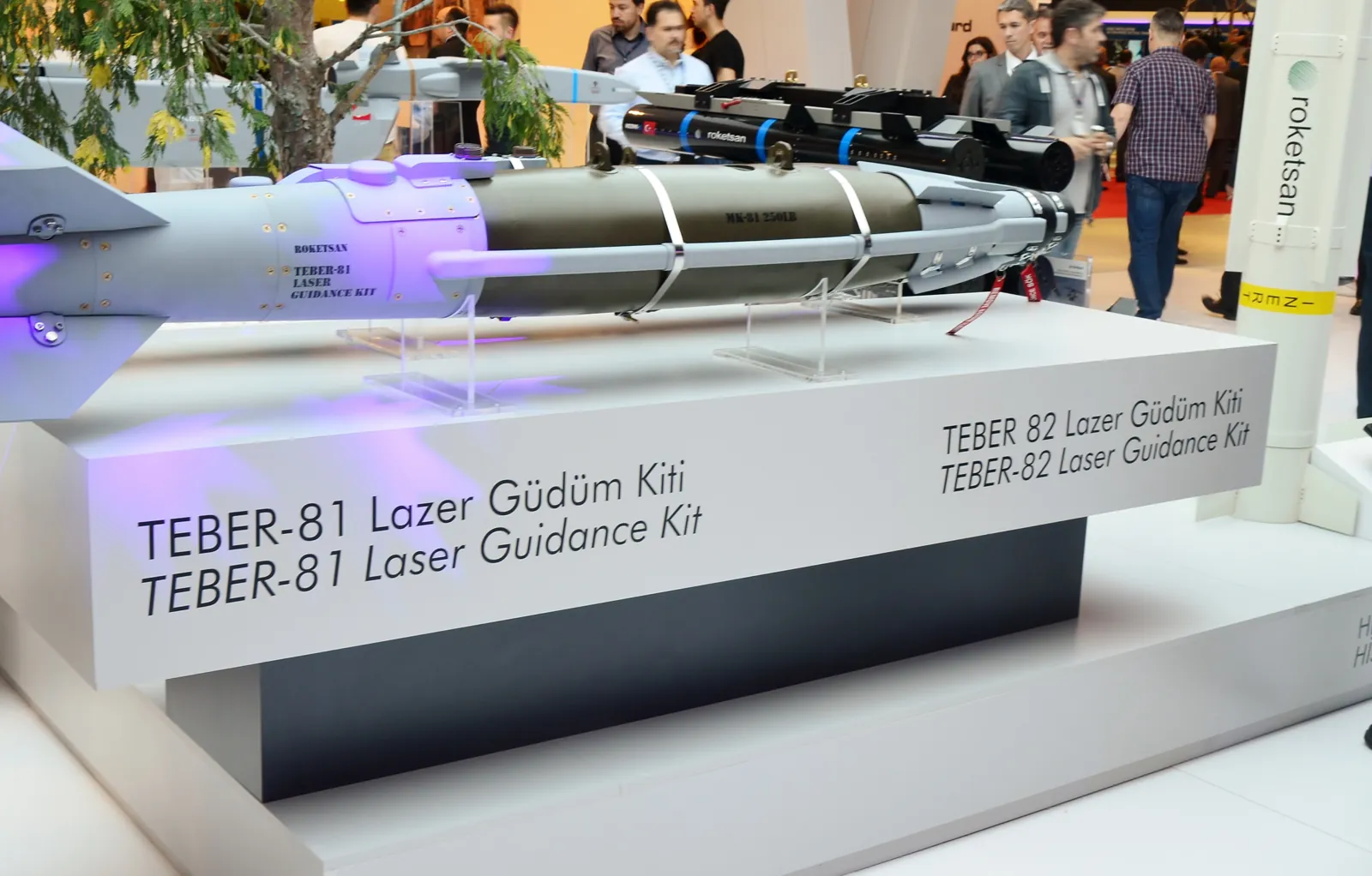
The lesson resonates for states building layered, home-grown air and missile defense. Turkey’s SİPER long-range, HİSAR medium/low-altitude and ÇELİK KUBBE layered architecture rest on exactly this ‘build your own interceptor, keep the magazine deep’ principle—and Ukraine’s battlefield makes the cost of dependence painfully concrete.
Sources
- Army Recognition — “Ukraine and US Raytheon agree on joint Patriot missile production” (July 23, 2026)
- Office of the President of Ukraine statement (July 23, 2026)
- Raytheon / RTX corporate releases