South Korea’s Military Strength: K2 Tank, KF-21 and Exports (2026)

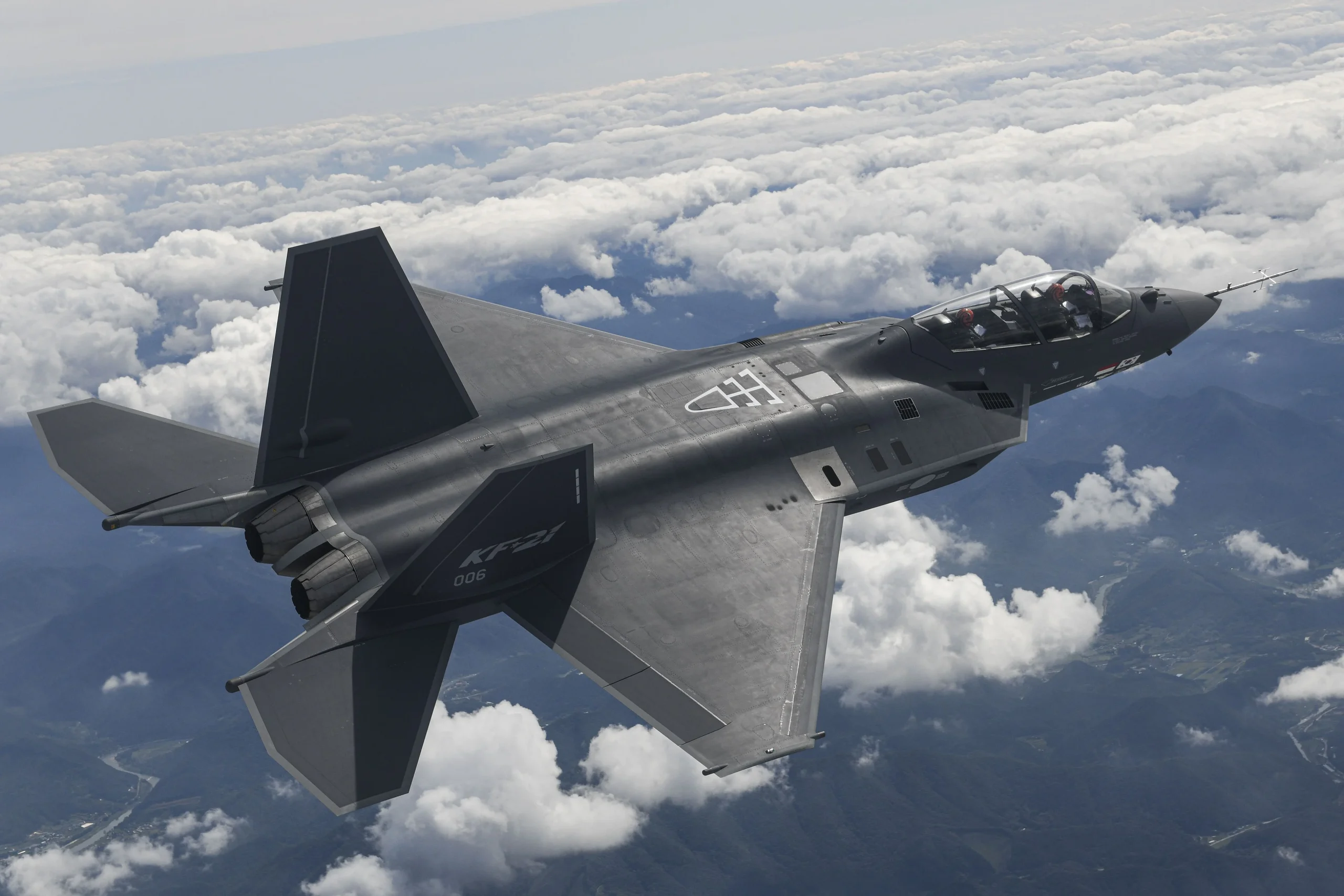
South Korea’s military inventory is the product of a strong indigenous industry developed under the North Korean threat. The K2 Black Panther tank, the indigenous KF-21 Boramae fighter, the K9 Thunder howitzer and Aegis-equipped destroyers make the country prominent in both defence and exports.
At a Glance
- Active personnel: ≈ 500.000
- Main battle tanks (K2, K1): ≈ 2.500
- Military aircraft (total): ≈ 1.600
- Key fighters: F-35A, F-15K, KF-21
- Exports: K9, K2, FA-50 (rising exporter)
- Turkey link: K9 → T-155 Fırtına
Note: The inventory figures below are approximate values drawn from open sources such as Global Firepower, the IISS Military Balance and SIPRI.
About the South Korea Armed Forces
The Republic of Korea Armed Forces are built on high readiness and a strong indigenous industry due to the standing tension with North Korea. Conscription and a large reserve underpin the force structure.
Companies such as Hyundai Rotem, Hanwha, KAI and LIG Nex1 produce most of the inventory domestically. This capacity has turned South Korea into a major exporter in recent years, to Poland above all.
Land Forces Inventory
| System type | Est. quantity |
|---|---|
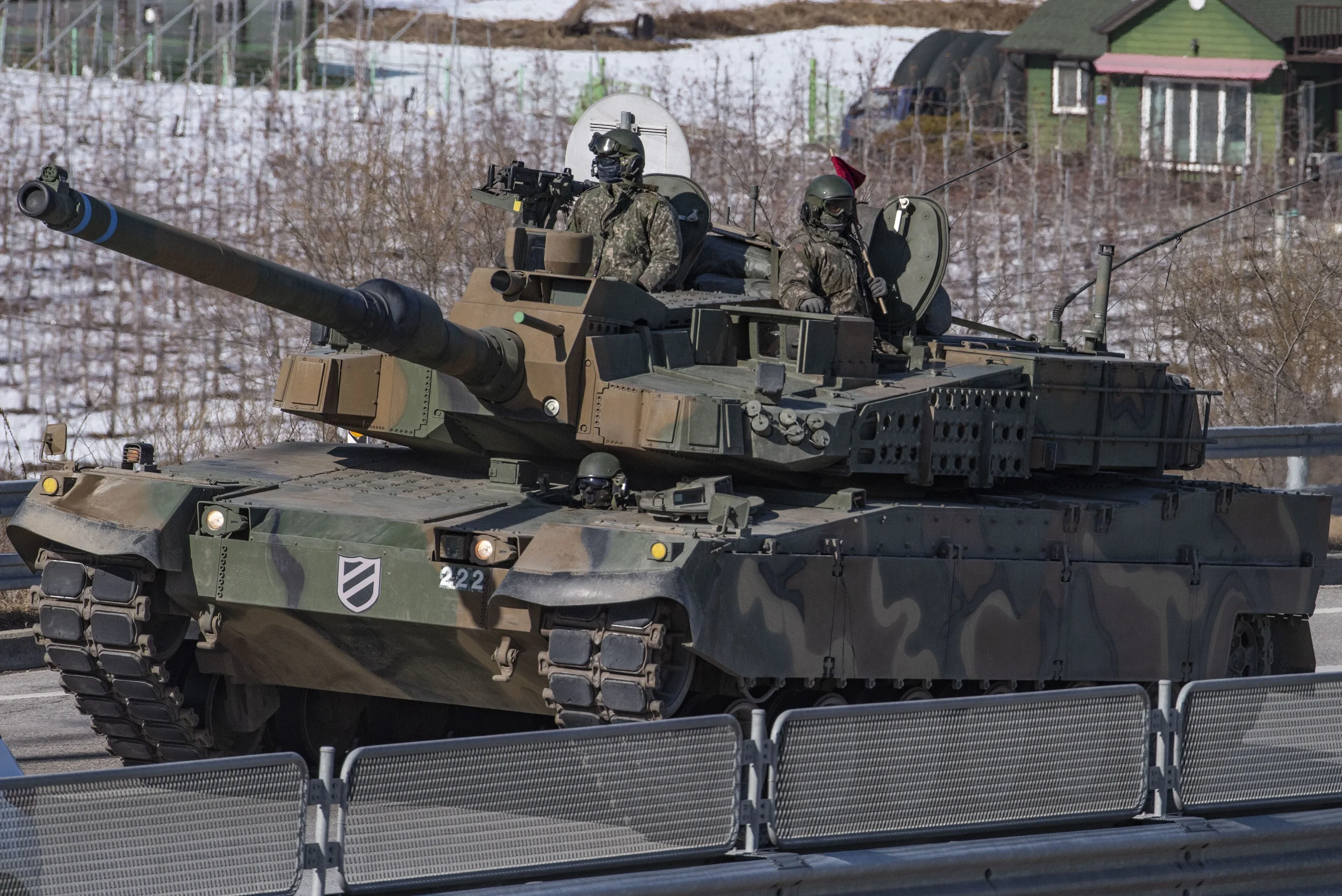
| Main battle tanks (K2 Black Panther, K1) | ≈ 2.500 |
| Armoured fighting vehicles (K21, K808) | ≈ 3.000 |
| Howitzers (K9 Thunder) | ≈ 1.300 |
| MLRS (K239 Chunmoo) | ≈ 200 |
Air Force Inventory
| Platform | Est. quantity |
|---|---|
| Total military aircraft | ≈ 1.600 |
| Fighters (F-35A, F-15K, KF-16, KF-21) | ≈ 400 |
| Light attack / trainer (FA-50) | ≈ 100 |
| Helicopters (Apache, Surion) | ≈ 700 |
Missile and Air-Defence Systems
| System | Type / Note |
|---|---|
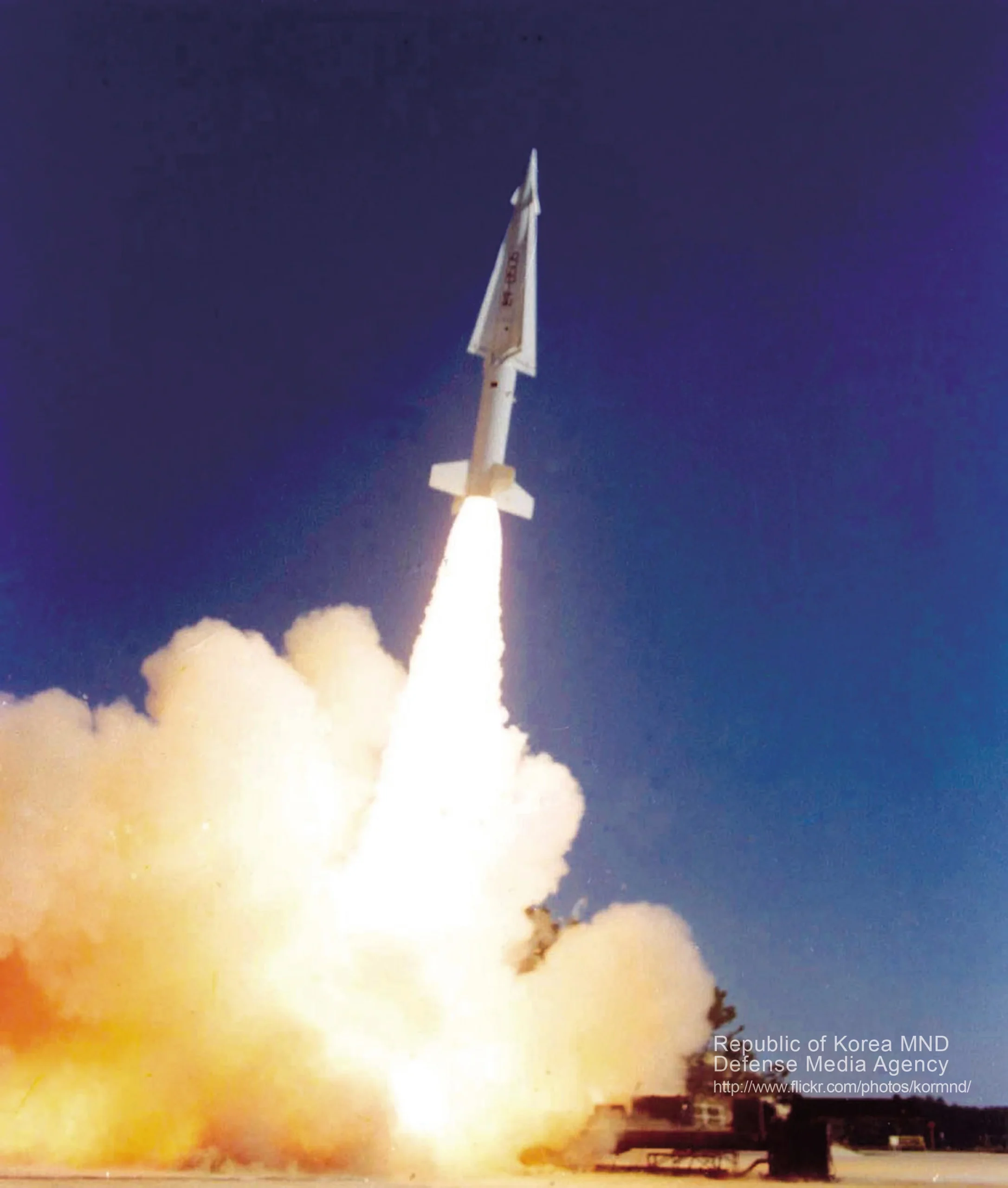
| Cheongung (KM-SAM) II/III | Indigenous medium-range air defence |
| L-SAM | Indigenous long-range air defence |
| Hyunmoo | Indigenous ballistic / cruise missile |
| SM-2 / SM-6 (Aegis) | Naval air defence |
Naval Power
| Class / Type | Est. quantity |
|---|---|
| Total naval platforms | ≈ 230 |
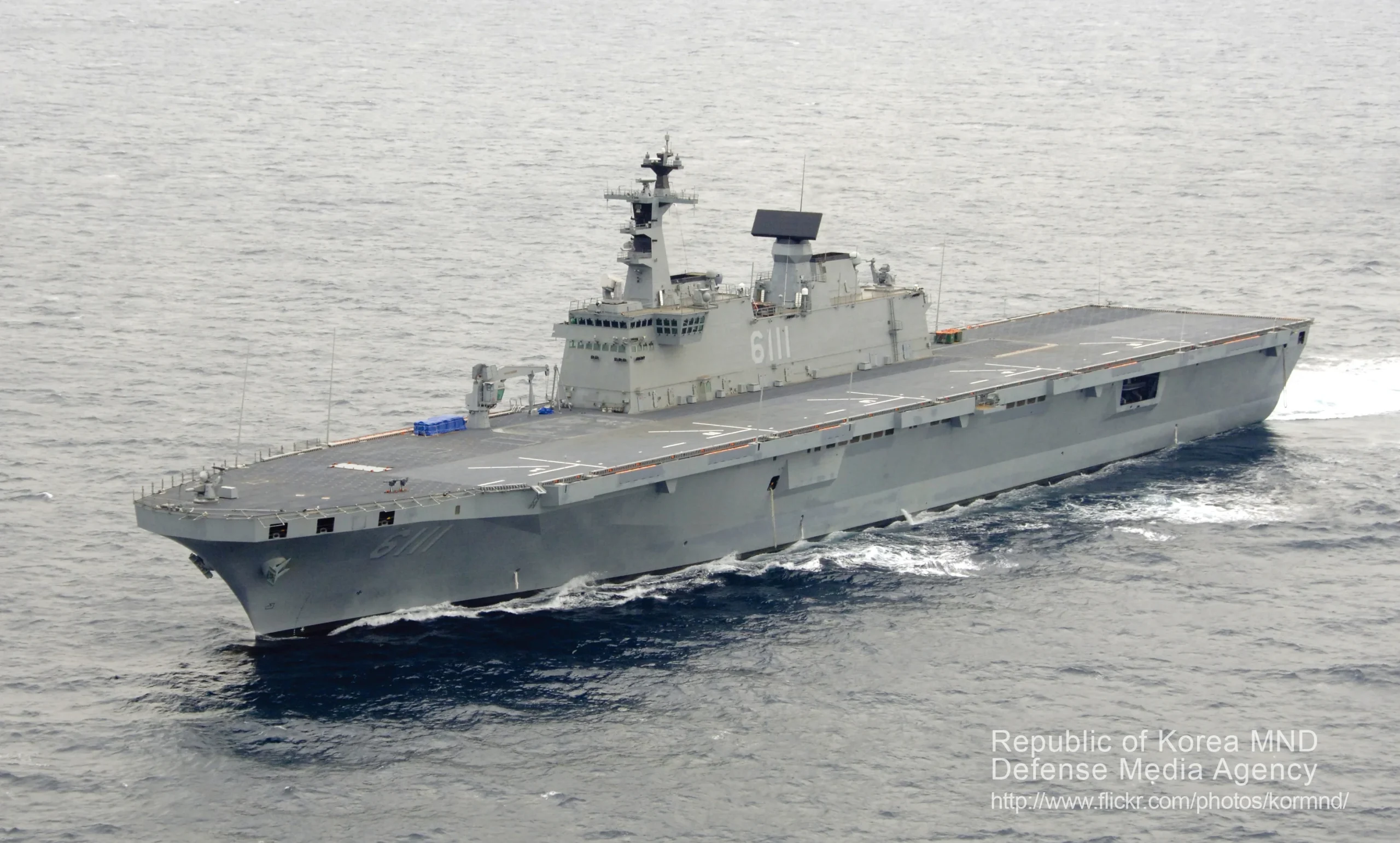
| Amphibious assault ship (Dokdo-class LPH) | 2 |
| Destroyers (Sejong the Great, Aegis) | ≈ 12 |
| Submarines (KSS-III, Son Won-il) | ≈ 20 |
The Turkey Angle: Turkish Defence Industry
South Korea is both an important technology partner and a competitor in global export markets for Turkey’s defence industry. The best-known link is in artillery: Turkey’s T-155 Fırtına self-propelled howitzer is based on South Korea’s K9 Thunder platform.
In the past, Korean solutions were considered for the Altay tank’s powerpack, and there have been contacts with KAI on training and combat aircraft. At the same time, the two are competitors that can meet in third-country markets — FA-50 versus HÜRJET, or K2 versus Altay. The relationship shows how cooperation and competition intertwine in the global defence industry.
Frequently Asked Questions
What is the KF-21 Boramae? South Korea’s 4.5-generation indigenous fighter, developed in partnership with Indonesia; it has completed first flights and is being prepared for serial production.
Why is South Korea a major exporter? Cost-effective, quickly deliverable systems such as the K9 howitzer, K2 tank and FA-50 aircraft have made it an attractive supplier for buyers like Poland.
What is the link between the K9 and the T-155 Fırtına? Turkey’s indigenous T-155 Fırtına howitzer was developed based on South Korea’s K9 Thunder platform.
Bottom Line
With a strong indigenous industry, high readiness and growing exports, South Korea fields one of Asia’s most capable militaries. For Turkey it is a multidimensional actor — both a technology partner and a competitor in export markets.