What are SDT’s missile electronics products?

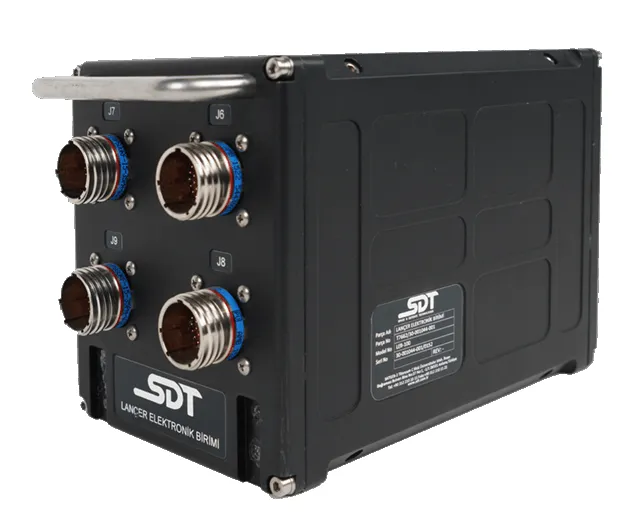
Quick answer: SDT develops the plug-and-play electronic sub-units of missile and rocket systems: a missile interface unit, a missile fire control unit, a missile launcher control unit, a launcher remote command system and a missile video encoding unit. The company also serially produces the electronic sub-assemblies of the HGK and KGK guidance kits designed by TÜBİTAK SAGE, the defense research institute of Turkey’s Scientific and Technological Research Council. According to a May 2026 note by Turkish brokerage A1 Capital, weapon and launcher systems account for 16.2 million dollars of the company’s 85.3 million dollar order backlog.
The unseen electronics of missile integration
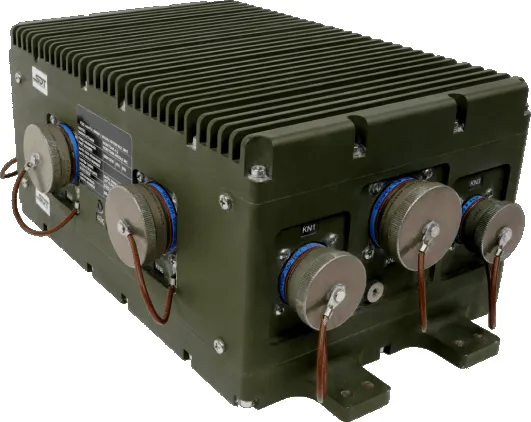
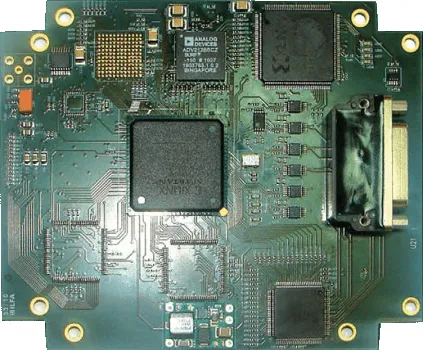
Integrating a missile onto a helicopter, an aircraft, a ship or a land vehicle requires every exchange between the two, from the firing command to status data, to be translated into the standards the platform uses. According to the company’s official pages, the Missile Interface Unit (FAB) is built on a Freescale PPC P2041 architecture and offers MIL-STD-1553 BC/BM/RT, Gigabit Ethernet, discrete interfaces and serial ports, serving as a building block in missile integration projects. The Missile Launcher Control Unit (FLKB) manages the electronics inside the launcher through a MIL-STD-1760 platform interface; it runs every step from the inventory report to firing and post-flight updates in a controlled sequence, and provides RS-170 video transfer along with a CANBUS interface for different missile types.
How does the product family break down?
| Product | Function | Notable feature |
|---|---|---|
| Missile Interface Unit (FAB) | Missile-to-platform communication and power management | P2041 processor, MIL-STD-1553, Gigabit Ethernet |
| Missile Fire Control Unit | Firing electronics of a medium-range anti-tank system | Tactical and simulation modes in one unit |
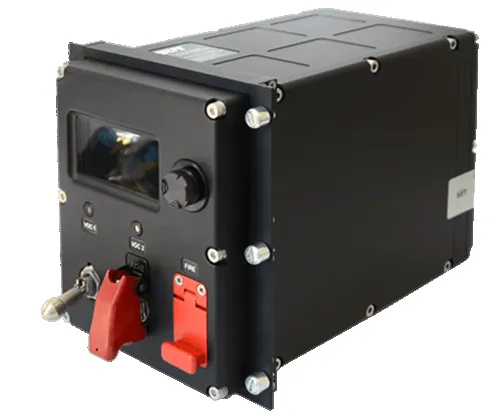
| Missile Launcher Control Unit (FLKB) | Launcher electronics and the safe firing chain | MIL-STD-1760, CANBUS, RS-170 video |
| Launcher Remote Command System | Launcher integration without platform software changes | FPGA/DSP architecture, 3 kg, OLED display |
| Video Encoding Unit (FGÇÜ) | Compression and transfer of the missile seeker image | JPEG 2000, RS-485, under two degrees of latency |
| HGK/KGK guidance electronics | Production of guidance kit tail and forward sub-assemblies | TÜBİTAK SAGE design, qualified production line |
Why does simulation matter in fire control?
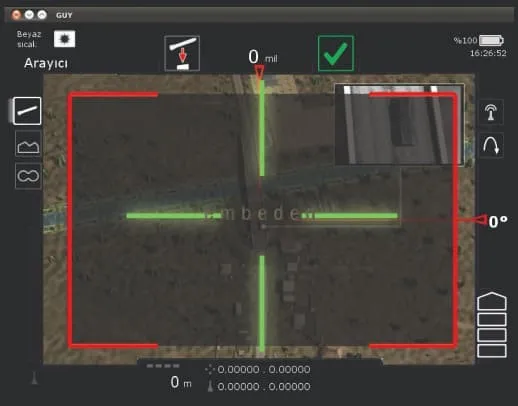
The Missile Fire Control Unit is the electronics work package of a medium-range anti-tank missile firing system, and it operates in two modes. Tactical mode manages live firing, while in simulation mode the same hardware becomes a training device with no external equipment required: the system can run different terrain scenarios, realistic weather conditions, static and moving targets, seeker image simulation and a shoot-and-update missile model. The approach combines weapon electronics with what the company has built up in its training simulators. The Launcher Remote Command System, for its part, allows missile rails to be integrated without a software change on the platform’s mission computer, communicating directly with the launcher electronics over RS422, CAN and Ethernet channels.
What is the role in HGK and KGK production?
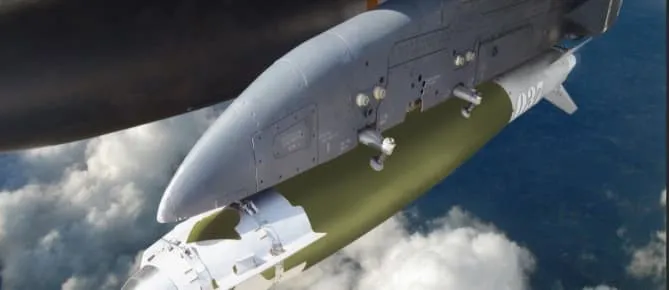
The HGK precision guidance kit turns Mk-82, Mk-83 and Mk-84 general purpose bombs into guided munitions using GPS and inertial navigation, while the KGK winged guidance kit gives Mk-82 and Mk-83 bombs a precision strike capability from more than 100 kilometers in all weather conditions. According to the official pages, both kits are TÜBİTAK SAGE designs; SDT produces and delivers the tail assembly and the forward sub-assembly of the guidance electronics package. Under the capacity plan set out in the A1 Capital note, the new campus in the Ankara Aerospace and Aviation Specialized Organized Industrial Zone (HAB) is intended to raise annual guidance kit electronics production capacity from 4,000 to 10,000 units. On the video side, the FGÇÜ compresses the missile seeker’s image with JPEG 2000 and passes it to the decoding unit on the launcher. The company profile is covered in full in the file on what SDT is, and the complete catalog appears in the product guide.
Frequently asked questions
Does SDT build missiles?
No. SDT does not develop the missile itself but its sub-units, such as integration, fire control, launcher management and guidance kit electronics.
Which missile programs receive these products?
The official pages name a medium-range anti-tank missile firing system and the HGK and KGK programs; other program names have not been officially disclosed.
What is the difference between HGK and KGK?
HGK makes a bomb precision guided; KGK adds a wing kit that extends glide range beyond 100 kilometers. Both are TÜBİTAK SAGE designs.
Which standards do the units meet?
The official pages list MIL-STD-1553, MIL-STD-1760, MIL-STD-810F/G environmental conditions, MIL-STD-461E EMI/EMC and MIL-STD-704F/1275D power standards.
Are the prices of these products known?
No, unit prices have not been officially disclosed. Weapon and launcher systems were reported to account for 16.2 million dollars of the order backlog.
Sources and verification note
Product characteristics are drawn from the official product pages; order backlog and capacity figures come from a brokerage note. Program and customer names are left out of the text to the extent that they have not been disclosed.
- https://www.sdt.com.tr/tr/cozumlerimiz/gorev-sistemleri/fuze-arayuz-birimi (Accessed: August 12, 2026)
- https://www.sdt.com.tr/tr/cozumlerimiz/gorev-sistemleri/fuze-atis-kontrol-unitesi (Accessed: August 12, 2026)
- https://www.sdt.com.tr/tr/cozumlerimiz/gorev-sistemleri/fuze-lanceri-kontrol-birimi (Accessed: August 12, 2026)
- https://www.sdt.com.tr/tr/cozumlerimiz/gorev-sistemleri/lancer-uzak-komuta-sistemi (Accessed: August 12, 2026)
- https://www.sdt.com.tr/tr/cozumlerimiz/gorev-sistemleri/video-kodlama-birimi (Accessed: August 12, 2026)
- https://www.sdt.com.tr/tr/cozumlerimiz/uretim-programlari/hgk-hassas-gudum-kiti-elektronigi (Accessed: August 12, 2026)
- https://www.sdt.com.tr/tr/cozumlerimiz/uretim-programlari/kgk-kanatli-gudum-kiti-elektronigi (Accessed: August 12, 2026)
- https://a1capital.com.tr/sdttr-toplanti-notu-ve-mali-gorunum/ (Accessed: August 12, 2026)