US to Triple PAC-3 MSE and Quadruple THAAD Interceptor Production

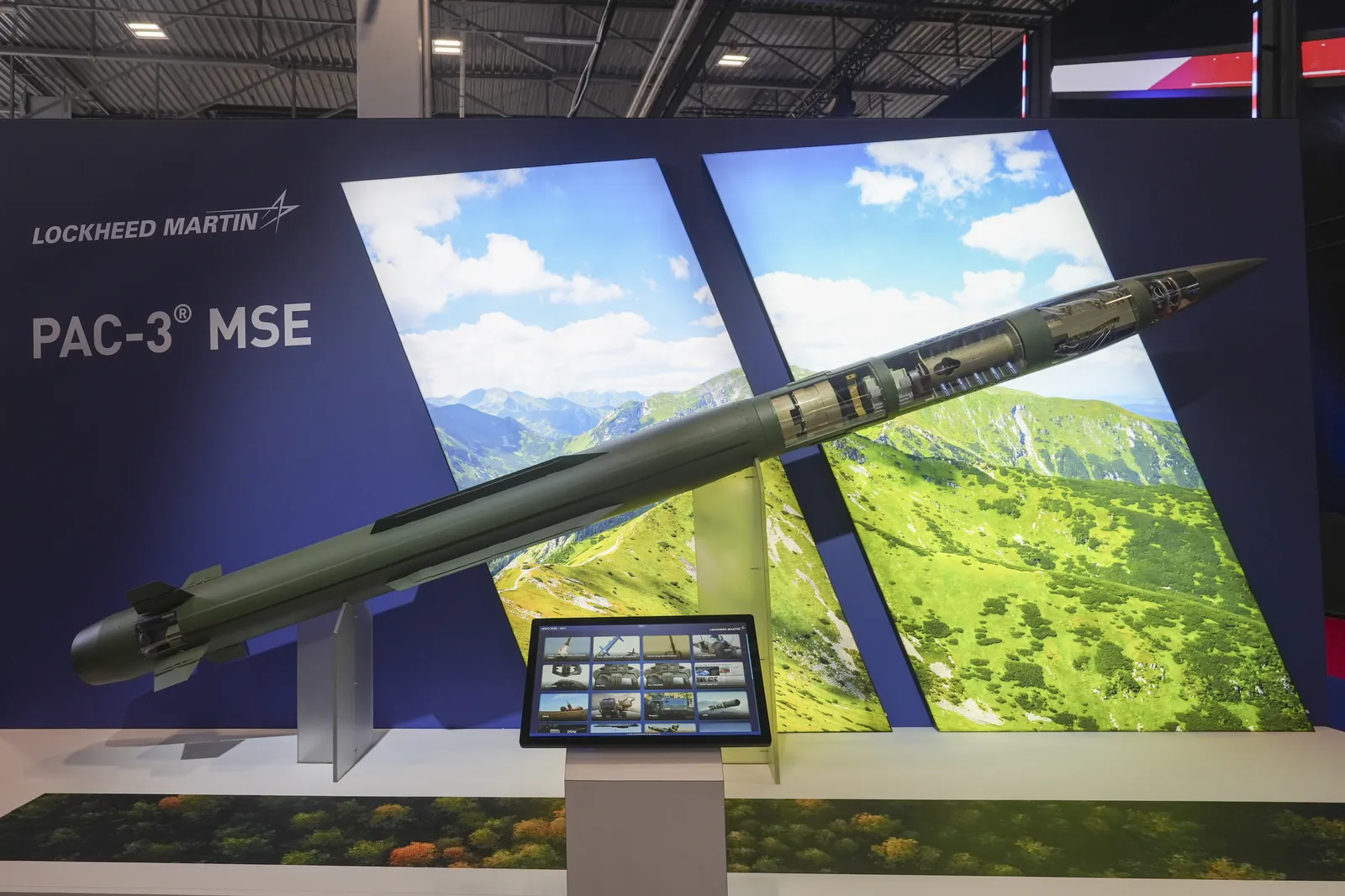
The U.S. Department of War signed seven-year agreements with General Dynamics and Lockheed Martin on August 31, 2026, aiming to triple PAC-3 MSE interceptor production and quadruple THAAD output. The deal lands as the Pentagon works to refill air and missile defense stockpiles depleted by sustained operations over the Middle East and support for Ukraine.
At a Glance
- The agreements were announced August 31, 2026, between the Department of War, General Dynamics Ordnance and Tactical Systems, and Lockheed Martin.
- PAC-3 MSE interceptor production capacity will triple.
- THAAD (Terminal High Altitude Area Defense) interceptor production capacity will quadruple.
- General Dynamics will manufacture motor cases, seeker housings, midsections, and shroud deployment systems.
- The deals run seven years, with actual output increases contingent on annual congressional appropriations.
Background
PAC-3 MSE serves as the terminal-phase interceptor within Patriot batteries, engaging ballistic missiles, cruise missiles, and aircraft. THAAD operates as a separate, higher-altitude layer designed to intercept ballistic missiles near the edge of the atmosphere. Both systems have seen intense use in recent Middle East air defense operations, and the resulting drawdown pushed the Pentagon to widen its industrial base rather than simply reorder more of the same.
Under Secretary of War Michael P. Duffey called the agreements “an example of the evolution of how we partner with industry to expand the Arsenal of Freedom, outpace emerging threats.” The department has framed the move as part of a broader push to cut bureaucratic red tape and scale domestic manufacturing quickly. Unlike previous multibillion-dollar procurement contracts for finished interceptors, this deal specifically targets production-line capacity — physical tooling and supply-chain expansion rather than a one-time order.
Regional Impact
Turkey does not field Patriot or THAAD, relying instead on the S-400 and its indigenous SİPER/HİSAR air-defense family. Still, the supply bottleneck Washington is now racing to fix — one severe enough to require a seven-year industrial commitment — illustrates the wartime risk countries face when dependent on imported interceptor stocks. It reinforces the rationale behind Turkey’s push for domestic production lines under SİPER and HİSAR. The broader NATO missile-defense capacity increase also touches Turkey indirectly, as a member of the alliance’s shared air-defense architecture.
FAQ
What’s the core difference between PAC-3 MSE and THAAD?
PAC-3 MSE provides lower-altitude terminal defense as part of a Patriot battery, while THAAD intercepts threats at much higher altitude, near the edge of the atmosphere, as a separate layer.
When will the production increase materialize?
The agreements set a seven-year framework; capacity gains will roll out gradually and remain subject to yearly congressional funding approval.