Four NATO States Just Placed the Biggest Piorun Order in the Missile’s History

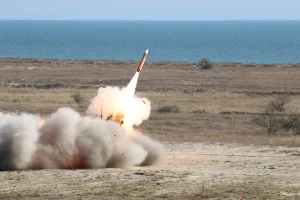
MESKO, the missile arm of Poland’s state-controlled PGZ group, has signed the largest order in the history of the Piorun shoulder-fired air defence missile. The contract is worth 8 billion zloty — roughly $2.16 billion — and covers Poland, Lithuania, Latvia and Norway. Deliveries run through 2030.
A consortium formed by a state, not a company
The structure is the story here. The deal was assembled under EDIRPA, the European Union’s instrument for encouraging member states to buy defence equipment together rather than one at a time, with part of the cost underwritten from the EU budget. The goal is to replace the fragmented national purchasing that characterised the first two years of the Ukraine war with something closer to a common stockpile.
Poland’s defence ministry called it “the largest contract in history for the purchase of Piorun MANPADS,” and noted it was “the first agreement of this type where the consortium is formed not by a company, but by a state.” Warsaw, in other words, did not merely sell its own product — it organised the purchase on behalf of three other capitals.
Secretary of State Magdalena Sobkowiak-Czarnecka described the missile as “our export hit” and pointed to its adoption by the US Army.
Who gets what
Quantities were not disclosed. Poland’s ministry did say that roughly 80 per cent of the equipment will go to Polish forces, with the remainder split between Lithuania, Latvia and Norway.
Poland’s share reflects a specific architectural gap. Warsaw is fielding Patriot-based Wisła at long range and CAMM-based Narew in the medium tier. Piorun occupies the bottom rung — very short-range air defence at unit level, the layer that answers helicopters, drones and cruise missiles arriving low and late.
Why Piorun sells
Piorun — Polish for “thunderbolt” — is the modernised successor to the Soviet-era Grom. MESKO improved the seeker, added proximity and directional warhead options, enabled night engagement and hardened the missile against jamming.
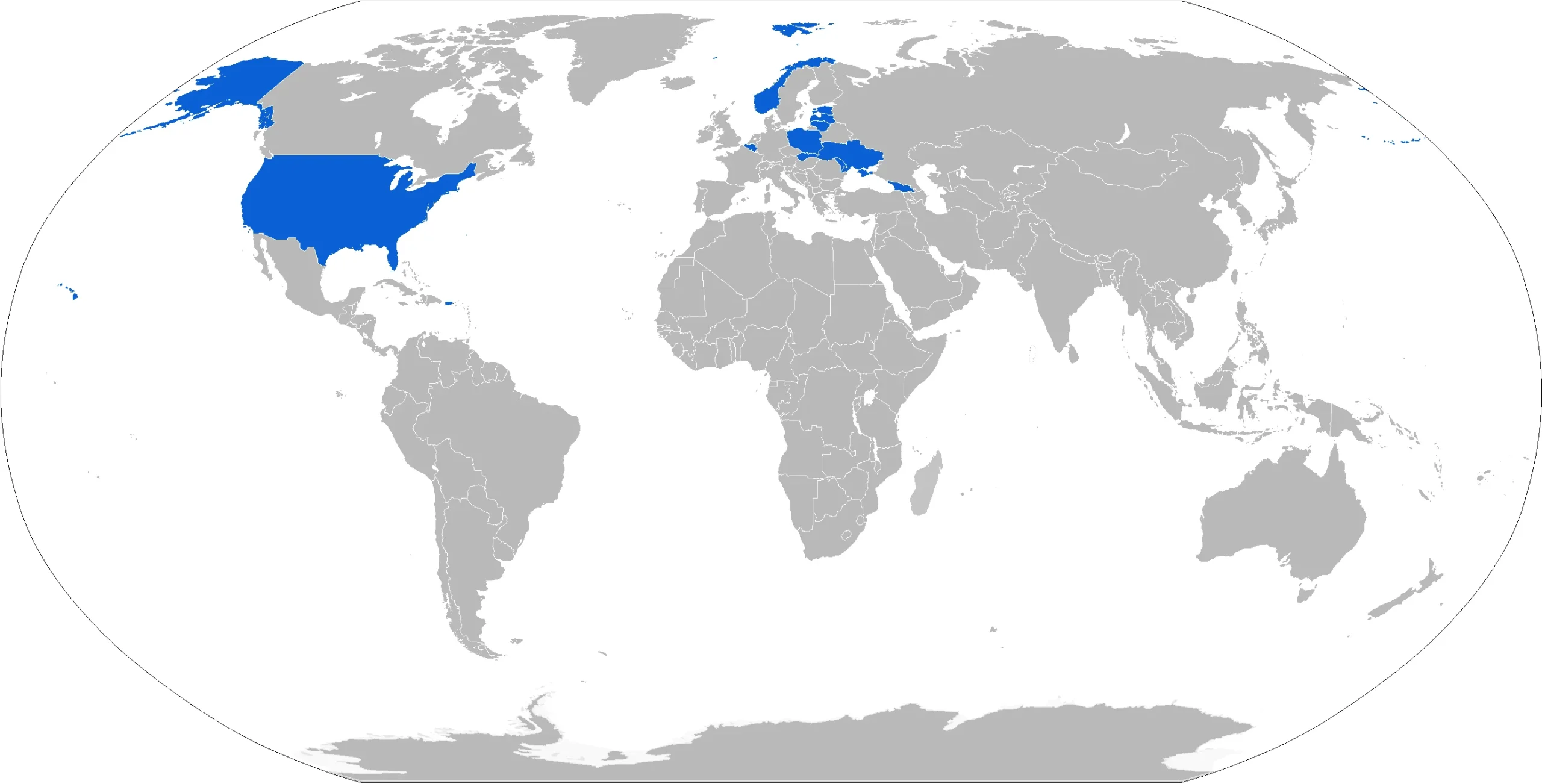
The proximity fuze is the detail that matters most commercially. A missile that no longer needs a direct hit is a far more credible answer to a small drone with a weak thermal signature, and Ukraine’s combat record with the system turned that engineering choice into an export argument. Piorun now serves with Belgium, Estonia, Georgia, Latvia, Lithuania, Moldova, Norway, Poland, Sweden, Ukraine and the United States.
The wider signal
Very short-range air defence spent three decades as an afterthought in Western armies, on the assumption that NATO would own the sky. Ukraine dismantled that assumption from two directions: nobody held durable air superiority, and the threat migrated from expensive aircraft to drones produced by the thousand.
The cost arithmetic did the rest. Shooting down a few-thousand-dollar airframe with a long-range interceptor is a losing exchange, and MANPADS-class systems are the layer that fixes it.
For non-EU suppliers, the procedural precedent is worth watching more closely than the contract value. Europe is now running joint procurement not as a policy paper but as a billion-dollar mechanism — one that does not formally exclude outside vendors, but does put a thumb on the scale for solutions inside the bloc.
Sources
- Polish Ministry of National Defence (MON) statements
- Polska Grupa Zbrojeniowa (PGZ) / MESKO corporate announcement
- Breaking Defense, 24 August 2026
- European Commission EDIRPA programme documentation