Quantum Systems Raises $1.2 Billion: Europe’s Drone Push

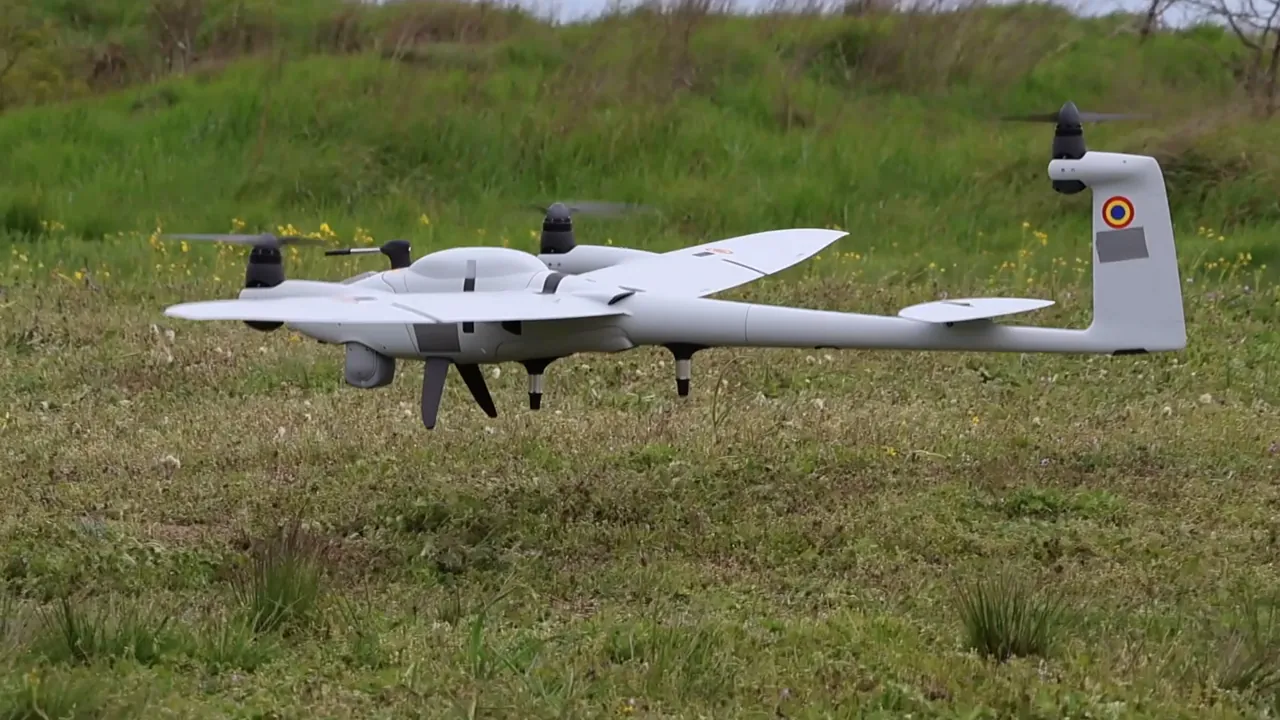
Europe’s unmanned-systems industry has seen a major capital inflow. According to Quantum Systems, the company closed a $1.2 billion Series D round, more than doubling its previous valuation to roughly $8 billion. The round was co-led by Blackstone, Airbus, Advent and Noteus.
The company is shifting from building individual unmanned platforms to an interoperable ‘family’ of systems tied together by a software ecosystem it calls MOSAIC. The deepened partnership with Airbus binds that vision to the goal of ‘accelerating next-generation sovereign European defence capabilities.’
Who Is Quantum Systems and What Does It Do?
Quantum Systems is a Germany-based maker of unmanned aircraft and autonomous systems. It is known mostly for small and medium reconnaissance drones; platforms such as Vector and Reliant are positioned as vertical-takeoff, rapidly deployable surveillance assets.
The direction the company emphasizes is a shift from single vehicles to a system. Its MOSAIC software ecosystem folds different unmanned platforms into one network so they operate together. This ‘family’ approach aims to sell not a single drone but an interconnected fleet of unmanned systems.
Inside the Record Round
The $1.2 billion round is one of the largest capital moves seen in European defense-tech startups. Co-led by Blackstone, Airbus, Advent and Noteus, it also drew BOND, Fidelity, Wellington, A.P. Moller Holding and Elephant Lake Ventures. The company’s valuation more than doubled with the round.
The use of proceeds falls under four headings: expanding production capacity, strengthening supply-chain resilience, scaling delivery to allied markets, and deepening software and AI investment. The company says its systems flew more than 19,000 missions in Ukraine in 2025, signaling that field experience was a core rationale for the investment.
| Item | Detail |
|---|---|
| Company | Quantum Systems (Germany) |
| Round | Series D — $1.2 billion |
| Valuation | ~$8 billion |
| Lead investors | Blackstone, Airbus, Advent, Noteus |
| Products | Vector, Reliant (reconnaissance drones) |
| Software | MOSAIC unmanned-systems ecosystem |
| Field record | 19,000+ missions in Ukraine (2025) |
| Partner | Airbus (strategic collaboration) |
Europe’s Search for a ‘Sovereign’ Drone
The war in Ukraine showed that unmanned systems now sit at the center of modern warfare. Europe, in turn, recognized how dependent it had become on outside sources, especially US and Turkish systems. This investment in Quantum Systems, bringing in a giant like Airbus, reads as Europe’s effort to build its own ‘sovereign’ unmanned-systems industry.
The company’s focus is mostly small and attritable reconnaissance drones, a different segment from armed, long-endurance combat unmanned aircraft. Even so, the $8 billion valuation shows how seriously Europe is now funding this market.
What It Means for Türkiye and Baykar
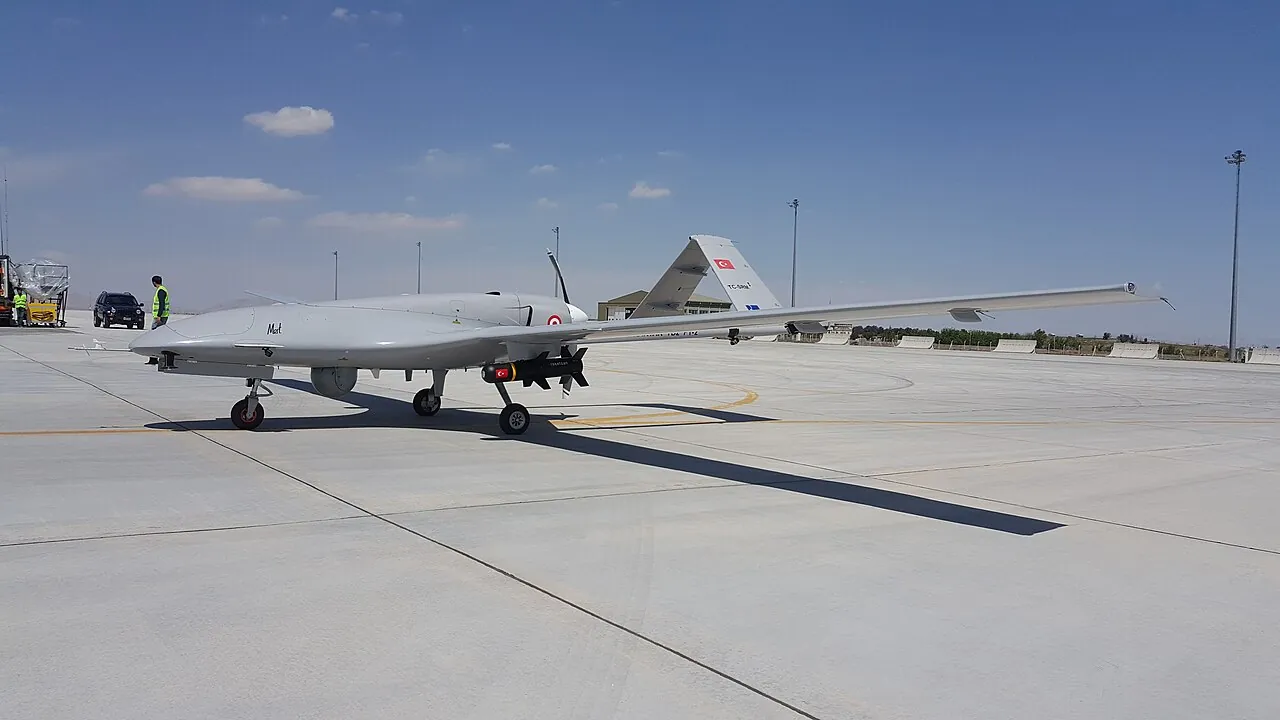
Türkiye sits at the center of today’s global picture in unmanned aircraft. Baykar’s Bayraktar TB2 has been exported to more than 30 countries, and with the AKINCI and the jet-powered Kızılelma the company has become one of the world’s leading players in the armed and combat unmanned aircraft segment. That lead was built on field performance and competitive cost.
The investment in Quantum Systems can be read as Europe’s answer to exactly this picture. But the two companies’ focuses differ: Quantum concentrates mostly on small reconnaissance drones, while Baykar leads in armed MALE and combat unmanned aircraft. The investment therefore targets an adjacent segment rather than Baykar’s direct market.
Competition is nonetheless rising. Baykar is expanding its production and market network in Europe, and its acquisition of Italy’s Piaggio Aerospace gave it an industrial footprint on the continent. Europe’s push to create an $8 billion unmanned-systems champion shows that Turkish industry must lean on innovation and cost advantage to hold its lead in this field.
Frequently Asked Questions
What is Quantum Systems?
How big is the funding round?
What is Airbus’s role?
Is this a threat to Baykar?
Conclusion
The $1.2 billion investment in Quantum Systems shows Europe’s resolve to build its own sovereign unmanned-systems industry. Türkiye and Baykar, meanwhile, hold their lead through field performance, cost advantage and depth in the armed and combat segment. Europe’s move sharpens competition, yet the segment where Turkish industry stands out remains distinct for now.