ONUR’s Renewable Energy Business: Solar Plants and Tracking

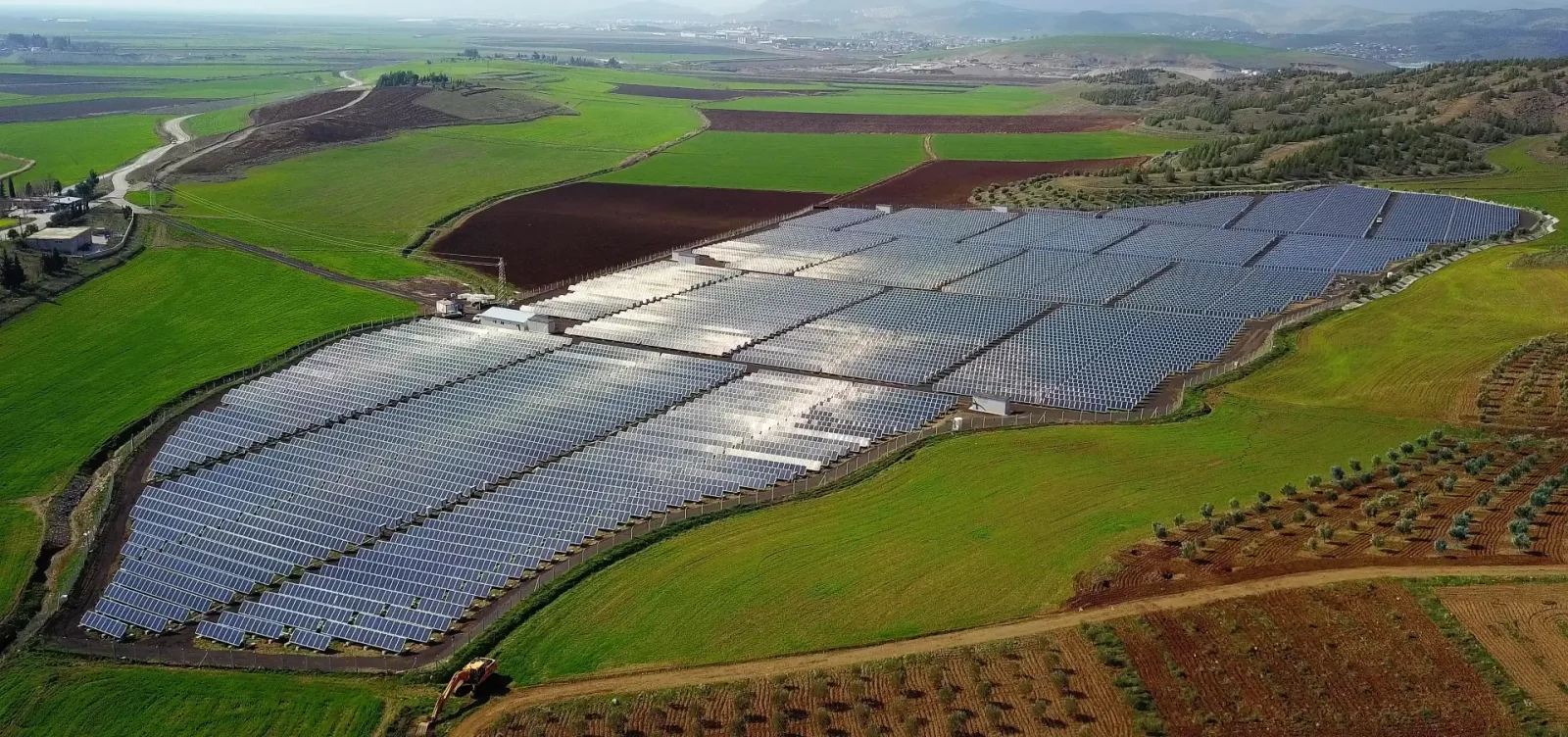
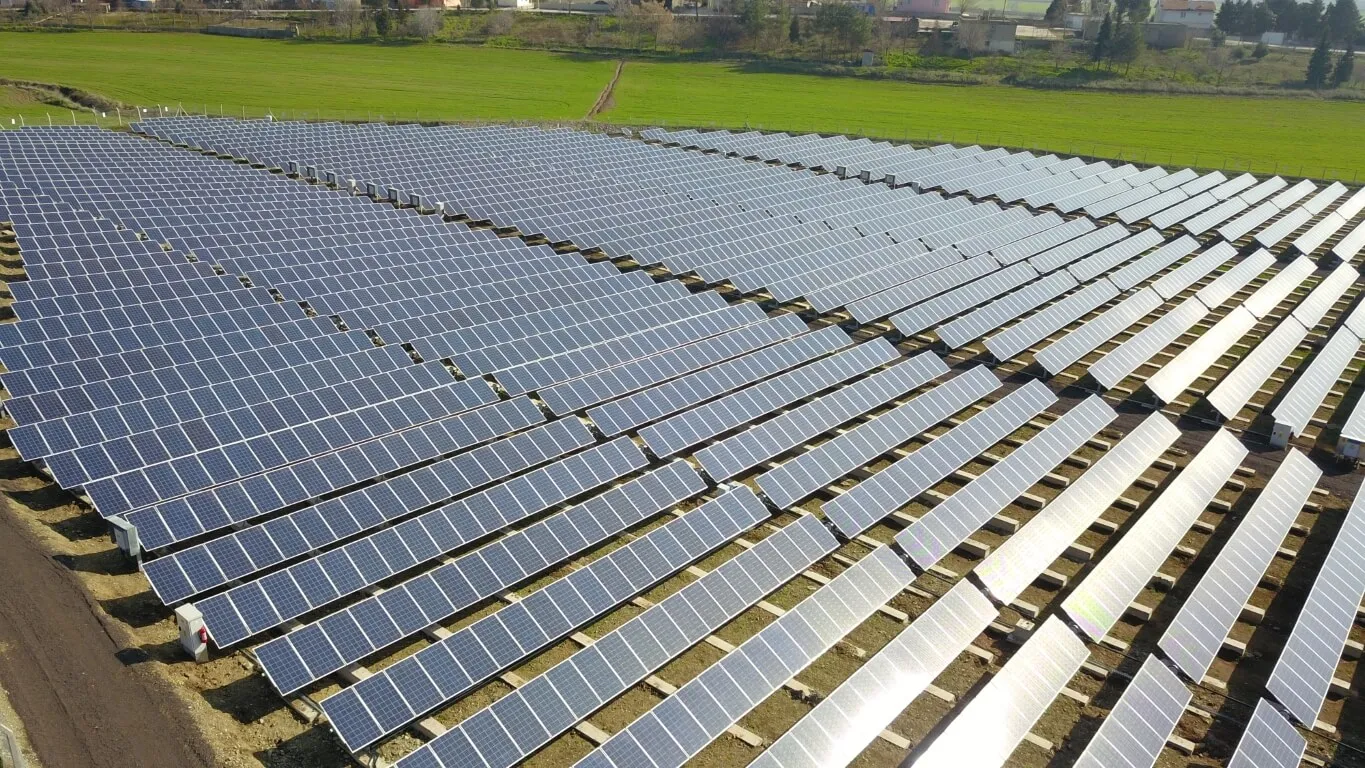
Quick answer: ONUR Yuksek Teknoloji has also been active in renewable energy since 2016, alongside its defense and aviation electronics business. The company manufactures its own single-axis solar tracking system, builds turnkey solar power plants (EPC), and operates solar plants in its own portfolio. Per the company’s history, Turkey’s largest grid-scale solar tracking system was designed and built by ONUR in 2016. The current portfolio includes the licensed Turkoglu plant in Kahramanmaras and the Hasanbeyli plant in Osmaniye, plus 26.45 MWp of unlicensed capacity across three provinces.
Portfolio table
| Facility | Location | Installed capacity | Annual output (stated) |
|---|---|---|---|
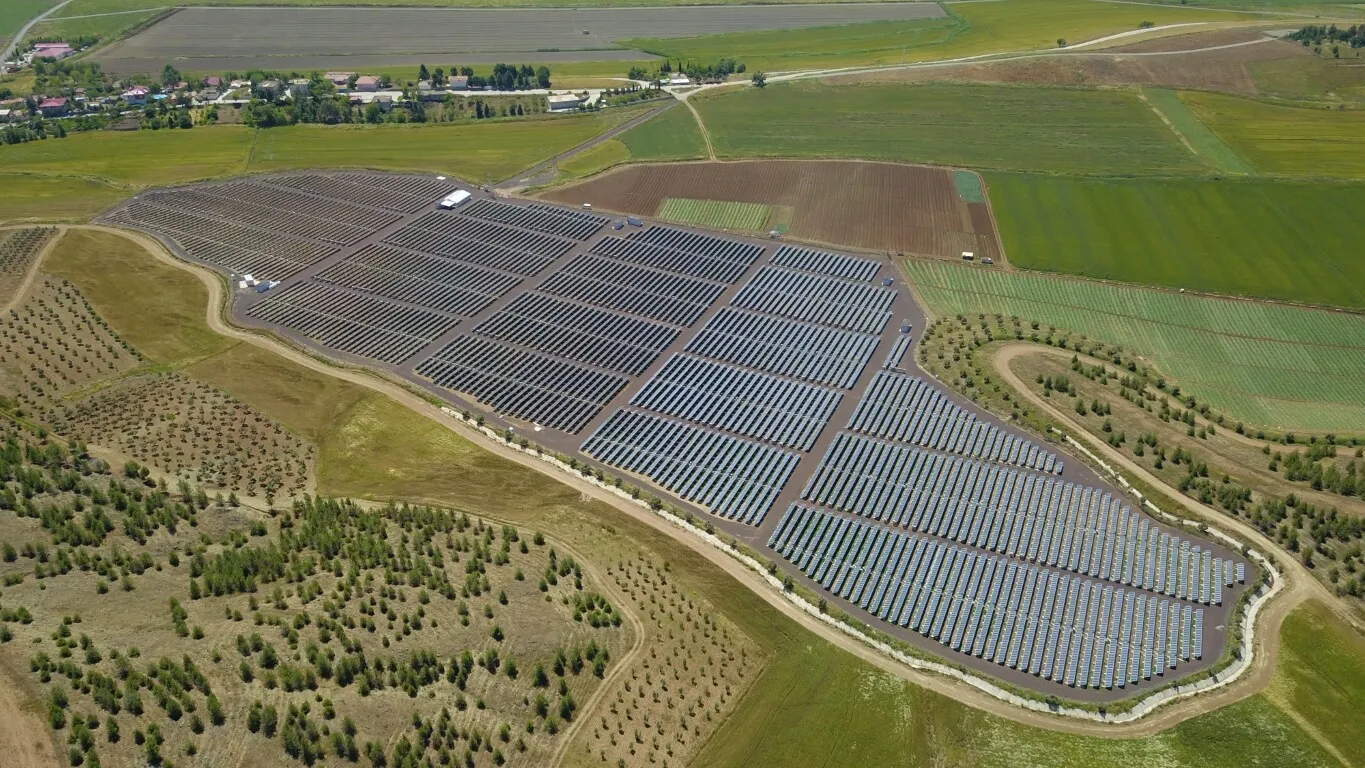
| Turkoglu solar plant | Kahramanmaras | 5.95 MWp | ~11 million kWh |
| Hasanbeyli solar plant | Osmaniye | 5.50 MWp | ~10.8 million kWh |
| Unlicensed plants | Kahramanmaras, Osmaniye, Kirikkale | 26.45 MWp (total) | Not officially disclosed. |
| Target (2026-2027) | – | 100 MWe storage-integrated capacity | ~270 million kWh target |
Solar tracking system
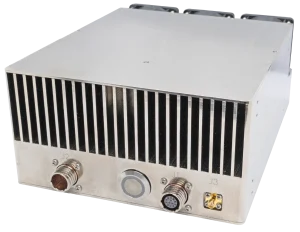
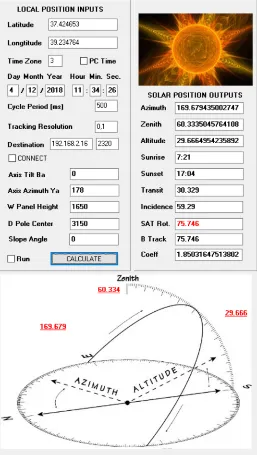
The company’s flagship energy product is a single-axis tracking system that rotates panels to follow the sun’s position throughout the day. Per the company, the system delivers a 15-25 percent efficiency gain over fixed structures and tightens land use with a narrow-spacing layout option. The tracker’s mechanical design and control software are developed in-house; software that calculates the sun’s position from latitude, longitude, and time data continuously updates the panel angle through the day. This engineering approach sits under the same roof as the company’s embedded-systems expertise in communications electronics; its defense-side product family is summarized in the products guide.
Storage-integrated growth plan
Per the company’s official energy page, the target is to reach 100 MWe of storage-integrated capacity in the 2026-2027 period, with an investment of roughly 90 million dollars foreseen for this. If the plan is realized, annual output is projected to rise to roughly 270 million kWh — about twelve times the current level. The company also trades carbon credits through emission certificates generated by its renewable output, and provides EPC and operations-and-maintenance services to third parties. The financing model for the investment has not been officially disclosed; information on the use of IPO proceeds appears in the prospectus and KAP filings referenced in the main company file.
Why does a defense company generate power?
Adding an energy investment alongside a core defense business is not uncommon in the Turkish defense ecosystem; plants that generate steady cash flow help balance the volatility of project-based defense revenue. In ONUR’s case there is an additional link: its solar tracking system is a direct application of the company’s electromechanical design and embedded control-software expertise. Since the IPO, the energy business has been reported in investor presentations as a third core segment alongside communications and aviation integration.
Plants in the earthquake zone
Kahramanmaras and Osmaniye, the center of gravity of the portfolio, are provinces affected by the February 2023 earthquakes. The company’s official page contains no separate statement about how the plants were affected by the earthquake; that the facilities are operational is a statement on the current page. The open-field steel structures of solar plants are generally considered relatively resilient to earthquake damage compared with building stock, though regional grid outages can still affect production sales. As a publicly traded company, such operating risks are reported in the risk section of its activity reports. The storage-integration target is also a step toward operating flexibility, allowing output to be shifted against fluctuations in the regional grid.
Frequently asked questions
Where are ONUR’s power plants?
Licensed plants are in Kahramanmaras Turkoglu (5.95 MWp) and Osmaniye Hasanbeyli (5.50 MWp); unlicensed plants total 26.45 MWp across Kahramanmaras, Osmaniye, and Kirikkale.
What does the solar tracking system deliver?
Per the company, it delivers 15-25 percent more energy output compared with a fixed system.
When is the 100 MWe target due?
The company states it aims to reach storage-integrated capacity of 100 MWe in the 2026-2027 period, with the investment size stated at roughly 90 million dollars.
Does ONUR sell carbon credits?
Yes; the company states it trades carbon credits through emission certificates generated by its renewable output.
Sources and verification note
Capacity and target figures come from the company’s official renewable energy page; the efficiency gain and investment amount are company statements. (Accessed: August 13, 2026)
- https://www.onur.net/tr/yenilenebilir-enerji/ — portfolio, tracking system, 100 MWe target
- https://www.onur.net/tr/kurumsal/ — 2016 sector entry and largest grid-scale tracking system record
- https://www.onur.net/tr/yatirimci-iliskileri/ — segment reporting and financial statements