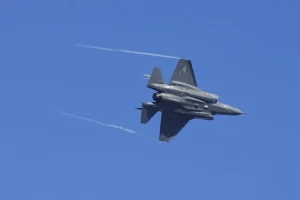
Japan’s Military Strength: Helicopter Carriers and the F-35 (2026)

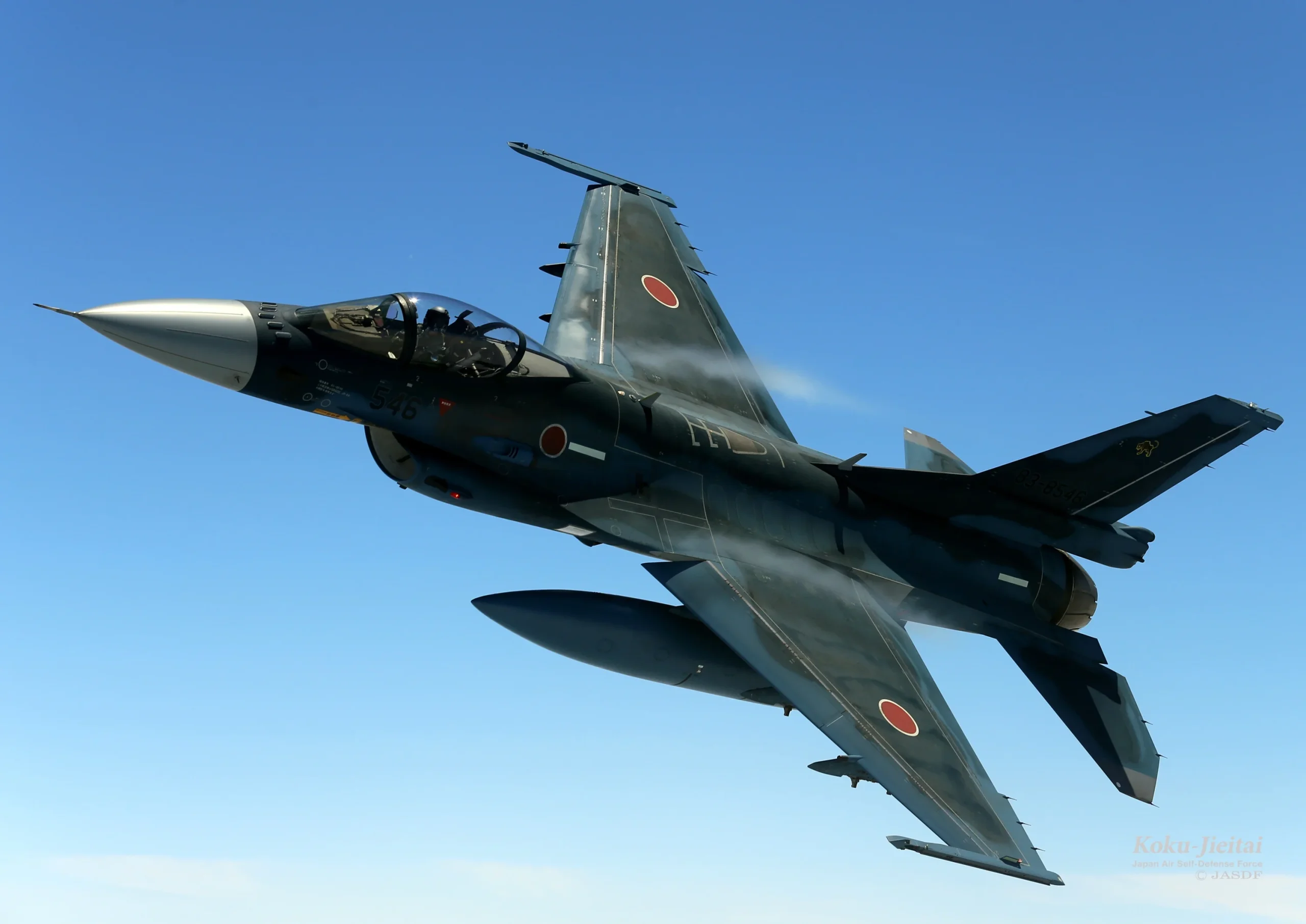
Japan’s military inventory is an advanced structure that has strengthened rapidly in recent years despite a pacifist constitutional tradition. F-35s, Izumo-class ships (being converted to carry the F-35B), Aegis destroyers and Soryu/Taigei submarines reflect Japan’s growing role in the regional balance.
At a Glance
- Active personnel: ≈ 250.000
- Main battle tanks (Type 10/90): ≈ 1.000
- Military aircraft (total): ≈ 1.450
- Helicopter carriers (Izumo/Hyuga): 4
- Key fighters: F-35A/B, F-15J
- Future: GCAP (with UK-Italy)
Note: The inventory figures below are approximate values drawn from open sources such as Global Firepower, the IISS Military Balance and SIPRI.
About the Japan Armed Forces
The Japan Self-Defense Forces (JSDF) long remained defence-focused due to constitutional limits. But as the regional security environment changed, the country raised its defence budget and moved into new areas such as counterstrike capability.
The inventory is advanced and largely interoperable with the U.S., yet domestic contribution from firms such as Mitsubishi and Kawasaki is high. Japan is also pursuing the next-generation fighter programme GCAP with the UK and Italy.
Land Forces Inventory
| System type | Est. quantity |
|---|---|
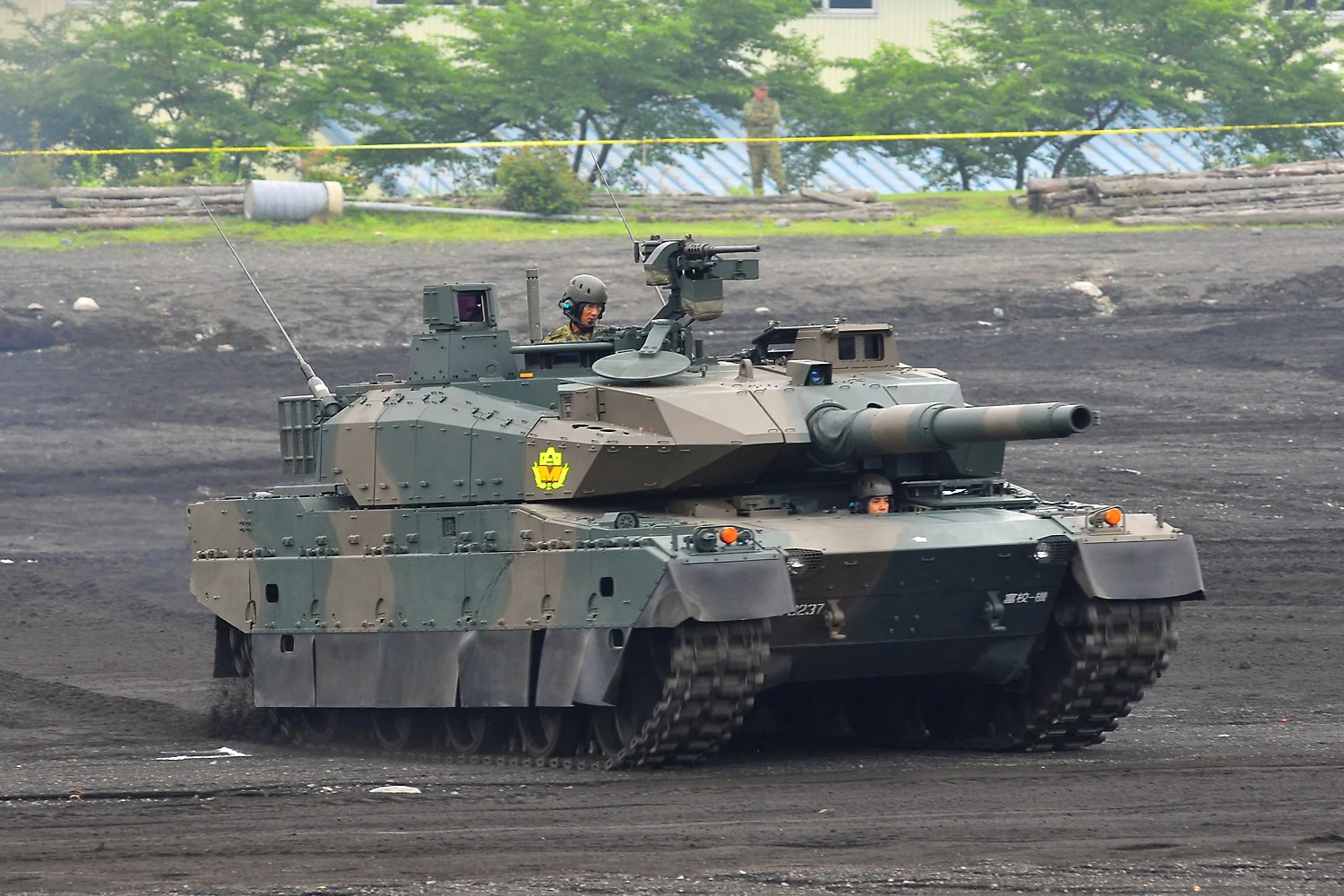
| Main battle tanks (Type 10, Type 90) | ≈ 1.000 |
| Armoured fighting vehicles (Type 16, Type 89) | ≈ 3.000 |
| Howitzers (Type 99, FH70) | ≈ 500 |
| MLRS | ≈ 100 |
Air Force Inventory
| Platform | Est. quantity |
|---|---|
| Total military aircraft | ≈ 1.450 |
| Fighters (F-35A/B, F-15J, F-2) | ≈ 320 |
| Transport / AEW (C-2, KC-767) | ≈ 60 |
| Helicopters | ≈ 600 |
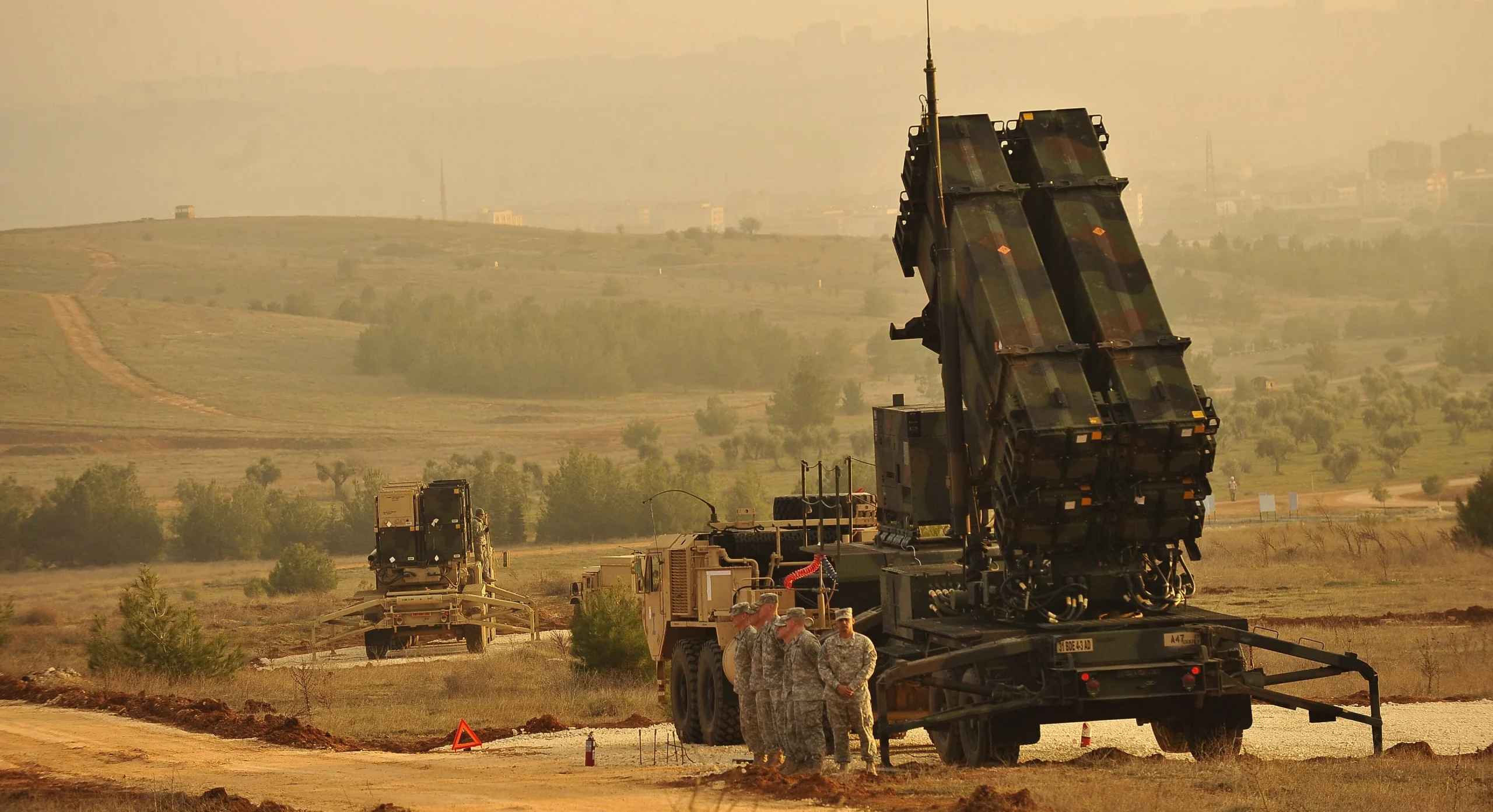
Missile and Air-Defence Systems
| System | Type / Note |
|---|---|
| Patriot PAC-3 | Upper-tier missile defence |
| Type 03 Chu-SAM | Indigenous medium-range air defence |
| Aegis BMD (SM-3) | Ballistic missile defence |
| Type 12 / Tomahawk | Counterstrike cruise missile |
Naval Power
| Class / Type | Est. quantity |
|---|---|
| Total naval platforms | ≈ 155 |
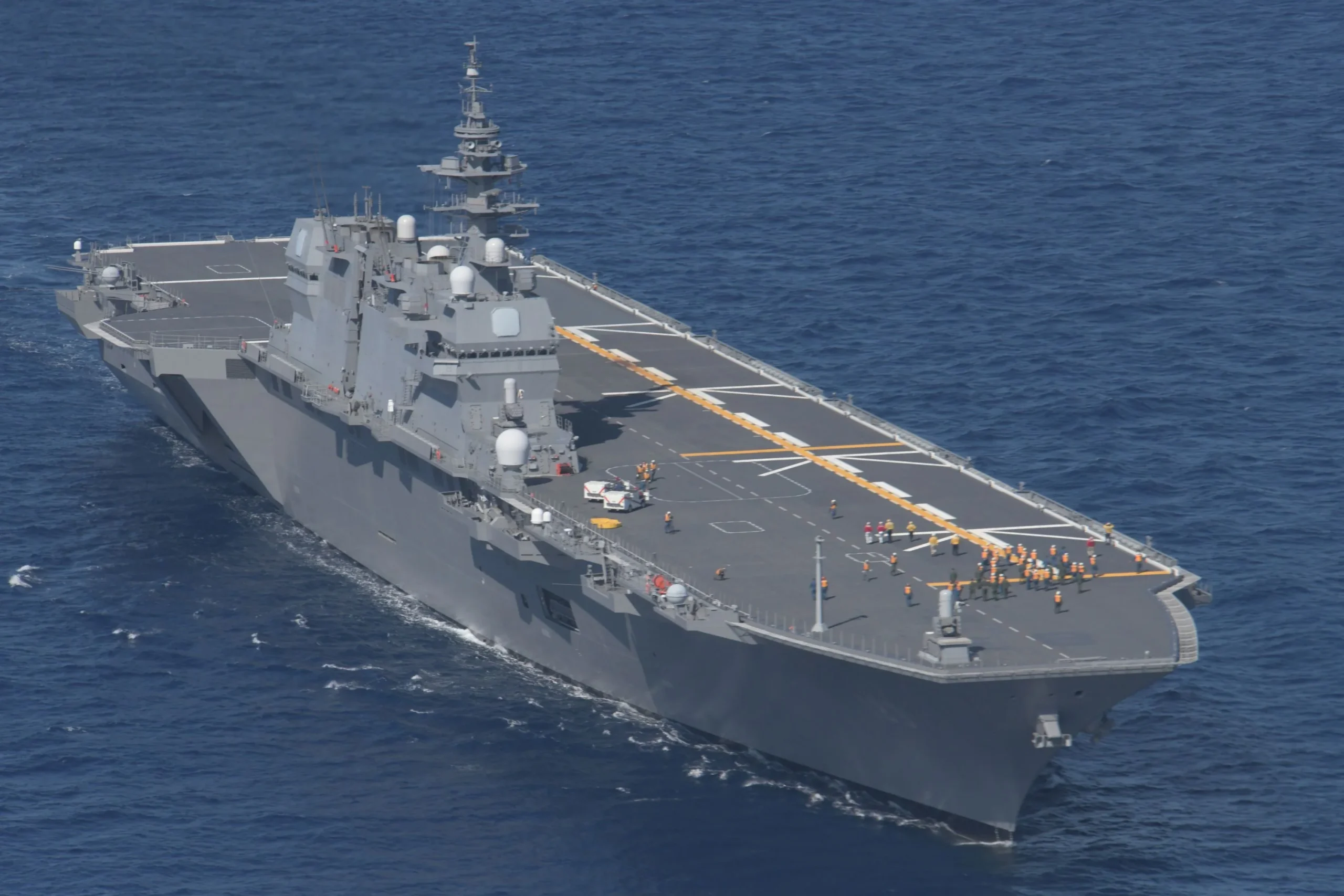
| Helicopter destroyers (Izumo, Hyuga) | 4 |
| Aegis destroyers (Kongo, Atago, Maya) | ≈ 8 |
| Submarines (Soryu, Taigei) | ≈ 22 |
The Turkey Angle: Turkish Defence Industry
Despite a deep history of friendship, there is no direct large-scale defence-procurement relationship between Japan and Turkey. The historic bond rests on a powerful goodwill legacy dating to the Ottoman frigate Ertuğrul, which sank off Japan in 1890.
In defence industry, both are actors developing next-generation fighters (Japan’s GCAP, Turkey’s KAAN) and advanced naval platforms. Japan’s easing of long-standing export restrictions is seen as a development that could open the way to future technology and industrial contacts between the two countries.
Frequently Asked Questions
Does Japan have an aircraft carrier? The officially ‘helicopter destroyer’ Izumo-class ships are being converted to carry the F-35B, effectively giving them a light-carrier character.
Why is Japan remilitarising? Changes in the regional security environment have led the country to raise its defence budget and pursue new capabilities such as counterstrike.
What is GCAP? A next-generation fighter programme Japan is developing jointly with the UK and Italy.
Bottom Line
With advanced Self-Defense Forces, a strong navy and rising defence investment, Japan is becoming a decisive actor in the Asia-Pacific balance. For Turkey it is a partner founded on deep friendship and open to future industrial cooperation.