





Indra Unveils Prisma-S Naval Radar at Euronaval 2026

Spanish defence and technology group Indra unveiled its new naval radar, Prisma-S, at the Euronaval 2026 exhibition in France. According to Spanish outlet Defensa.com, the system is an active electronically scanned array (AESA), fully digital radar developed to equip the next generation of European and allied warships.
Prisma-S can carry out air and surface surveillance simultaneously, while also handling long-range target detection and designation within a single sensor. Indra says the system adds a fourth variable, target speed, to the classic radar data set of range, azimuth and altitude. Combining these allows the radar to track a target’s trajectory and designate it with precision.
The manufacturer states the radar is designed to operate in saturated electromagnetic environments and against the countermeasures an adversary might deploy. Indra is positioning Prisma-S as the primary sensor for future European warships, capable of simultaneously performing anti-air warfare, anti-submarine warfare and target-designation functions.
Prisma-S is the newest addition to Indra’s naval radar catalogue. Alongside it, the company is showing its naval combat cloud, NIMBUS, at its Euronaval stand. NIMBUS is a multi-domain connectivity solution that shares information in real time between ships, unmanned surface vessels and aircraft; Indra says the system already demonstrated this during NATO’s REPMUS 26 exercise, linking ships, unmanned surface craft and the company’s TARSIS fixed-wing unmanned aircraft.
The company is also presenting its approach to seabed infrastructure protection at the show, citing gas pipelines, power-transmission cables, communications links and port networks among the European protection needs it addresses. Its submarine-focused portfolio includes the iKeeper-iS20 low-probability-of-intercept navigation radar, the TSUB-40 satellite communications system working in the X, Ka or Ku bands, and the PEGASO NG electronic-warfare and IFF system.
Prisma-S’s unveiling comes as European navies intensify sensor-supplier selections for next-generation frigate and corvette programmes. AESA-based multifunction radars, by tracking air, surface and submarine threats simultaneously through a single system, can reduce a ship design’s need for multiple separate radars, offering potential savings in both cost and the vessel’s electromagnetic signature.
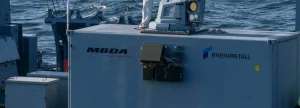
This year’s Euronaval saw heavy traffic in naval-systems unveilings: Germany’s Rheinmetall also showed its Kraken K3 unmanned surface vessel at the show, underlining that the event stood out this year for autonomous naval systems as well as radar. Seabed infrastructure security and unmanned systems are emerging as priority areas for European navies, alongside traditional platform procurement.
Spain’s own F110-class frigate programme, currently under construction for its navy, is seen as one candidate where an indigenous sensor like Prisma-S could be evaluated in the medium term. Indra already works alongside Spanish shipyards on such programmes, and products like NIMBUS and Prisma-S appear designed to operate together within the same shipboard architecture.
Indra has not yet announced a specific customer or contract for Prisma-S; the Euronaval appearance marks the product’s addition to the company’s catalogue. Seen alongside Indra’s other naval systems, Prisma-S is expected to be a strong candidate for future Spanish Navy shipbuilding programmes and potential export markets.
Sources:
Defensa.com, “Indra presenta en Euronaval Prisma-S, un radar diseñado para equipar a la próxima generación de buques militares”, 3 November 2026, defensa.com — Primary source for this report; technical details and show context are drawn from this article.