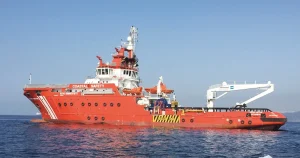
Hanwha Ocean Wins South Korea’s $5.1 Billion Destroyer Programme

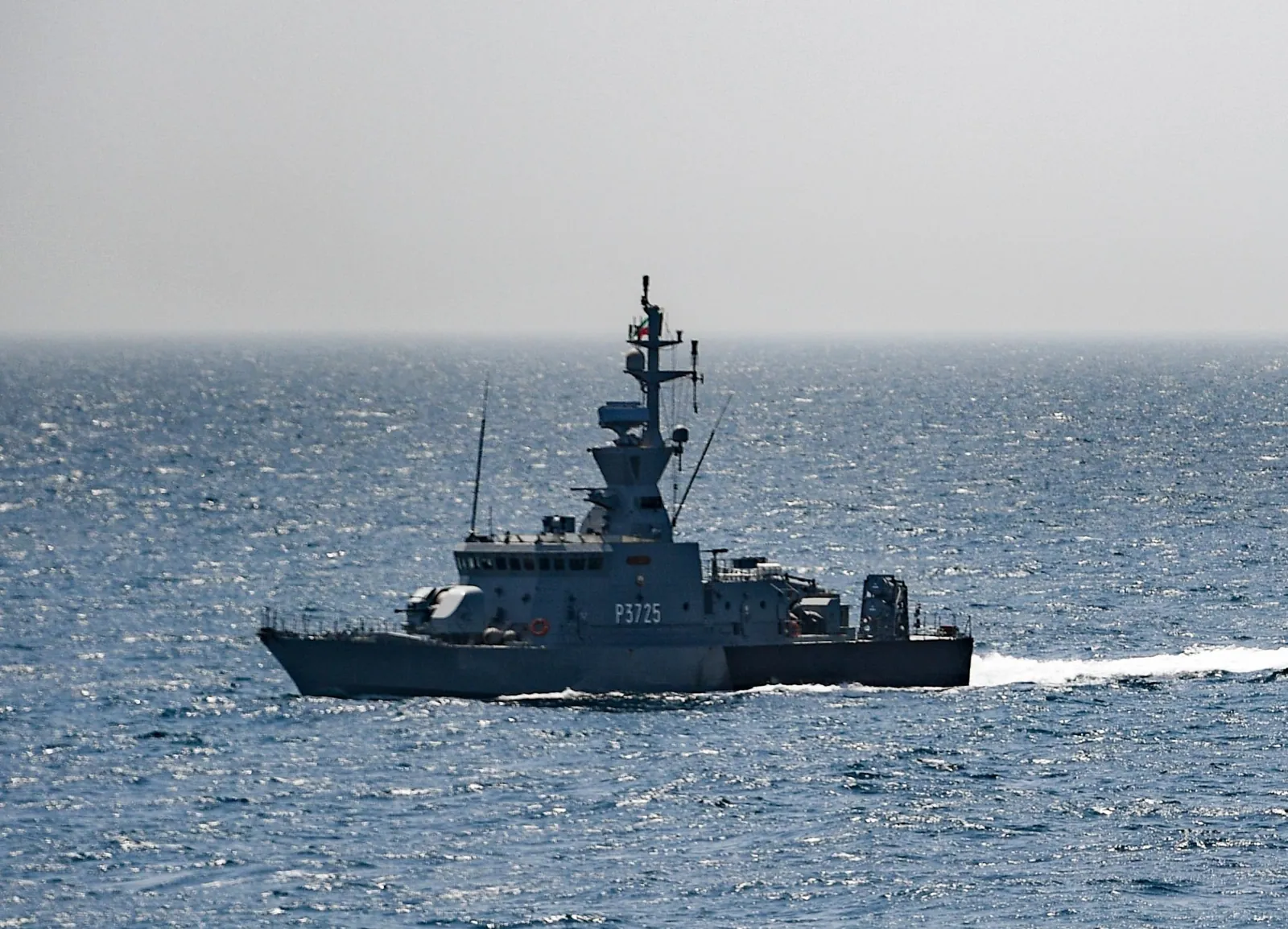
One of South Korea’s largest naval platform projects has found its builder. According to the Defense Acquisition Program Administration (DAPA), Hanwha Ocean was chosen as preferred bidder for the KDDX (Korea Destroyer Next Generation) program, worth 7.8 trillion won (about $5.1 billion).
Hanwha Ocean beat rival HD Hyundai Heavy Industries in the tender. KDDX aims to build six next-generation destroyers with domestically developed technologies; the planned 6,000-tonne Aegis destroyers will offer capabilities comparable to the 7,100-tonne Sejong the Great class, currently the navy’s most powerful warships.
What Is the KDDX Program?
KDDX (Korea Destroyer Next Generation) is the next-generation destroyer class South Korea’s navy will develop with indigenous technology. The roughly 6,000-tonne ships will be fitted with an Aegis-like integrated combat system and will form the core of the navy’s air defense, anti-ship and land-attack capabilities. The program is one of the flagship projects of Korea’s drive to localize its defense industry.
The program’s standout feature is the indigenous development of critical components. Radar, combat management system and weapons are largely to be supplied by Korean firms. This aims to make South Korea more competitive in warship exports too; the country has been pursuing major naval platform tenders in Australia, Poland and other markets in recent years.
A Two-Year Dispute and Its Resolution
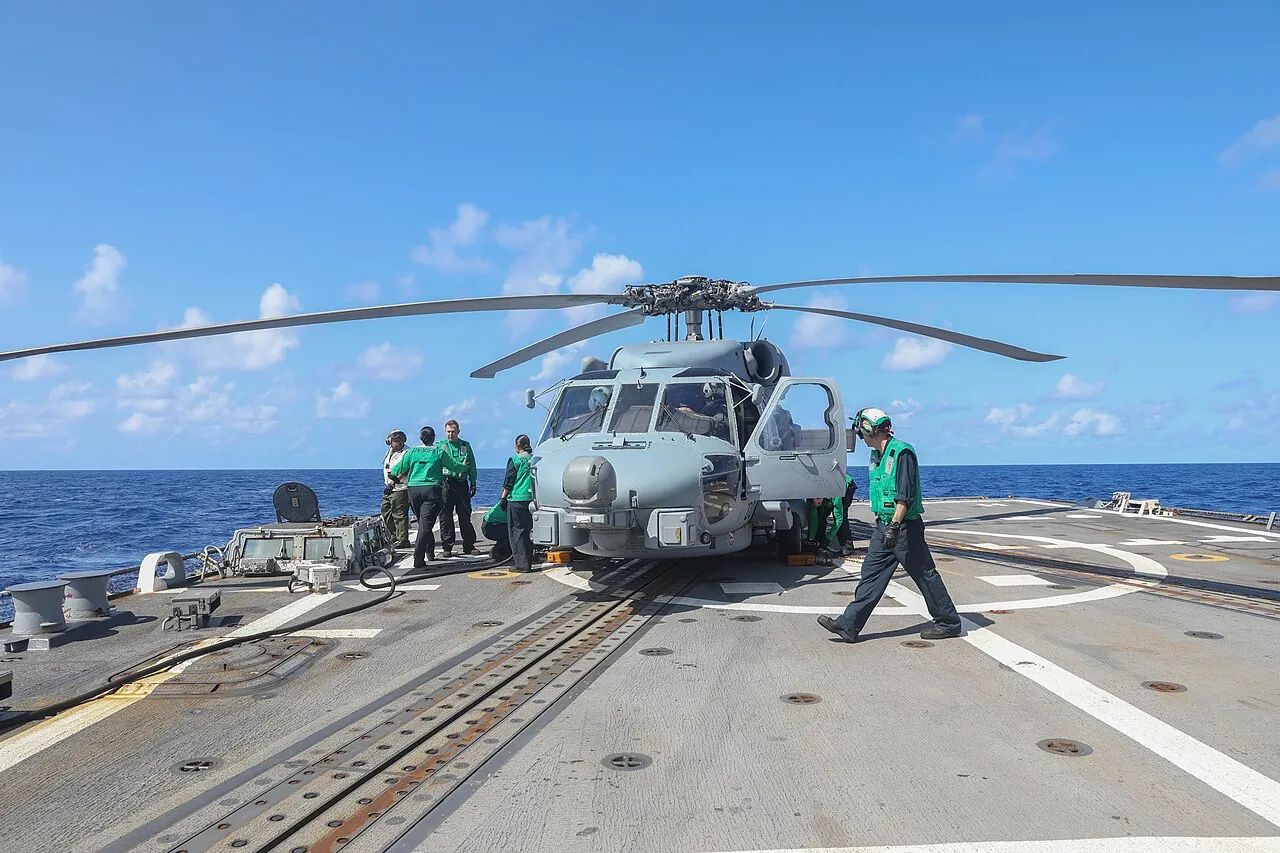
The KDDX decision came after a two-year legal dispute between the two giants. The dispute erupted after HD Hyundai employees were convicted between 2022 and 2023 over taking Hanwha’s initial KDDX conceptual designs. Hanwha won the tender by a very narrow margin of 0.59 points.
DAPA aims to conclude the contract with Hanwha Ocean by the end of next month. The first KDDX ship is planned for delivery to the Korean navy by the end of 2032. Procurement of the remaining five ships is expected to begin from late 2028, with deliveries running through 2036. This timeline shows the program is a long-horizon naval investment.
| Item | Detail |
|---|---|
| Program | KDDX (Korea Destroyer Next Generation) |
| Winner | Hanwha Ocean |
| Value | 7.8 trillion won (~$5.1 billion) |
| Ships | 6 next-generation destroyers |
| Tonnage | ~6,000 tonnes (Aegis) |
| Technology | Indigenous (radar, combat system) |
| First delivery | 2032 |
| Program end | ~2036 (6 ships) |
Destroyers and Naval Power
Destroyers are the most powerful surface combatants of modern navies. Fitted with Aegis-like systems that combine air defense, anti-ship operations and land attack on one platform, these ships form a fleet’s protective umbrella. Destroyers of 6,000 tonnes and above provide regional deterrence with long-range missiles and powerful radars.
With KDDX, South Korea aims both to strengthen its navy and to grow its ambition in warship exports. A destroyer developed with indigenous technology can be offered on the export market without license restrictions, making Korea stronger in major naval tenders in Europe and the Asia-Pacific.
For Türkiye: The TF-2000 and the Indigenous Destroyer Path
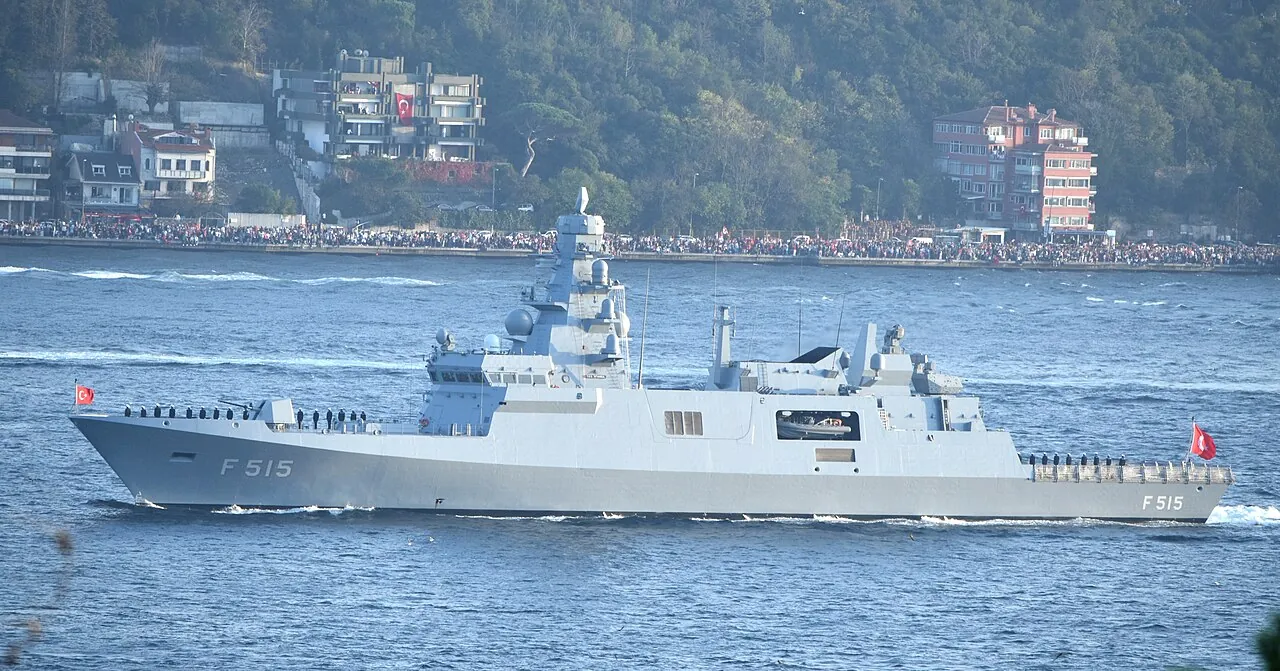
South Korea’s indigenous destroyer program closely mirrors the path Türkiye follows. Türkiye took the domestic shipbuilding know-how that began with the MİLGEM project to a higher level with the Istanbul-class frigates. The next step is the TF-2000: the navy’s first indigenous air-defense destroyer. This roughly 7,000-tonne ship aims to form a fleet’s air-defense umbrella with ASELSAN’s ÇAFRAD radar family.
The parallel between the two programs is striking. Both South Korea and Türkiye aim to build the most complex surface ships, such as destroyers, with indigenous technology, reducing external dependence and gaining export capability. Korea basing KDDX on an indigenous radar and combat system carries the same logic as Türkiye basing the TF-2000 on ÇAFRAD and domestic systems.
Türkiye also competes with South Korea in the same warship-export markets. MİLGEM/ADA-class corvettes have been exported to Pakistan, Ukraine and Malaysia; STM and ASFAT are competing for new markets. The KDDX case shows how strategic indigenous destroyer capability is, for both national security and exports.
Frequently Asked Questions
What is KDDX?
Who won the tender?
Why had the program been delayed?
Does Türkiye have an equivalent?
Conclusion
Hanwha Ocean winning KDDX shows South Korea’s resolve to build the most complex warships with indigenous technology. Türkiye follows the same path with the TF-2000 air-defense destroyer: taking the domestic construction know-how that began with MİLGEM to a destroyer level with ÇAFRAD radar and national systems. For both countries, the indigenous destroyer sits at the center of both national security and export ambition.