Germany, Norway and Canada Launch Joint Planning With TKMS for the 212CD Submarine

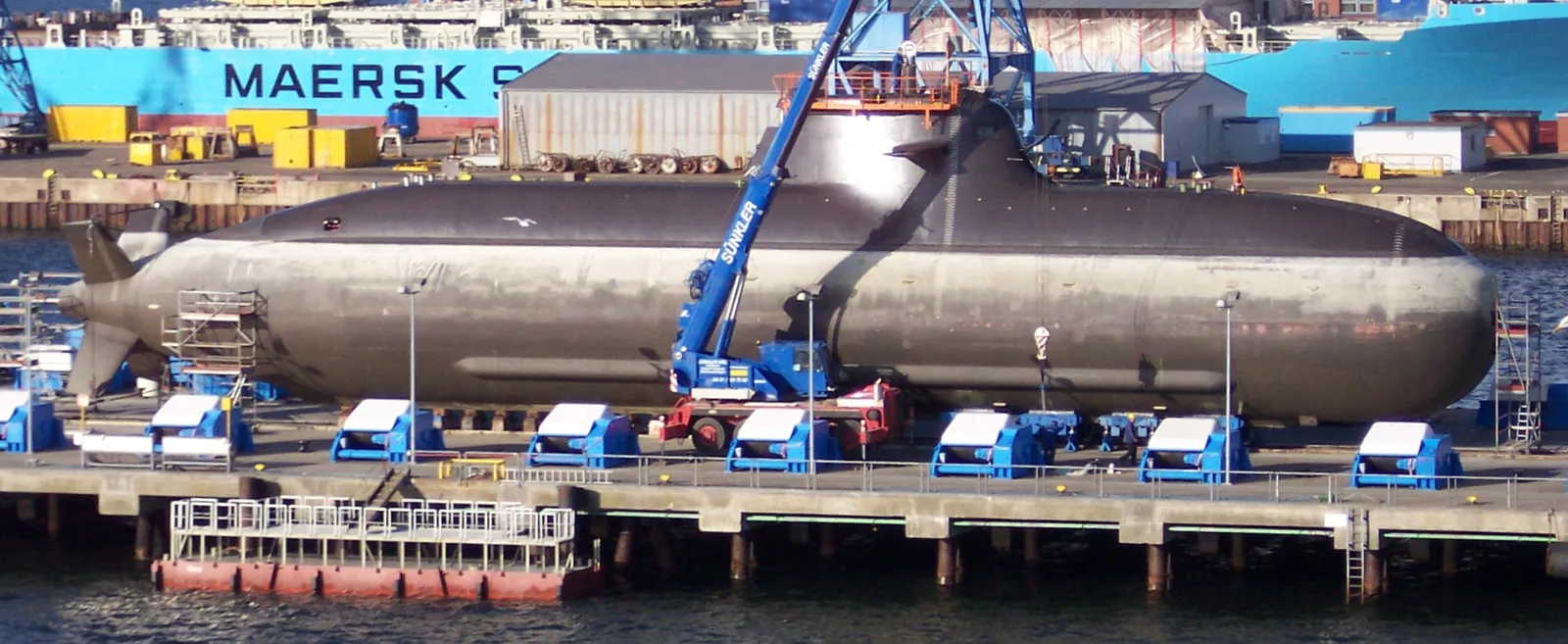
Germany, Norway and Canada — together with German shipbuilder TKMS, Norwegian defence firm Kongsberg and engineering house Multiconsult — held a four-day planning event in Kiel to formally launch the trilateral cooperation phase of the 212CD submarine programme. The meeting followed Canada’s selection, in July 2026, of TKMS as preferred supplier for the Canadian Patrol Submarine Project.
At a Glance
- Representatives of Germany, Norway and Canada met TKMS, Kongsberg and Multiconsult for a four-day joint planning event in Kiel in late July.
- Canada selected TKMS in July 2026 as preferred supplier for the Canadian Patrol Submarine Project, a decision that could lead to delivery of up to 12 Type 212CD submarines.
- The programme is evolving from a bilateral Germany-Norway effort into a trilateral, NATO-wide multinational cooperation.
- Talks focused on the next programme phases, new multilateral working structures, and preparations for contract negotiations.
- The aim is to build lifecycle synergies across the submarine programme and strengthen maritime security in the North Atlantic and Arctic.
Background
The 212CD (Common Design) submarine programme began as a bilateral development effort between Germany and Norway, with both navies aiming to build submarines around a shared design. Canada’s July 2026 selection of TKMS as preferred supplier for the Canadian Patrol Submarine Project transformed the programme into a unique multinational cooperation involving three NATO allies. Canada’s participation could see it take delivery of up to 12 Type 212CD submarines.
At the four-day event in Kiel in late July, representatives from all three countries met with TKMS, Kongsberg and Multiconsult. Discussions covered the next phases of the programme, new multilateral working structures, and preparations for contract negotiations. In the coming weeks, the partners are expected to begin negotiations to formalize agreements that will deepen the cooperation.
The programme’s ultimate goal is to build synergies across the entire submarine lifecycle — from design through maintenance and modernization — while durably strengthening NATO’s undersea warfare capacity in the North Atlantic and the Arctic. Analysts read this as part of NATO’s collective response to Russia’s growing submarine activity in the North Sea and Arctic.
Regional Impact
Turkey has long been a TKMS customer: the Turkish Navy builds Reis-class submarines — a localized version of the Type 214 design — under TKMS licence at Gölcük Shipyard. The multinational cooperation model Germany, Norway and Canada are establishing for 212CD — shared design, pooled lifecycle support, and technology transfer among allies — offers a template Turkey’s own submarine programme can draw on. Strengthening NATO’s undersea warfare capacity is also a development that directly affects deterrence across an alliance Turkey remains part of.
FAQ
What is the 212CD submarine programme?
A programme launched between Germany and Norway to develop submarines around a shared design, now expanded into a trilateral NATO cooperation with Canada’s participation.
How did Canada join the programme?
Canada selected TKMS in July 2026 as preferred supplier for the Canadian Patrol Submarine Project, a decision that could lead to delivery of up to 12 Type 212CD submarines.
What happens next?
The partners are expected to begin negotiations in the coming weeks to formalize cooperation agreements as preparations continue toward final contract talks.