Canada Signs First GCAP Industrial MoU With BAE Systems and Bombardier

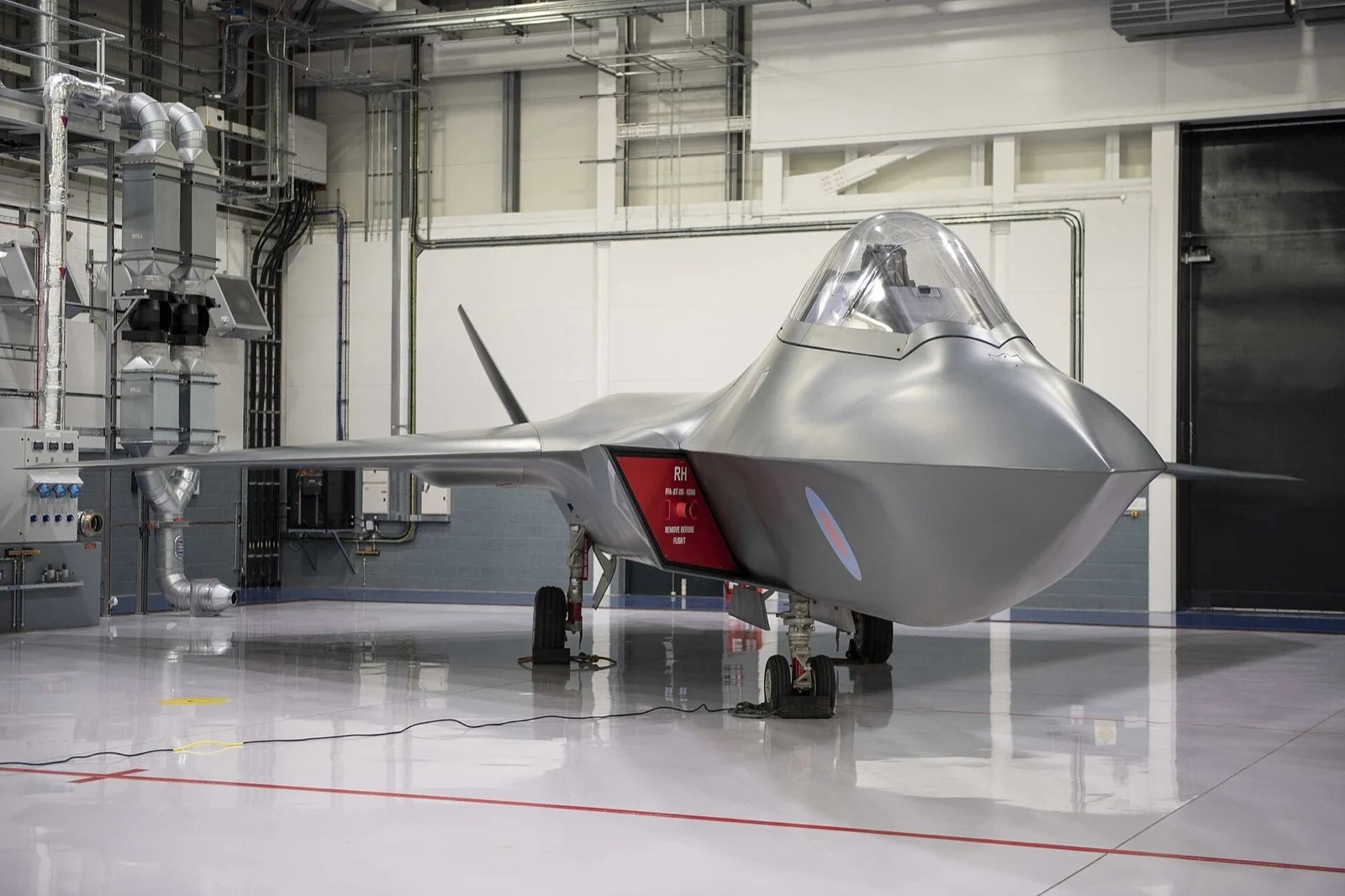
Canada has taken its first industrial-level step inside GCAP, the UK-Italy-Japan sixth-generation fighter programme also known in Britain as Tempest. UK defence giant BAE Systems and Canadian aerospace manufacturer Bombardier have signed a memorandum of understanding (MoU) to explore cooperation opportunities tied to the programme, according to Spanish defence outlet Infodefensa, which cited reporting from Janes.
The MoU covers aircraft and mission-systems design, systems integration, digital engineering, advanced manufacturing techniques, support and sustainment work, and long-term product security. It is the first concrete industry-to-industry arrangement since Canada joined GCAP as an observer nation in July 2026 — the programme’s first formal expansion beyond its three founding members.
GCAP’s industrial leadership is split between BAE Systems in the UK, Leonardo in Italy, and Jaiec — a joint venture between Mitsubishi Heavy Industries and Japan’s Aircraft Industries Corporation (SJAC) — in Japan. The trinational joint venture Edgewing, formed by the three partners, won a £4.6 billion contract in July 2026 covering roughly 18 months of detailed design work on the future fighter.
Canada’s standing in the programme remains short of full partnership. Observer status, according to Canada’s Department of National Defence, gives Ottawa access to information on GCAP’s governance structure, capability targets, industrial architecture and security requirements, and lets it explore future cooperation with the three founding nations — without requiring a financial contribution, an aircraft order or a vote in programme decisions. The BAE-Bombardier MoU fits within that exploratory phase rather than committing Canada to eventual membership.
The move is consistent with a broader push by Canadian Prime Minister Mark Carney to diversify the country’s defence-industrial partnerships and reduce reliance on a single supplier base, chiefly the United States, amid friction with Washington over trade and defence-spending disputes. Canada continues to take delivery of its ordered F-35A fleet to replace its aging CF-18 Hornets, while separately evaluating Sweden’s Saab Gripen — including potential domestic production and mixed-fleet options — as part of the same diversification effort. Saab has already struck cooperation arrangements with Canadian firms as part of its pitch.
Analysts note that Canada’s GCAP engagement is unlikely to alter its near-term fighter procurement, since GCAP is not expected to enter service before the mid-2030s. Instead, the value lies in keeping long-term industrial and technological options open. Bombardier’s experience in digital engineering and advanced composite manufacturing for business jets and specialised aircraft is seen as a potential entry point into GCAP’s airframe and mission-systems supply chain, and Ottawa has framed such partnerships as a way to generate high-technology defence jobs at home.
GCAP is being designed not merely as an aircraft but as a networked “system of systems,” combining advanced sensors, AI-assisted decision tools, multi-domain connectivity and Collaborative Combat Aircraft (CCA) drones flying alongside the crewed jet. It stands as the most advanced multinational sixth-generation fighter effort outside the United States, competing for attention — and potential future partners — against the US-led F-47 (NGAD) programme and the France-Germany-Spain SCAF/FCAS effort, both pursuing similar timelines. Canada’s move toward GCAP arrives as the sixth-generation fighter market increasingly sorts into these three competing blocs, raising fresh questions for other mid-sized NATO air forces weighing which camp to align with.
Neither BAE Systems nor Bombardier has issued a public statement detailing the MoU’s financial scope, and no monetary figure has been disclosed.
Sources
- Infodefensa, “Canadá firma su primer acuerdo industrial en el programa de caza de sexta generación GCAP,” October 30, 2026 — read the report (primary source, citing Janes).