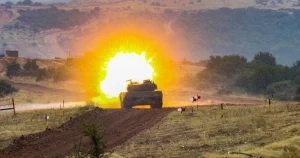
Australia Live-Fires MRGBAD Ground-Based Air Defense Prototype at Woomera

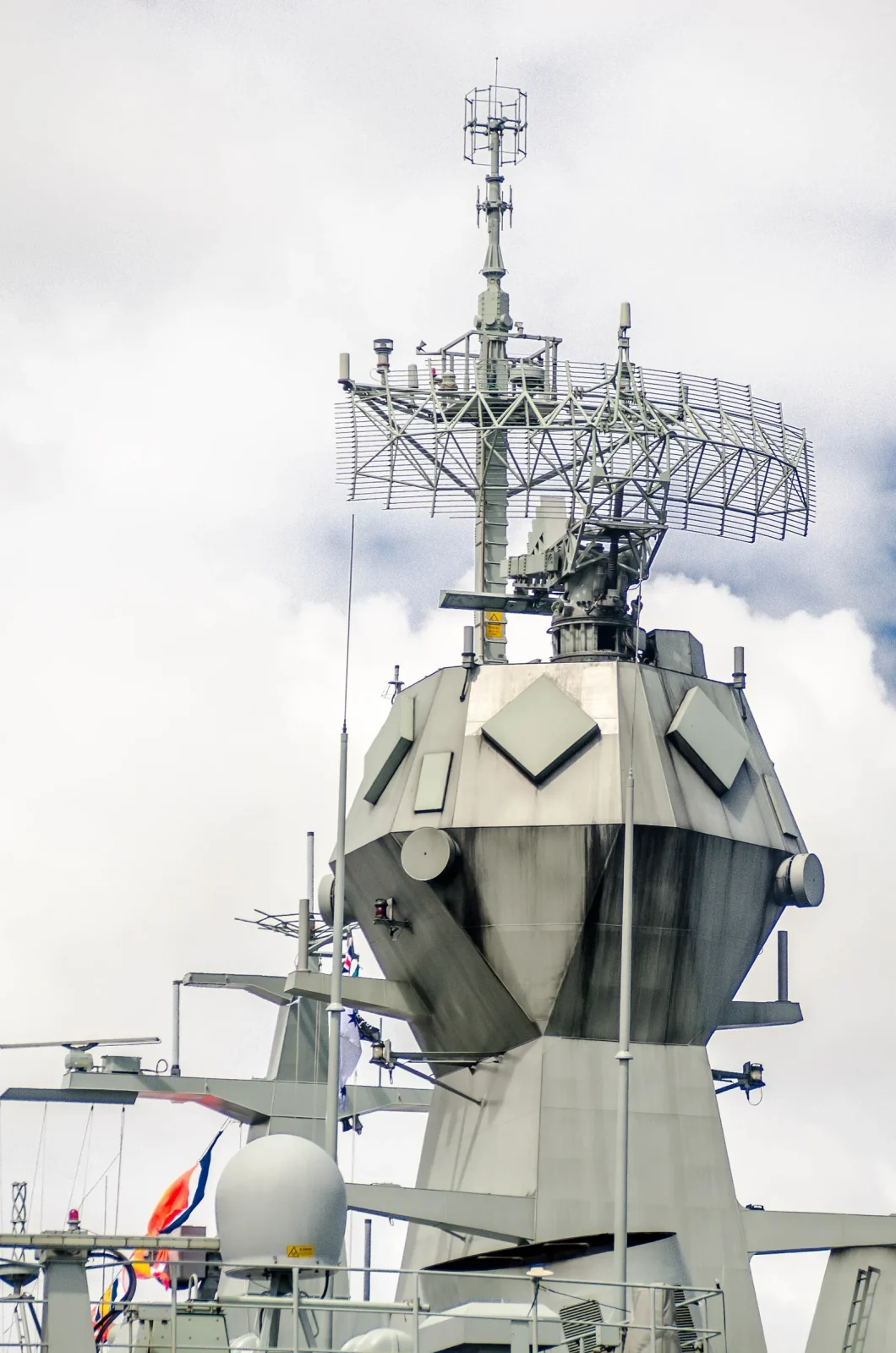
Australia conducted a live-fire test of its Medium-Range Ground-Based Air Defense (MRGBAD) prototype at the Woomera Test Range on 30 July 2026, validating how radar, command and engagement systems integrate during an operational engagement.
- Live-fire test held at the Woomera Test Range on 30 July 2026.
- Conducted during Exercise Taipan Strike 26.
- Lockheed Martin is prime integrator; CEA Technologies supplied the radar.
- Target data was passed to a virtualized Aegis Weapon System.
- No interceptor model, range or official quote was disclosed.
A live-fire integration demonstration
Australia carried out a live-fire test of its Medium-Range Ground-Based Air Defense (MRGBAD) prototype at the Woomera Test Range in South Australia on 30 July 2026. The event took place during Exercise Taipan Strike 26 and was designed to measure how the constituent systems perform together in an operational engagement.
According to prime integrator Lockheed Martin, the demonstration spanned the full chain from radar detection through target tracking to the transmission of data for engagement. A representative air threat was used, and the company described the event as a successful MRGBAD Capability Demonstration.
Radar, command and a virtualized Aegis
The radar that detected and tracked the threat was supplied by Australian firm CEA Technologies. Target data was then passed to an expeditionary, virtualized version of the Aegis Weapon System, an architecture intended to be deployable in the field rather than tied to a fixed installation.
The US Navy collaborated on the demonstration. Lockheed Martin said the test validated how the core systems integrate during an engagement. No specific interceptor model, range figure or official quote was disclosed in the source, so the exact effectors should be treated as not yet released.
Why it matters and the Turkey context
The demonstration underscores how middle powers are moving toward networked air defense that ties radar, command and engagement layers together rather than relying on a single platform. The ability to fuse components from different suppliers into one engagement chain is emerging as a defining feature of such programs.
Turkiye is fielding its own layered ground-based air defense under the Celik Kubbe (Steel Dome) architecture, with systems such as the Hisar family and the long-range Siper. The Australian program shows how this radar-plus-command approach is taking shape across several middle powers in comparable ways. The comparison is useful less as a ranking than as a reading of a shared trend toward integrated, software-defined GBAD.
Frequently Asked Questions
Which missile did Australia use in the MRGBAD test?
No specific interceptor model or range was disclosed in the source material. The test focused on validating the integration of radar, command and engagement systems rather than on missile performance.
Who took part in the demonstration?
Lockheed Martin was the prime integrator, CEA Technologies supplied the radar, and target data was passed to a virtualized Aegis Weapon System. The US Navy collaborated on the event.
Sources
- The Defense Post – «Australia Test-Fires Future Ground-Based Air Defense Prototype» – 30 July 2026. Used for the date, location and overall scope of the test. Link: https://thedefensepost.com/2026/07/30/australia-test-air-defense/
- Lockheed Martin – MRGBAD Capability Demonstration announcement – 2026. Used for integration details: CEA radar detection and tracking and the virtualized Aegis Weapon System.
- Australian Department of Defence – Exercise Taipan Strike 26 context – 2026. Used for the exercise framing.