ASELSAN Commissions Two New Solar Plants; PULSAR Inverters Go Into the Field for the First Time

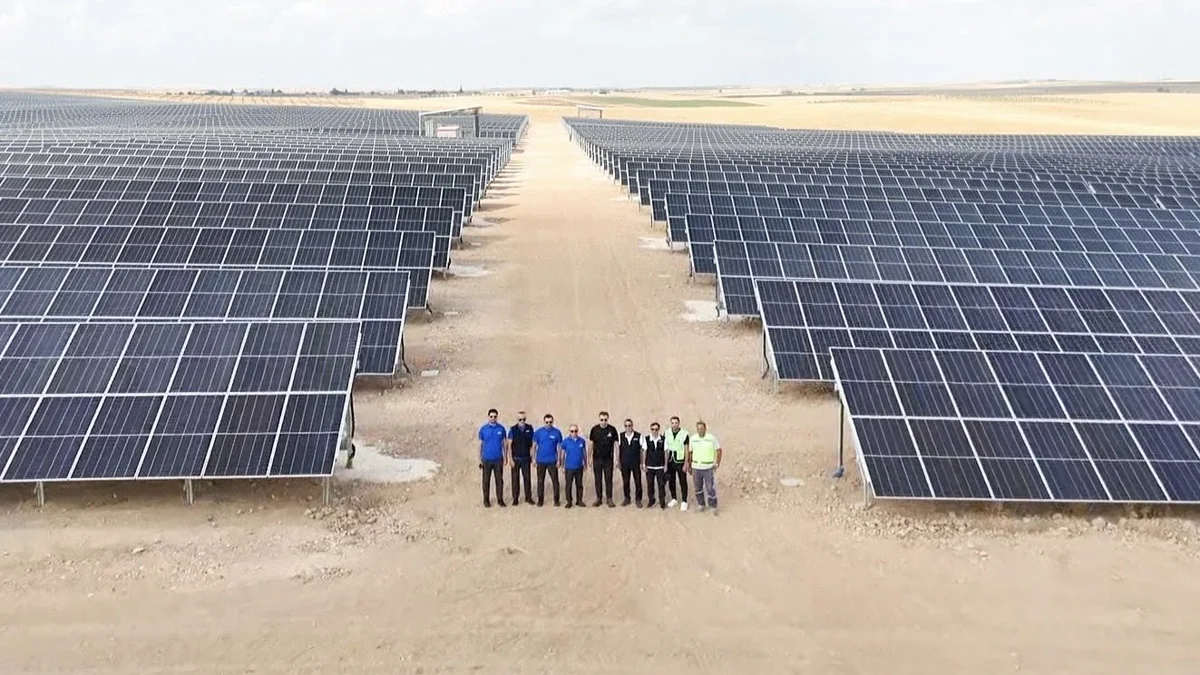
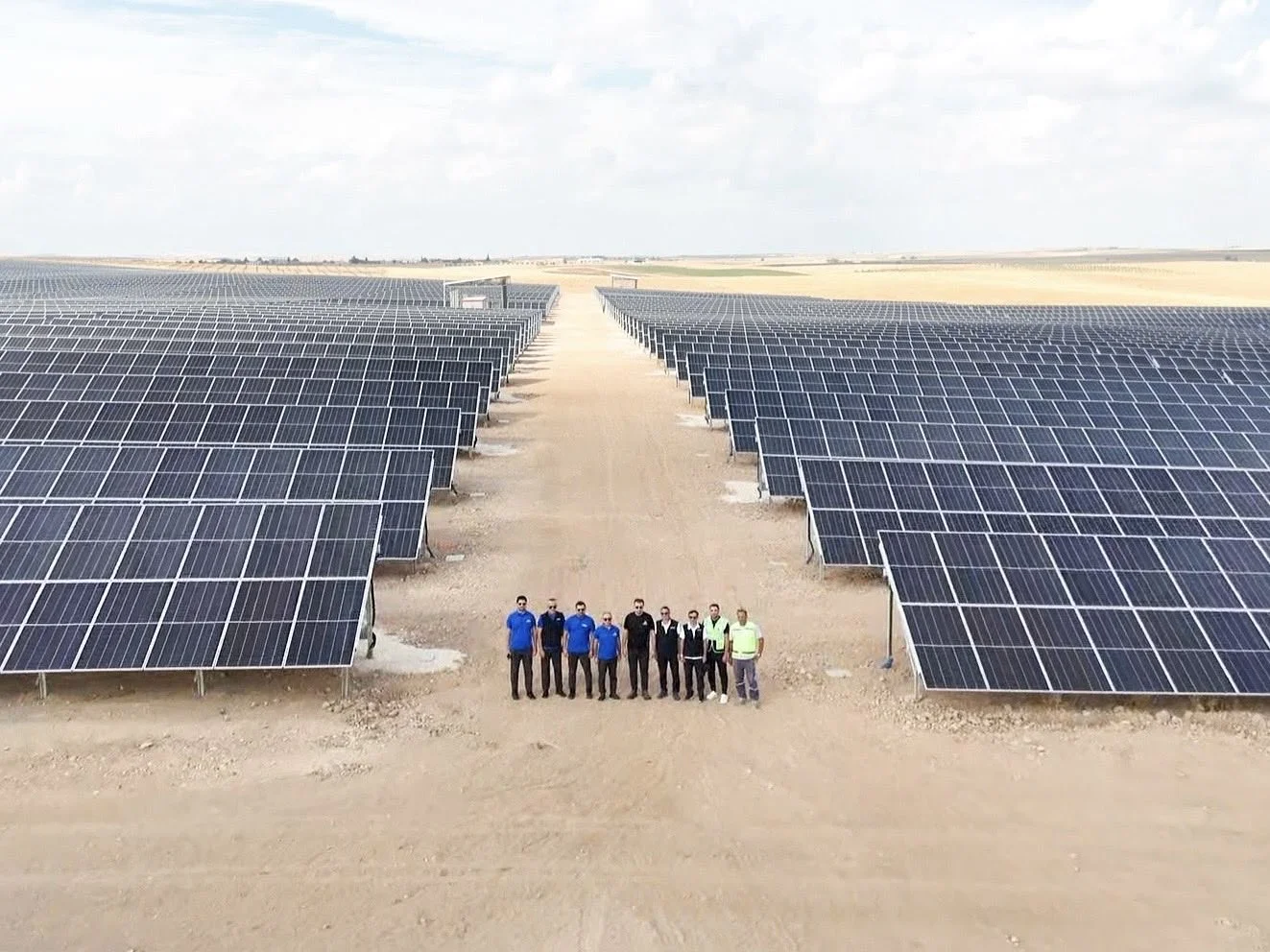
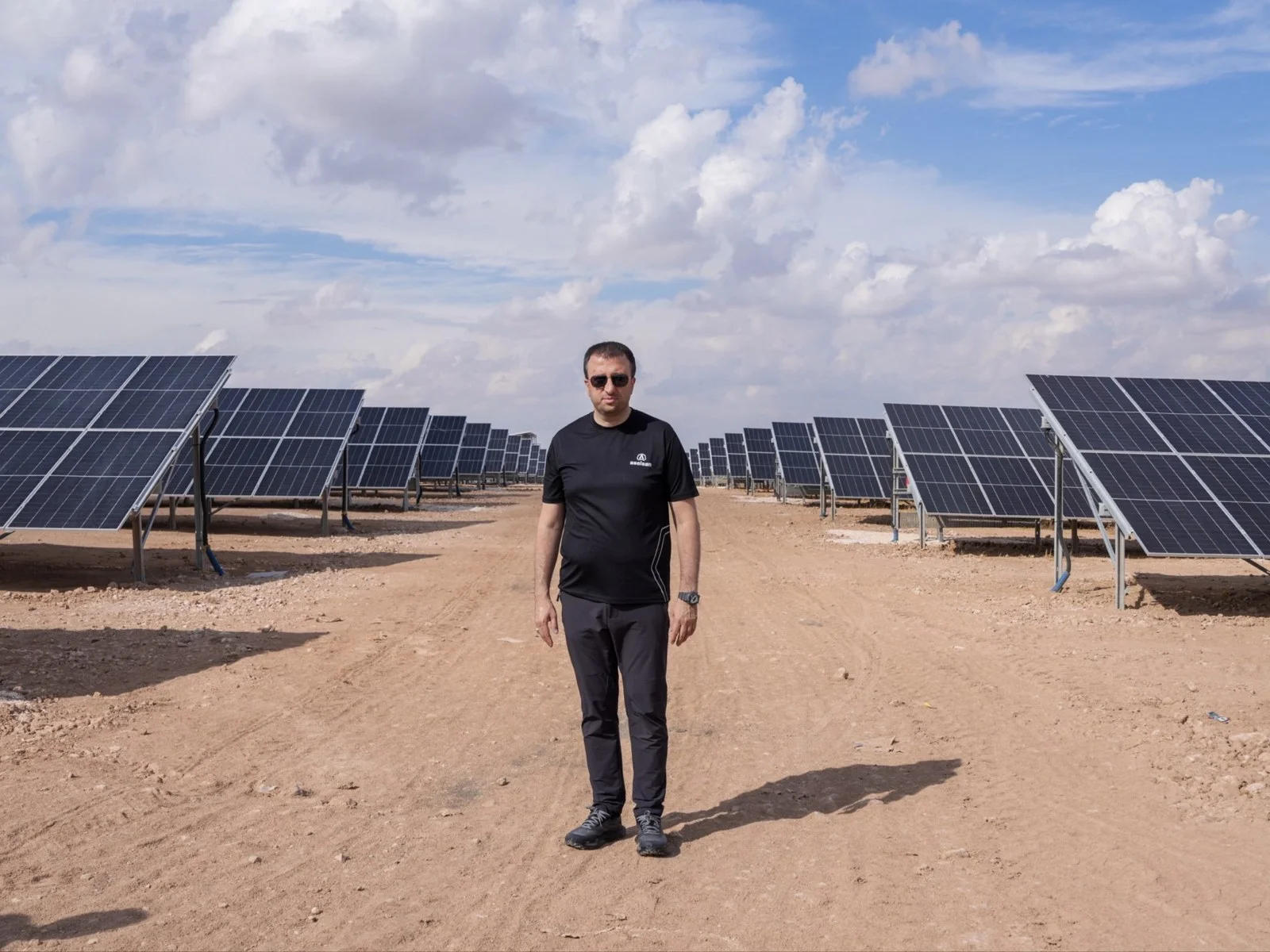
ASELSAN has commissioned two new solar power plants. According to a post by ASELSAN General Manager Ahmet Akyol on X on 8 November 2026, the company has also taken its in-house PULSAR inverters into the field for the first time at the new sites.
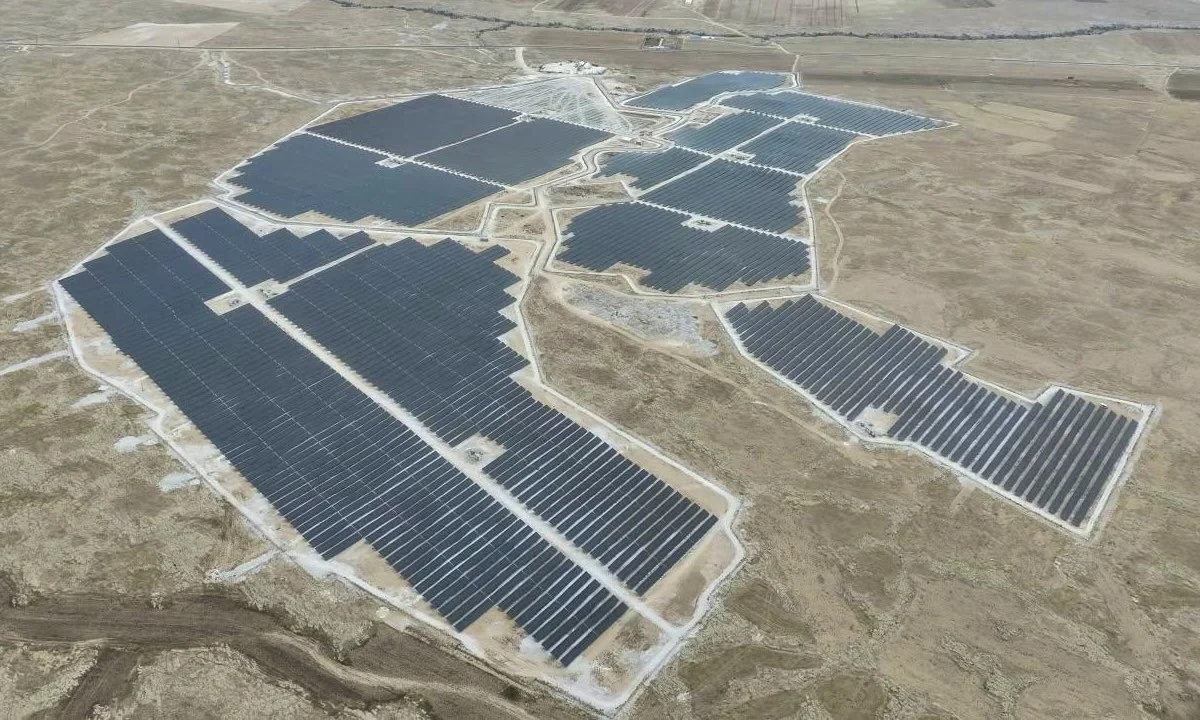
Key points from Akyol’s statement
- ASELSAN now meets all of its electricity needs from solar power.
- With the two new plants, the company expects an emissions reduction in one year equivalent to that achieved by four million trees.
- The new plants are the first field deployment of PULSAR inverters developed by ASELSAN engineers.
- Akyol said the company is proud to contribute to the country’s green transition with these technologies.
What are PULSAR inverters?
An inverter converts the direct current produced by solar panels into alternating current that can be fed into the grid. ASELSAN has promoted the domestic PULSAR inverter family among its energy products. In February 2023, Anadolu Agency reported that the company was building a 75-megawatt solar plant to cover the annual electricity needs of its Ankara campuses, using 250-kilowatt PULSAR string inverters.
Akyol’s post does not state where the new plants are, their installed capacity or which PULSAR model was used. Whether they relate to the project announced in 2023 was not specified either.
What was not disclosed
The post gives no capacity, investment figure or annual output for the plants. Those details will become clear only with an official ASELSAN announcement.
Sources: Ahmet Akyol, General Manager of ASELSAN, post on X (8 November 2026); Anadolu Agency, February 2023 (PULSAR inverter and 75 MW solar plant project).