Bulgaria’s Second F-16 Block 70 Batch May Slip to 2030, Lockheed Martin Tells Sofia
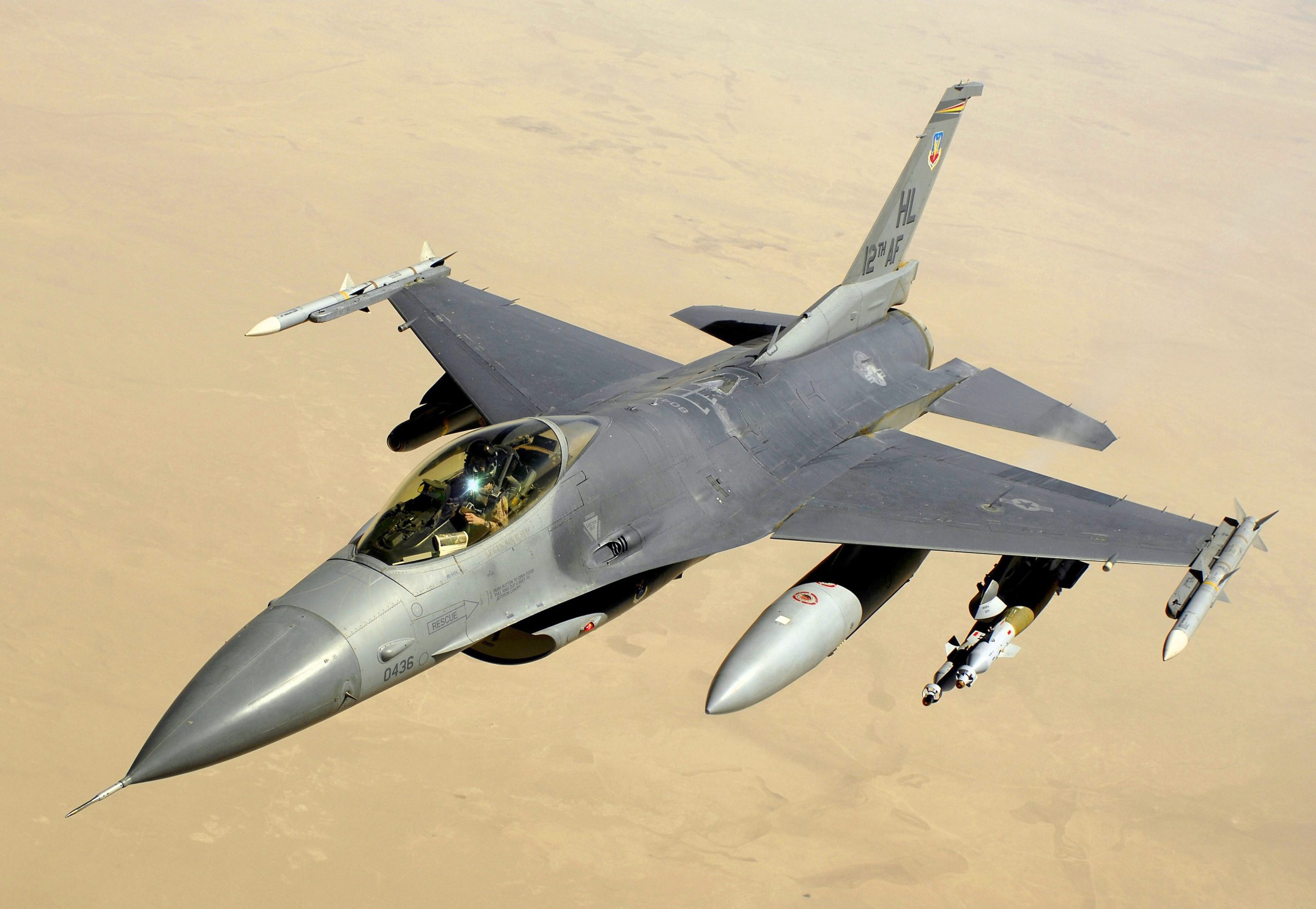
Lockheed Martin has informed Sofia that the second batch of eight F-16 Block 70 fighters bound for Bulgaria may not arrive until the second quarter of 2030, rather than the end of 2027 as previously scheduled. The company stressed the revised date “was not final” and said it would pursue acceleration options.
Bulgarian Defence Minister Dimitar Stoyanov said Sofia expects the delay to avoid “additional financial burden on the state” and demanded “concrete actions to reduce the delays.”
Two batches, one squadron
Bulgaria’s F-16 programme began in 2019, when Sofia contracted for eight F-16C/D Block 70 aircraft. Those jets were delivered between April and December 2025. A second batch of eight followed in August 2021, taking the target fleet to sixteen.
The stated cause is “difficulties in the production process,” with no technical detail released. Ramp-up problems at the Greenville, South Carolina line — where Block 70/72 production moved from Fort Worth — have already pushed schedules for several customers, from Slovakia to Bahrain.
Three problems on Sofia’s desk
Bulgaria is running three tracks in parallel. The first is bringing the eight delivered aircraft to combat duty in 2027. The second is securing spare parts and technical support at sufficient volume — in an air force converting to a new type, what usually grounds the fleet is the supply chain, not the aircraft count. The third is expanding pilot training throughput.
To bridge the gap, Sofia is keeping two options open: acquiring used F-16s, and closer maintenance cooperation with Poland, which operates 48 F-16C/D Block 52+ jets and one of the region’s most mature F-16 sustainment bases.
What Block 70 actually changes
The F-16 Block 70/72 looks like a conventional Viper from the outside, but very little of the mission system is. At its centre sits the Northrop Grumman AN/APG-83 SABR active electronically scanned array radar, which delivers far longer detection ranges than the mechanically scanned APG-68, tracks more targets simultaneously and provides high-resolution synthetic aperture radar mapping.
The aircraft also brings Auto-GCAS automatic ground collision avoidance, a new modular mission computer, a large-format colour cockpit display and a 12,000-flight-hour structural service life. That last figure is the most practical difference from earlier blocks: the airframe is designed to serve into the 2060s.
The Black Sea equation
Bulgaria’s fleet transition is not purely a national procurement story. Alongside Romania and Türkiye, the country carries air policing responsibility on NATO’s Black Sea flank, and a longer exit from its Soviet-legacy MiG-29 fleet leaves a gap in the alliance’s response posture along that line.
Romania chose a different bridge over the same period, buying second-hand F-16s before moving to the F-35. Türkiye has taken a third route, delivering Block 70-class capability largely through its own industrial base under TUSAŞ’s Özgür programme, built around indigenous AESA radar, avionics and mission software. The Bulgarian case illustrates the planning risk of depending on an external delivery schedule: an aircraft ordered in 2021 arriving in 2030 is a nine-year procurement cycle.
The near-term question for Sofia is how to hold the air defence watch through the 2027–2030 window. The longer-term one is more fundamental: can a sixteen-aircraft fleet carry a full training, sustainment and operational chain on its own?
Sources
- Bulgarian Ministry of Defence statements — Minister Dimitar Stoyanov
- Lockheed Martin — F-16 Block 70/72 programme briefing material
- Defence Industry Europe — “Lockheed Martin says Bulgaria’s second F-16 Block 70 delivery may slip to 2030”