Kongsberg to Build New Counter-Drone Plant in Poland Worth $51 Million


The Norwegian firm will open a production facility in northern Poland under the SAN anti-drone program with PGZ, aiming for serial production by early 2028.
Norway’s Kongsberg has announced plans to build a new factory in northern Poland dedicated to counter-drone systems. The investment is valued at more than 200 million zloty, or roughly $51 million.
The plant forms part of the SAN anti-drone program that Kongsberg runs jointly with Poland’s state-owned defense group PGZ. The program covers a contract worth about 15 billion zloty ($3.8 billion), encompassing 18 anti-drone batteries, 52 firing platoons, 18 command platoons and 703 vehicles.
Kongsberg’s share of the contract is estimated at around 16 billion Norwegian kroner ($1.66 billion). The backbone of the system is the company’s Protector remote weapon station, with batteries built around a layered mix of guns, missiles and interceptor drones.
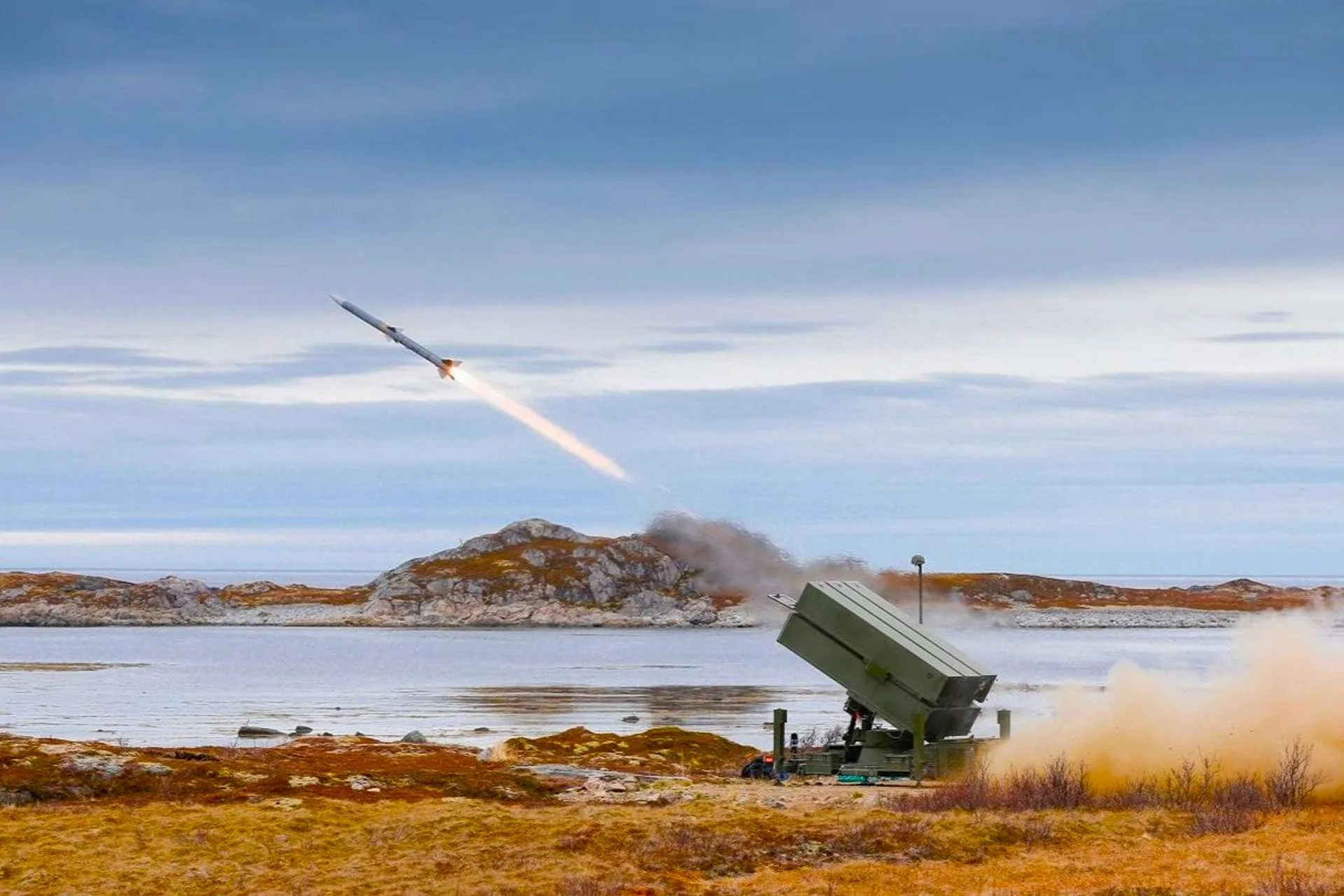
Protector is Kongsberg’s family of remote weapon stations, integrated onto various vehicle platforms in dozens of countries worldwide. In the SAN program, these stations are linked to a command network fed by radar and electro-optical sensors, aimed at detecting and neutralizing small, low-flying drones.
Kongsberg CEO Eirik Lie said the company wants local production sites in Poland and expects the investment to open the door to future export contracts. The plant is described as part of an effort to position Poland as a regional export hub for counter-drone technology.
Kongsberg plans to sign a construction contract by the end of 2026, with serial production targeted for the first half of 2028. Once at full capacity, the facility is expected to employ more than 100 people.
Integration of the command-and-control architecture falls to PGZ’s Gdynia-based subsidiary, Advanced Protection Systems (APS). PGZ has said it wants roughly 60% of the SAN system’s components to come from companies within its own group.
The SAN program traces back to a deal signed on January 30, 2026, between Poland’s Ministry of National Defence and the Kongsberg-PGZ consortium. Polish officials describe the overall architecture as an integrated “anti-drone wall” of about 700 vehicles, sensors and effectors, with full delivery expected 24 months after signing.
The new plant lines up with Poland’s broader push to expand air-defense capacity quickly, following repeated drone incursions along its borders. Other NATO members on the alliance’s eastern flank have faced similar airspace violations and have likewise stepped up counter-drone investment.
The SAN program also dovetails with Poland’s wider ‘Eastern Shield’ border-security initiative. As Russia’s war in Ukraine continues, repeated airspace violations across the Baltic states and Eastern Europe have pushed NATO members to seek defenses able to intercept large numbers of low-cost drones at a correspondingly low per-unit price.

Polish defense officials say the SAN batteries are meant to protect not only military sites but also critical infrastructure and population centers, turning the system into a broader homeland-security tool rather than a conventional air-defense battery alone.
Beyond converting one contract into local manufacturing, the factory signals an attempt to turn Poland into a regional supplier of counter-drone technology. Kongsberg’s export expectations suggest the site could eventually serve markets beyond Poland itself.
Turkey’s own localization efforts in counter-drone and short-range air-defense systems, including those built by ASELSAN, reflect a similar pattern across NATO, where allies face shared pressure to build domestic production capacity against the drone threat.
Sources
- Defense News, “Kongsberg to build new plant in Poland for counter-drone systems,” October 13, 2026 — primary source for the investment figure and CEO Eirik Lie’s remarks.
- Defense News, “Poland picks Kongsberg-PGZ consortium to build anti-drone wall,” February 2, 2026 — used to confirm the scope of the SAN contract and the January 30, 2026 agreement.
- The Defense Post, “Poland counter drone system,” February 2, 2026 — used to confirm the technical architecture and the roles of PGZ and APS.