What Is ASELSAN? What It Does and What It Produces
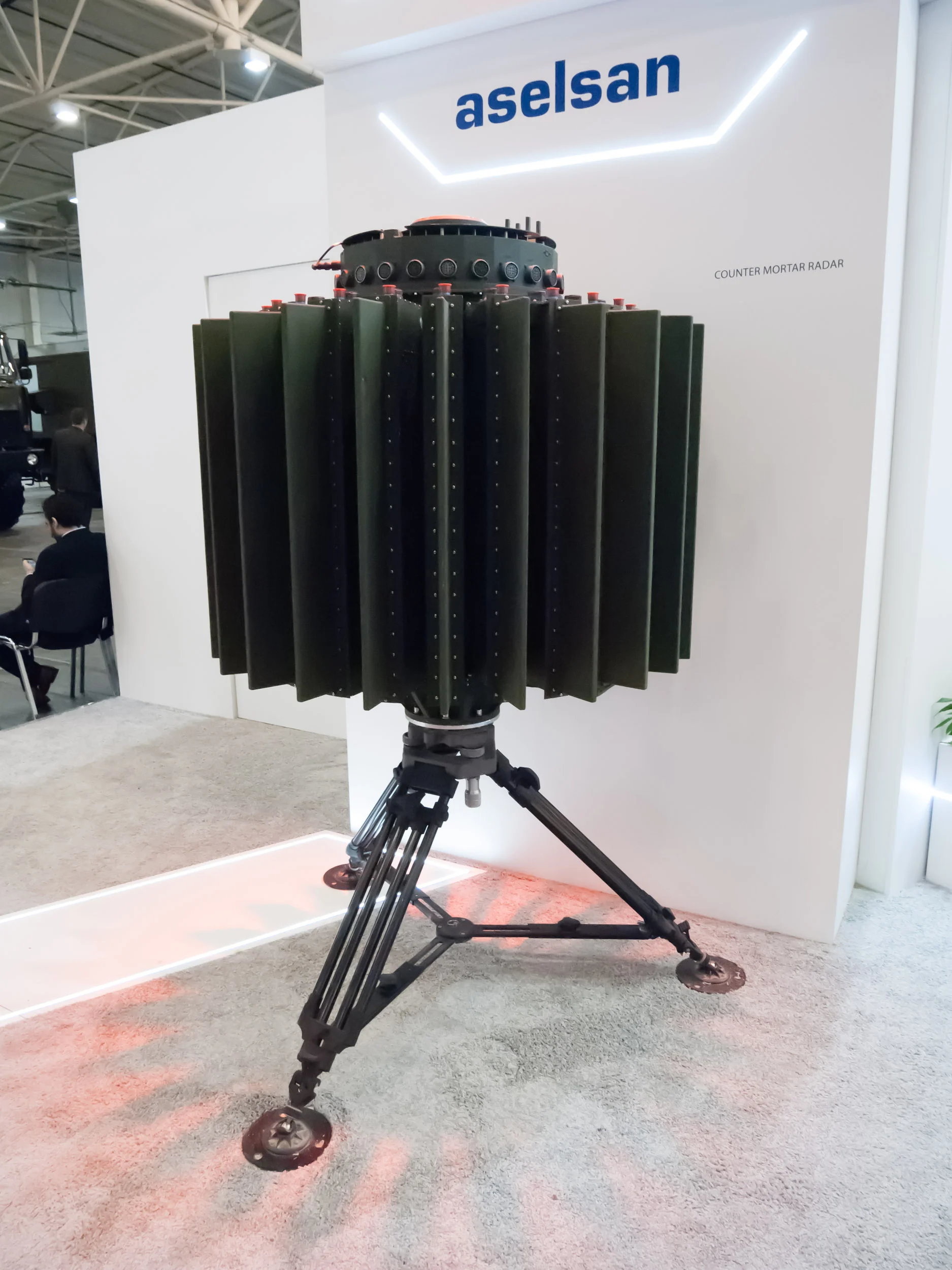
ASELSAN — formally ASELSAN Elektronik Sanayi ve Ticaret A.Ş. — is Turkey’s largest defence company. Founded in 1975 and focused on defence electronics, it develops, manufactures and integrates systems ranging from radar and electronic warfare to electro-optics, communications and air-defence electronics. Its controlling shareholder is the Turkish Armed Forces Foundation (TSKGV), and its shares are publicly traded on Borsa Istanbul under the code ASELS.
When and why was ASELSAN founded?
ASELSAN was established in Ankara in 1975, in response to the arms embargo imposed on Turkey after the 1974 Cyprus operation. Its purpose was to meet the communications and electronic-system needs of the Turkish Armed Forces domestically and to reduce dependence on foreign suppliers. The company initially focused on military radios and communication equipment before expanding into radar, electronic warfare, electro-optics and air-defence electronics.
What does ASELSAN do?
At its core, ASELSAN is a defence-electronics developer and systems integrator. Its work goes beyond building hardware to include system design, software development, sensor integration, command-and-control solutions and in-field support. Most of its products are developed within programmes coordinated by the Presidency of Defence Industries (SSB) for the Turkish Armed Forces and other public bodies, with a growing share directed at export markets.
- Radar and electronic warfare: early-warning, fire-control and surveillance radars; jamming and signals-intelligence systems.
- Electro-optics: thermal cameras, reconnaissance and surveillance systems, laser and imaging solutions.
- Communications: military radios, software-defined radios, data links and satellite communication systems.
- Air defence and weapon systems: air-defence radar and fire-control components, remote-controlled weapon stations.
- Naval and platform systems: shipborne radars, electronic-warfare suites and platform mission systems.
- Civil technologies: electronic solutions in transportation, security, health and energy.
What does ASELSAN produce?
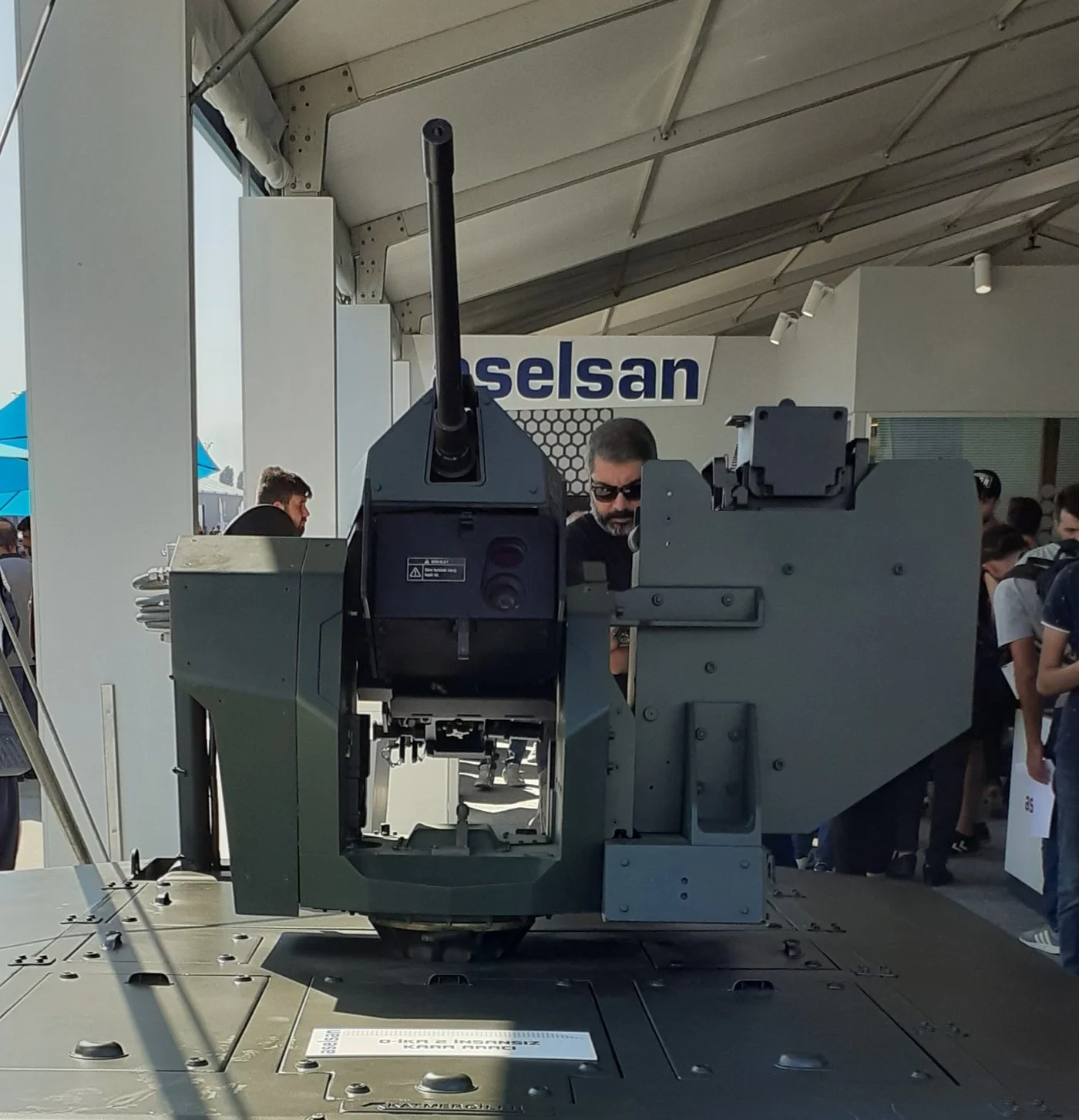
Because ASELSAN’s portfolio is very broad, the following are prominent examples rather than a complete catalogue: in radar, the ÇAFRAD, ALP and MURAD AESA families; in electronic warfare, KORAL and SANCAK; in electro-optics, ASELFLIR-500; in remote weapon stations, SARP; and the radar, fire-control and electronic components of air-defence systems such as HİSAR, SİPER and KORKUT. A large range of military radios, data links and naval electronics complete the picture.
In some of these products ASELSAN acts as the prime contractor, while in others it is the subsystem supplier within a larger system. In air-defence systems, for example, the missile and munition side is generally handled by ROKETSAN, while the radar, seeker and command-and-control electronics fall to ASELSAN.
Corporate snapshot
ASELSAN has ranked among the world’s 50 largest defence companies in Defense News’ annual list in recent years (roughly 48th on 2024 data). Its revenue and headcount have grown steadily. The table below summarises the company’s key corporate figures.
| Field | Value |
|---|---|
| Full name | ASELSAN Elektronik Sanayi ve Ticaret A.Ş. |
| Founded | 1975, Ankara |
| Main shareholder | Turkish Armed Forces Foundation (~74.2%) |
| Free float | ~25.8% (Borsa Istanbul, ASELS) |
| Headquarters | Ankara (also Konya, Sivas, Istanbul) |
| Employees | ~12,000 (2024) → ~14,000 (2025 disclosure) |
| Revenue | TL 157.3bn (2024) → TL 180.4bn (2025)* |
| Net profit | ~TL 20bn (2024) → TL 29.9bn (2025)* |
| Order backlog | US$14bn (2024) → US$20.4bn (2025) |
Frequently asked questions
What is ASELSAN?
ASELSAN (ASELSAN Elektronik Sanayi ve Ticaret A.Ş.) is Turkey’s largest defence company, founded in 1975 and specialised in defence electronics. It develops and produces radar, electronic warfare, electro-optics, communications and air-defence electronics.
What does ASELSAN do?
ASELSAN designs, develops, manufactures and integrates electronic systems for military and civilian use. Its core fields are radar and electronic warfare, electro-optics, communications, air-defence and weapon-system electronics, and command-and-control solutions.
What does ASELSAN produce?
ASELSAN produces radars (ÇAFRAD, ALP, MURAD AESA), electronic-warfare systems (KORAL, SANCAK), electro-optical systems (ASELFLIR-500), military radios, remote-controlled weapon stations (SARP) and the radar/fire-control electronics of air-defence systems.
Who owns ASELSAN — is it state-owned?
The main shareholder is the Turkish Armed Forces Foundation (TSKGV) with about 74.2% of the capital; the remaining ~25.8% is publicly traded on Borsa Istanbul (ticker ASELS). ASELSAN is therefore a publicly listed company whose controlling shareholder is a foundation, rather than a direct government agency.
Where is ASELSAN based?
ASELSAN was founded in Ankara in 1975 and is still headquartered there, with additional facilities in Konya, Sivas and Istanbul, and subsidiaries or joint ventures in countries such as Azerbaijan, Jordan, Ukraine and Kazakhstan.
How many employees does ASELSAN have?
ASELSAN reported roughly 12,000 employees at the end of 2024 and about 14,000 in its 2025 disclosures, an increase of around 18%. Figures vary by reporting period, so the year of the data should always be noted.
Sources
- ASELSAN — Shareholder Structure and Investor Relations pages (accessed July 2026): ownership and corporate data.
- ASELSAN 2025 Annual Report and year-end results disclosures (2026): revenue, net profit, backlog and headcount.
- Wikipedia — “Aselsan” (for source discovery and verification only): founding context and subsidiaries.
- Images: Wikimedia Commons, VoidWanderer (CC BY-SA 4.0) and Kingbjelica (CC BY 4.0).