Turkish Defence in Central Asia: The Geopolitical Pivot


Turkish Defence in Central Asia: The Geopolitical Pivot
Central Asia is the strategic backyard where Türkiye competes with Russia, China and — increasingly — itself. The defence-industrial relationship spans UAVs, armoured vehicles, training, joint exercises and the institutional framework of the Organization of Turkic States.
The Strategic Map
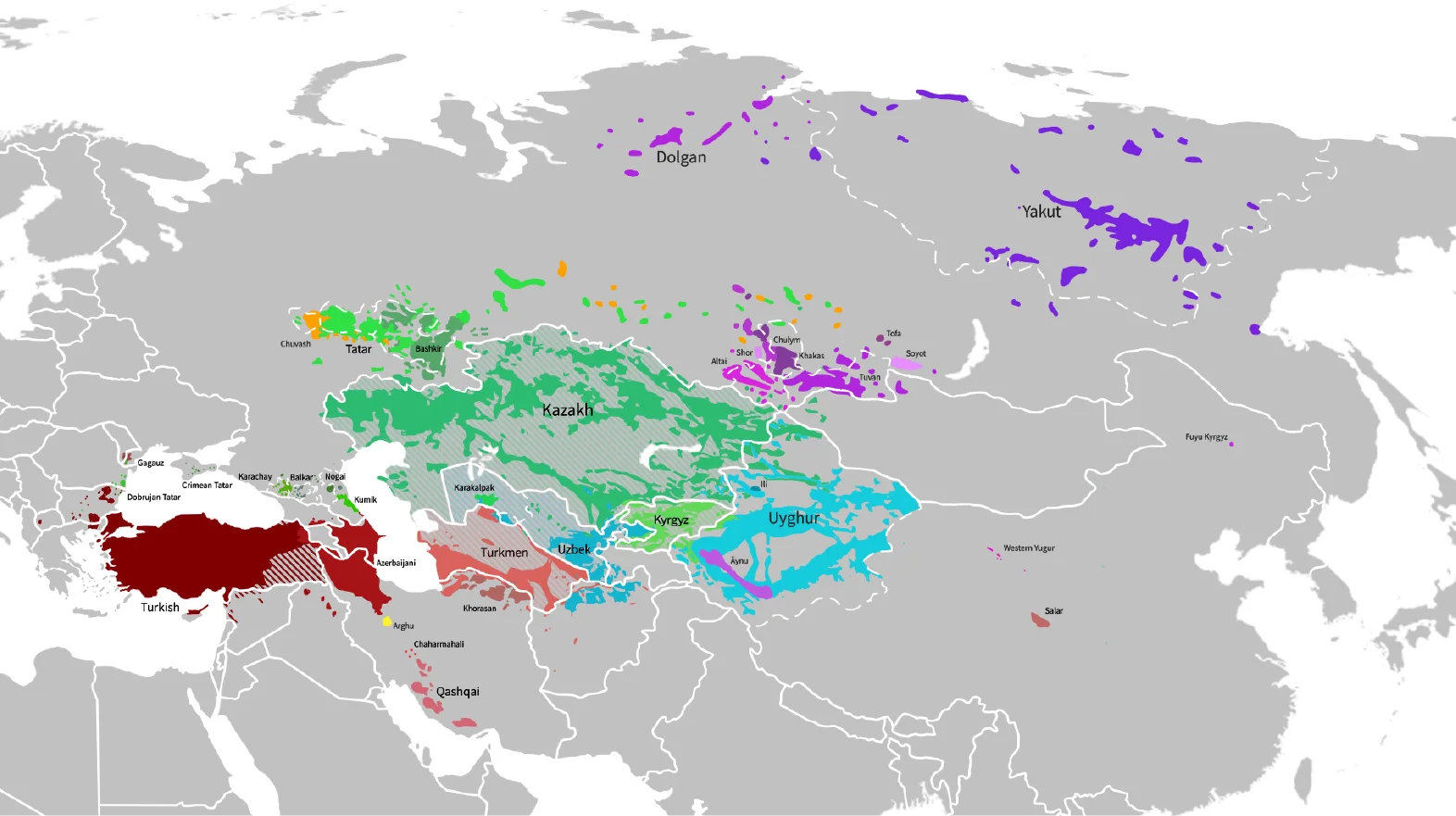
Five former Soviet republics define Central Asia’s defence market: Kazakhstan, Uzbekistan, Kyrgyzstan, Turkmenistan and Tajikistan. Plus Azerbaijan in the South Caucasus, which serves as Türkiye’s land bridge into the region. Turkic linguistic and cultural affinity gives Ankara market access Russia cannot fully neutralise and China cannot easily replicate.
By Country
Azerbaijan — The deepest defence-industrial relationship in the region. Joint training, joint exercises (TurAz Şahini), TB2 / AKINCI / ground-vehicle exports, and active discussions on Altay MBT and KAAN fighter. Post-2020 Nagorno-Karabakh, Azerbaijan’s defence procurement has tilted decisively toward Turkish industry.
Kazakhstan — TB2 UAVs delivered with co-production discussions ongoing. ANKA-S also considered. Kazakh defence industry (Kazakhstan Engineering, KazSAT systems) explores broader cooperation with Turkish counterparts.
Uzbekistan — Türkiye’s largest Central Asian market by population. TB2 deliveries confirmed; broader package discussions reported across UAVs, armoured vehicles, air defence and training.
Kyrgyzstan — TB2 UAVs delivered in 2021. The platform’s effectiveness was demonstrated during the 2022 Kyrgyz-Tajik border clashes — a localised but consequential combat debut.
Turkmenistan — Patrol vessels from Dearsan; Turkish-supplied training and equipment for border and naval forces. Niyazov-era and post-Niyazov regimes have both maintained Turkish defence ties despite Ashgabat’s neutrality posture.
Tajikistan — Smaller defence relationship; complicated by Türkiye’s close ties to Tajikistan’s rivals. Still, training programmes and selected equipment have moved.
The Institutional Layer — Organization of Turkic States
The OTS provides a multilateral framework that Russia and China do not operate inside. Defence cooperation under the OTS umbrella includes joint exercises, defence industry working groups, shared procurement initiatives and — emerging — common standards for selected categories of equipment. For Turkic Central Asian states, the OTS offers a non-Russian, non-Chinese institutional venue.
Competition With Russia And China
Russia remains the dominant arms supplier in Central Asia through legacy stocks, joint security treaties (CSTO) and language affinity with regional officer corps. Turkish industry competes by offering platforms Russia does not export (modern combat UAVs at scale), by working faster (no sanctions delays), and by leveraging cultural affinity Russia cannot match.
China competes on price and infrastructure-defence bundling (Belt and Road). Türkiye offers a third path between Russian dependency and Chinese economic alignment.
The Bottom Line
Central Asia is the most natural extension of Turkish defence influence — and the most likely region where Turkish industry will move from “supplier of choice” to “deeply integrated partner” over the next decade.