Lockheed fuses AI agent and sensors in live fighter intercept demo

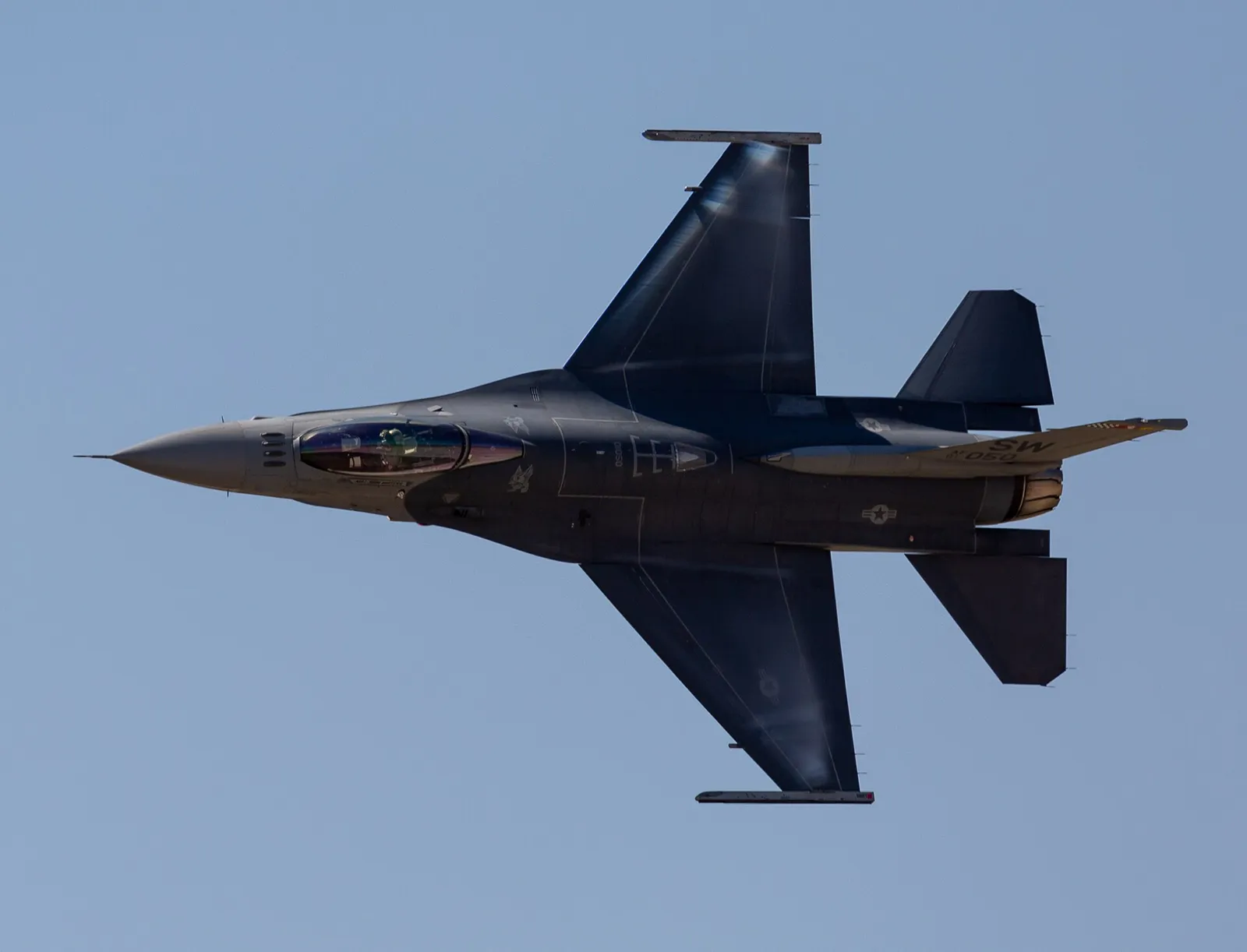
Lockheed Martin ran a demonstration fusing an AI agent with sensors in a live fighter intercept, aiming to speed up the decision loop.
At a Glance
- AI agent and sensors fused in a live intercept
- Aim: speed the pilot's decision loop
- Autonomously processing sensor data into cues
- Emphasis on human-machine teaming
What happened
Lockheed Martin announced a demonstration integrating an AI agent with aircraft sensors in a live fighter-intercept scenario. The system aims to process sensor data and offer crews rapid situation assessment and cues.
The demo reflects growing interest in embedding autonomous software agents into fighter mission systems. The goal is not to remove the human but to increase decision speed and accuracy.
System context
In modern air combat, pilots must assess many sensor streams in limited time. AI agents aim to process and prioritize that data load to deliver 'decision advantage.'
Manned-unmanned teaming is central to future air-combat concepts; loyal-wingman drones and autonomous mission systems are part of this vision.
Technical and operational significance
Running AI on real sensor data in a live intercept shows a move beyond the lab. The system's reliability and predictability are critical to operational acceptance.
Speeding the decision loop can be decisive in high-tempo air combat, though debate over autonomy levels and human oversight continues.
Why It Matters
AI-enabled mission systems will shape future air combat. Turkey likewise invests in human-machine teaming across KAAN and uncrewed platforms.
Decision advantage is becoming as important a combat factor as platform performance.
Frequently Asked Questions
What did the demo do?
It fused an AI agent with aircraft sensors in a live intercept scenario.
Is the goal to remove the human?
No; it is to strengthen human-machine teaming by increasing decision speed and accuracy.
Sources
- The Defense Post — Lockheed Fuses AI Agent and Sensors in Live Fighter Intercept Demo (5 August 2026)
- Lockheed Martin statements