





Palantir and Anduril Begin Producing the US Army’s AI-Enabled TITAN Ground Stations

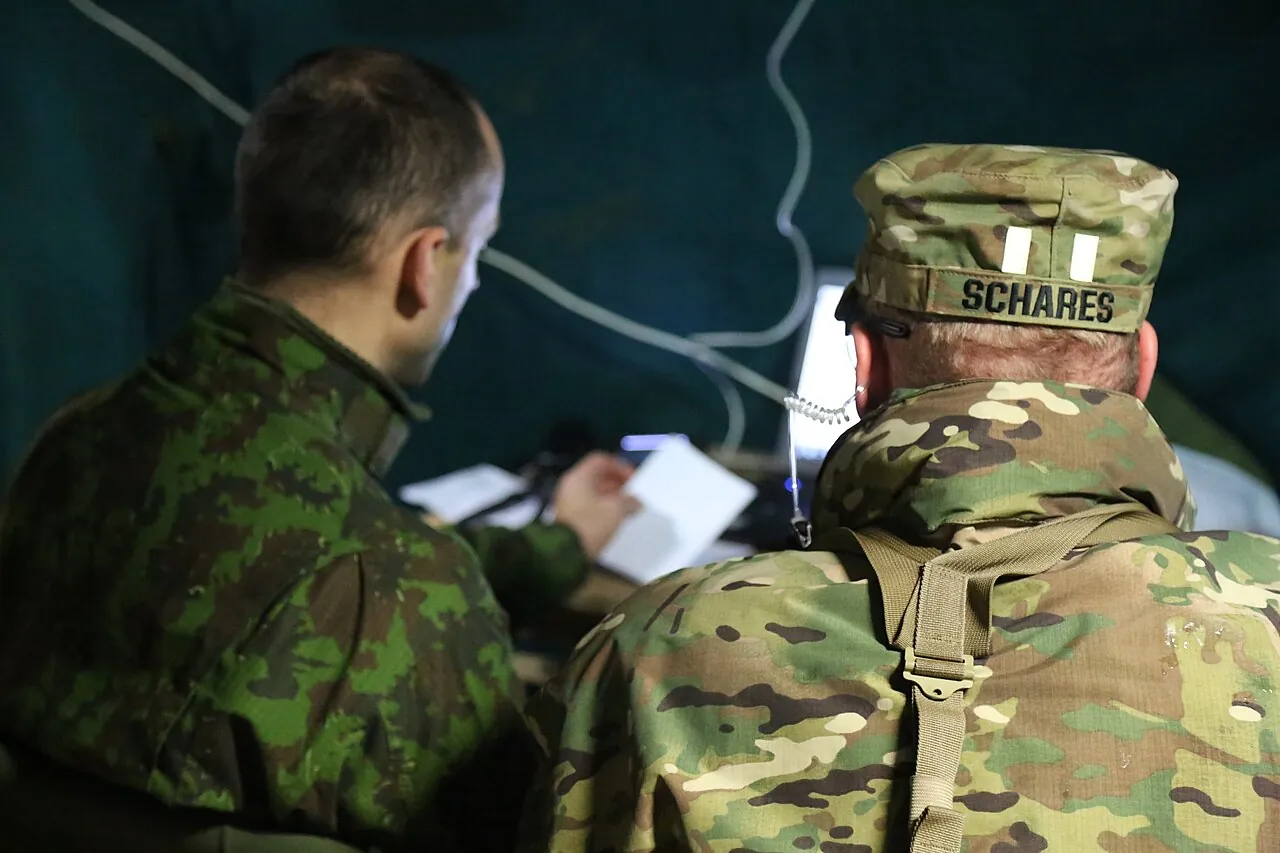
The U.S. Army’s artificial-intelligence targeting architecture is leaving the prototype phase. Palantir Technologies and Anduril Industries have received orders for the first production batch of TITAN — eight mobile ground stations that pull data from space, air and ground sensors and turn it into targets that artillery and missile units can shoot at.
What TITAN does
TITAN — Tactical Intelligence Targeting Access Node — is a crewed, vehicle-mounted ground station. Its job is easy to describe and hard to build: ingest raw feeds from satellites, drones, reconnaissance aircraft and ground sensors, process them with machine learning, and hand commanders a targeting picture they can act on immediately.
What decides modern engagements is often not firepower but the speed of the targeting loop. The interval between detecting something and putting rounds on it — the sensor-to-shooter chain — can run to tens of minutes using conventional staff processes. A mobile target is long gone by then. TITAN exists to compress that interval to minutes, ideally less.
The order
The batch covers four TITAN Advanced and four TITAN Basic configurations. The advanced variant reaches a broader sensor set including satellite links; the basic version is a lighter package intended for division level and below.
Palantir is prime contractor, supplying the software layer, overseeing manufacturing and managing technology integration. Anduril has served as lead hardware systems architect since 2021 and builds the ruggedised vehicle-mounted hardware at its Costa Mesa, California facility; its delivery order for this batch is valued at $65 million. L3Harris Technologies, Sierra Nevada Corporation, Strategic Technology Consulting and World Wide Technology contribute subsystems and software.
Akash Jain, president and chief technology officer of Palantir USG, pointed to how the system was shaped: “TITAN was shaped by the Soldiers who used it, in the conditions they used it in, against the standard they set.” Additional orders are anticipated in fiscal 2027.
Non-traditional primes
The identity of the contractors is as notable as the hardware. Palantir began as a data analytics firm; Anduril was founded in 2017, outside the established defence industrial base entirely. On TITAN, both now sit at the prime position on a major Army intelligence programme.
That reflects a broader pattern in American procurement. On software-heavy systems, the Pentagon has increasingly favoured companies that iterate quickly over incumbents working on decade-long development cycles. TITAN’s path — limited prototype fielding, user feedback, redesign, then production — is the method rather than the exception.
How the programme got here
Two teams received parallel prototype contracts in 2022. The Palantir-led team was selected in 2024, and prototype systems went to units in small numbers, where they were exercised in training and in real operating conditions. The feedback clustered around hardware durability, interface design and bandwidth management rather than the analytics themselves.
The advantage of this approach is that it reduces the risk of finishing a ten-year programme only to discover the requirement has moved. The disadvantage is that units receive immature equipment and carry the training burden that comes with it.
The question that stays open
Where the human sits in an AI-assisted kill chain remains the central debate around systems like TITAN. The Army describes it as generating target nominations, with the firing decision resting with a commander. As the data flow accelerates, how meaningful that human review remains in practice is a question military lawyers and commanders are still working through. Which corps and divisions receive the first eight systems has not been announced.
Sources
- Palantir Technologies official statement, September 2026
- Defence Industry Europe, 3 September 2026
- U.S. Army programme announcements